


The Future Current: Top Transformative Trends in the Energy And Utility Analytics Market
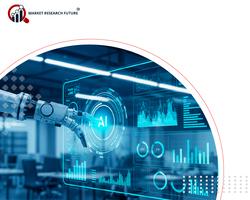
The energy and utility analytics landscape is evolving rapidly, moving beyond basic historical reporting to embrace more sophisticated, predictive, and automated technologies. A number of key Energy And Utility Analytics Market Trends are defining the future of the smart grid and the utility of tomorrow. The most dominant and impactful of these trends is the pervasive integration of Artificial Intelligence (AI) and Machine Learning (ML) into every facet of utility operations. While early analytics focused on dashboards and visualizations, AI is now enabling a new level of proactive intelligence. For example, in asset management, AI-powered predictive maintenance models can now analyze not just sensor data but also visual data from drone inspections, automatically identifying corrosion or defects on power lines with superhuman accuracy. In network operations, deep learning models are being used to create highly accurate load and renewable generation forecasts that can account for complex, non-linear variables. This trend is moving the industry from data analysis to automated decision support, where the system not only identifies a problem but also recommends the optimal solution, fundamentally changing the role of the human operator.
Another major transformative trend is the development and adoption of the "digital twin" concept for the electrical grid. A digital twin is a living, virtual model of the physical grid infrastructure, continuously updated with real-time data from IoT sensors, smart meters, and other operational systems. This creates a high-fidelity, dynamic replica of the entire network. The trend is to use this digital twin as a risk-free environment for simulation and "what-if" analysis. For example, before a major storm, operators can simulate the storm's projected path and intensity against the digital twin to predict which assets are most likely to fail and preposition crews and equipment accordingly. They can simulate the impact of adding a new large industrial load or a new solar farm to the grid to ensure stability before any physical construction begins. They can also use it for training new grid operators, allowing them to practice responding to complex outage scenarios in a safe, virtual environment. The digital twin trend is a paradigm shift, moving grid management from a reactive to a highly predictive and resilient model.
The rise of the "prosumer" and the proliferation of Distributed Energy Resources (DERs) are driving a trend towards more complex, decentralized grid analytics. The traditional grid was a one-way street, with power flowing from large central power plants to passive consumers. The modern grid is a two-way, transactional network, with millions of "prosumers" who both consume energy and generate it with their own rooftop solar panels, store it in home batteries, and charge their electric vehicles (EVs). This creates a massive challenge and opportunity for utilities. The trend is to develop sophisticated analytics platforms that can manage this decentralized ecosystem. This includes forecasting DER generation, analyzing the impact of EV charging on local distribution transformers, and orchestrating Vehicle-to-Grid (V2G) services where EVs can actually sell power back to the grid during peak demand. This requires a new class of analytics that can operate at a much more granular and localized level, managing energy flows on a neighborhood-by-neighborhood or even house-by-house basis.
Finally, there is a strong and accelerating trend towards cloud-native analytics platforms. Historically, utility analytics systems were often large, monolithic, on-premise deployments that were expensive to maintain and difficult to scale. The current trend is to leverage the power and flexibility of the public cloud. By migrating their data lakes and analytics workloads to platforms like AWS, Microsoft Azure, and Google Cloud, utilities can take advantage of the cloud's virtually limitless scalability to handle the massive datasets generated by the smart grid. Cloud platforms also provide easy access to a vast ecosystem of cutting-edge AI and machine learning services, allowing utilities to experiment and deploy advanced models without having to build the underlying infrastructure themselves. This cloud-native trend is not only reducing the total cost of ownership but is also dramatically accelerating the pace of innovation, allowing utilities to deploy new analytical capabilities in a matter of weeks or months rather than years, a critical factor in a rapidly changing energy landscape.
Top Performing Market Insight Reports:

 Arabic
 French
 Spanish
 Portuguese
 Deutsch
 Turkish
 Dutch
Dutch
 Italiano
 Russian
 Romaian
 Portuguese (Brazil)
 Greek
Greek