


Custom Fish and Chip Paper Wholesale for Food Service Operations
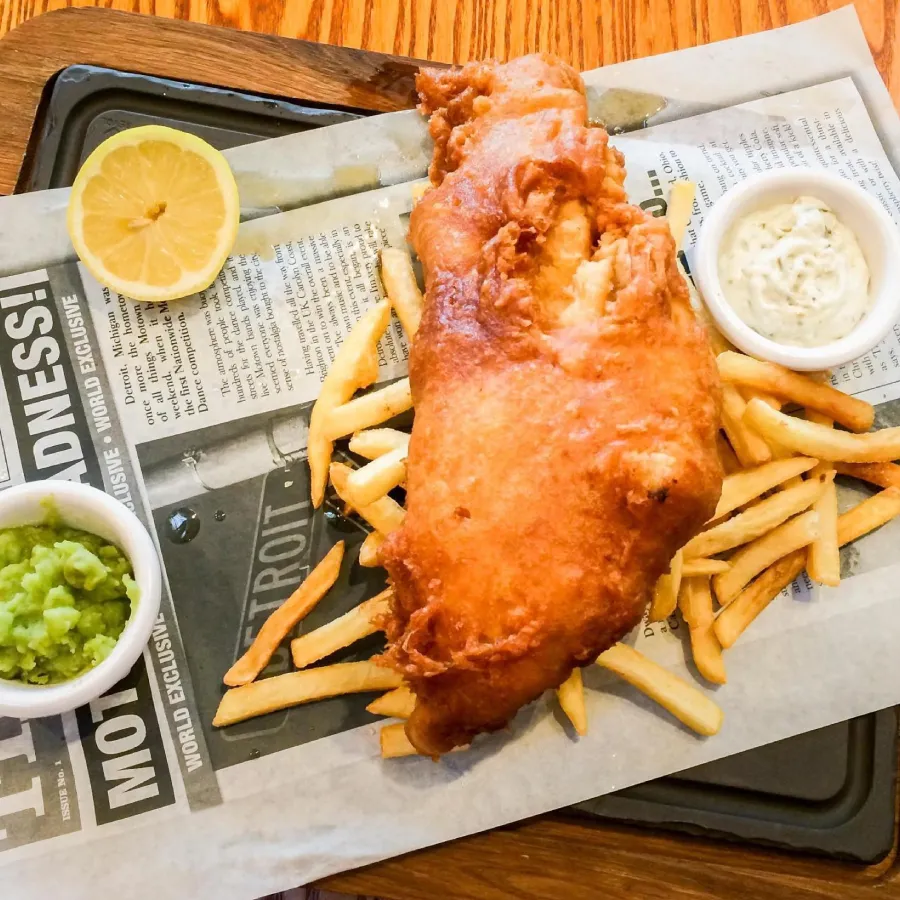
In busy food service operations, especially quick-service restaurants and takeaway-focused kitchens in the United States, packaging consistency often becomes a practical challenge rather than a branding discussion. Fish and chips, fried seafood baskets, and similar menu items require paper that can handle heat, grease, and moisture while keeping service efficient during peak hours. When packaging fails at the counter or during delivery, it affects speed, cleanliness, and the customer’s overall dining experience.
For procurement managers and business owners, choosing the right wholesale supplier for custom fish and chip paper is less about appearance and more about functional reliability, cost control, and operational fit.
Why Fish and Chip Paper Selection Matters in Daily Operations
Fish and chip paper is used in fast-paced environments where food is wrapped, served, and sometimes packed for delivery within minutes. Poor-quality paper can lead to oil seepage, structural breakdown, or inconsistent wrapping performance. These issues slow down staff and create unnecessary waste.
A dependable supply source for custom fish and chip paper wholesale helps standardize service across multiple locations. It also supports bulk ordering strategies that reduce interruptions in inventory flow, especially for chains or catering companies handling large seasonal demand.
Key Buying Factors Procurement Teams Should Compare
When evaluating suppliers, decision-makers often look beyond price per unit. Several practical considerations influence long-term value:
1. Material quality and grease resistance
Food-grade paper designed for fried foods should maintain integrity when exposed to oils and steam. Inconsistent coating quality can lead to leakage issues, which directly impacts packaging performance during service.
2. Minimum order quantities (MOQ)
Wholesale buyers should assess whether MOQs align with their storage capacity and consumption rate. Smaller operations may prefer flexible batch sizes, while larger chains may prioritize cost efficiency at higher volumes.
3. Lead times and production scheduling
In food service, timing matters. Delayed shipments can interrupt promotions, seasonal menus, or high-traffic periods. Reliable lead times help procurement teams plan inventory without overstocking.
4. Custom printing options
Many food businesses integrate branded packaging as part of their presentation strategy. Custom printing allows logos, patterns, or limited campaign designs to appear directly on wrapping paper, reinforcing consistency across packaging materials.
Role of Wax-Based Food Packaging Materials
Alongside fish and chip paper, many operations also rely on coated food wrapping materials for broader menu coverage. wax paper is commonly used across delis, bakeries, and quick-service restaurants due to its moisture resistance and food-safe coating properties. It works well for wrapping sandwiches, lining baskets, or separating food items during storage and transport.
For procurement managers, evaluating wax-based materials alongside fish and chip paper helps ensure compatibility across the entire packaging system, reducing the need for multiple unrelated suppliers.
Packaging Consistency Across Multiple Formats
Food service businesses often operate with more than one packaging format. While fish and chip paper is used for wrapping and serving, other packaging types support different operational needs:
-
Mailer boxes for delivery-based meal kits or bundled orders
-
Rigid boxes for premium takeaway items or gift-style food packaging
-
Custom sleeves for wraps, burgers, and bakery items
-
Tuck-end boxes for structured packaging in fast food or bakery environments
Aligning fish and chip paper with these formats ensures smoother kitchen workflows and a more organized packaging system overall.
Supplier Reliability and Operational Risk
For procurement teams, supplier reliability is often as important as product quality. A dependable supplier should maintain consistent print quality across batches, meet agreed timelines, and provide predictable stock availability during peak demand periods.
Inconsistent supply chains can lead to emergency sourcing, which increases costs and introduces variability in packaging appearance and performance. Evaluating supplier history, production capacity, and communication responsiveness helps reduce these risks.
Making a Practical Purchasing Decision
When comparing wholesale suppliers for fish and chip paper, decision-makers typically balance three priorities: operational reliability, cost efficiency, and customization capability. Businesses serving high volumes benefit most from suppliers who can maintain steady production schedules while accommodating branding needs without disrupting supply flow.
It also helps to request sample runs before committing to large orders. This allows teams to evaluate grease resistance, print clarity, and handling performance under real kitchen conditions.
Final Consideration
For food service operators aiming to standardize packaging across busy service environments, choosing the right fish and chip paper supplier plays a direct role in day-to-day efficiency. Careful evaluation of material quality,wax paper MOQ structure, customization options, and lead times helps ensure smoother operations and fewer interruptions.
Businesses exploring sourcing options can begin by reviewing specifications and requesting a tailored quotation for custom fish and chip paper wholesale, ensuring the solution fits both operational demand and long-term packaging requirements.

 Arabic
 French
 Spanish
 Portuguese
 Deutsch
 Turkish
 Dutch
Dutch
 Italiano
 Russian
 Romaian
 Portuguese (Brazil)
 Greek
Greek