


HIV Blood Test: A Step-by-Step Guide to the Testing Process
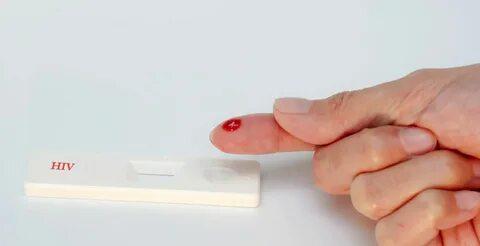
The testing process for HIV/AIDS is simple in practice but highly structured in medical science. An HIV Blood Test in Dubai follows a clear step-by-step procedure designed to ensure accuracy, privacy, and timely diagnosis.
Many people feel uncertain before testing, not because the procedure is complicated, but because they are unfamiliar with what actually happens during each stage. Understanding the process removes fear, reduces confusion, and encourages timely screening.
Initial Consultation and Risk Assessment:
The HIV testing process usually begins with a consultation. A healthcare provider asks basic questions to understand your medical history, lifestyle, and potential exposure risks related to HIV/AIDS.
This step helps determine which type of HIV blood test is most appropriate. Factors such as recent exposure, symptoms, or high-risk behavior guide the selection of antibody tests, fourth-generation tests, or nucleic acid testing.
This assessment is important because it ensures the most accurate and timely detection strategy is used.
Pre-Test Counseling and Information Sharing:
Before the test, many healthcare centers offer counseling. This step is designed to explain the purpose of testing, the meaning of possible results, and the importance of the window period.
Counseling helps individuals understand how HIV testing works and why timing matters for detecting HIV/AIDS.
It also provides emotional support and answers any questions, ensuring that the individual feels informed and comfortable before proceeding.
Blood Sample Collection Procedure:
The actual HIV blood test begins with sample collection. A healthcare professional draws a small amount of blood from a vein, usually in the arm.
The process is quick, typically taking only a few minutes, and is similar to other routine laboratory tests. Sterile equipment is used to ensure safety and prevent contamination.
This blood sample contains the biological markers needed to detect infection with HIV/AIDS, such as antibodies, antigens, or viral RNA depending on the test type.
Laboratory Analysis and Testing Methods:
Once the sample is collected, it is sent to a laboratory for detailed analysis. This is where the scientific detection process begins.
Different methods may be used depending on the type of test:
- Fourth-generation immunoassays detect antibodies and p24 antigen
- Antibody-only tests identify immune response
- Nucleic acid tests detect viral RNA directly
Each method plays a role in identifying HIV/AIDS at different stages of infection.
Automated laboratory systems ensure accuracy, reduce human error, and provide consistent results.
Understanding the Window Period During Testing:
One important concept during testing is the window period. This refers to the time between exposure and when the infection becomes detectable in the blood.
During this period, a person may be infected with HIV/AIDS but still test negative depending on the test used.
Different tests detect infection at different times:
- PCR tests: earliest detection
- Fourth-generation tests: 2 to 6 weeks
- Antibody tests: up to 12 weeks
This step is crucial for interpreting results correctly.
Receiving Preliminary Test Results:
After laboratory analysis, preliminary results are generated. These results are usually categorized as non-reactive or reactive.
A non-reactive result generally means no infection is detected at the time of testing. A reactive result indicates that further confirmatory testing is required.
At this stage, a reactive result does not confirm infection with HIV/AIDS but signals the need for additional analysis.
Confirmatory Testing for Accurate Diagnosis:
If the initial test is reactive, confirmatory testing is performed. This step uses more specific methods to verify whether infection is truly present.
Confirmatory tests may include differentiation immunoassays or nucleic acid testing to eliminate false positives.
This ensures that any final diagnosis of HIV/AIDS is scientifically accurate and medically validated.
Post-Test Counseling and Result Explanation:
After results are finalized, post-test counseling is provided. This step helps individuals understand their results and the next steps in care.
If the result is negative, guidance may be given on prevention and when to retest if exposure occurred during the window period. If positive, medical support and treatment options are discussed.
This counseling is essential for emotional support and proper understanding of HIV/AIDS diagnosis.
Treatment Planning for Positive Results:
If infection is confirmed, treatment begins with antiretroviral therapy (ART). This therapy helps reduce viral load, strengthen the immune system, and prevent disease progression.
Early treatment improves long-term health outcomes and reduces transmission risk significantly.
With proper care, individuals living with HIV/AIDS can maintain a healthy and active life.
Follow-Up Testing and Monitoring:
Even after diagnosis or a negative result, follow-up testing may be recommended depending on risk factors and timing of exposure.
Regular monitoring helps ensure that any changes in health status are detected early. For individuals receiving treatment, follow-up tests track viral load and treatment effectiveness.
This ongoing process is an important part of managing HIV/AIDS over time.
Confidentiality Throughout the Entire Process:
Confidentiality is maintained at every stage of HIV testing. From consultation to final results, all information is protected under strict medical privacy standards.
Only authorized healthcare providers have access to test results, ensuring that individuals feel safe and secure throughout the process.
This privacy encourages more people to undergo testing for HIV/AIDS without fear of stigma.
Importance of Understanding Each Step:
Understanding each step of the HIV testing process helps reduce anxiety and encourages timely testing. When individuals know what to expect, they are more likely to seek early screening and follow through with medical guidance.
Awareness of the process also improves interpretation of results and helps individuals take appropriate action based on their health status.
This structured approach strengthens early detection efforts for HIV/AIDS.
Conclusion:
The HIV blood Lab tests process is a well-organized sequence designed to ensure accuracy, privacy, and timely diagnosis. From consultation to follow-up care, each step plays an important role in detecting and managing HIV/AIDS.
By understanding this step-by-step journey, individuals can approach testing with confidence, reduce fear, and make informed health decisions.
Ultimately, knowing the process empowers people to take control of their health and supports early detection, effective treatment, and better long-term outcomes.

 Arabic
 French
 Spanish
 Portuguese
 Deutsch
 Turkish
 Dutch
Dutch
 Italiano
 Russian
 Romaian
 Portuguese (Brazil)
 Greek
Greek