


Hair Transplant Healing Process Explained
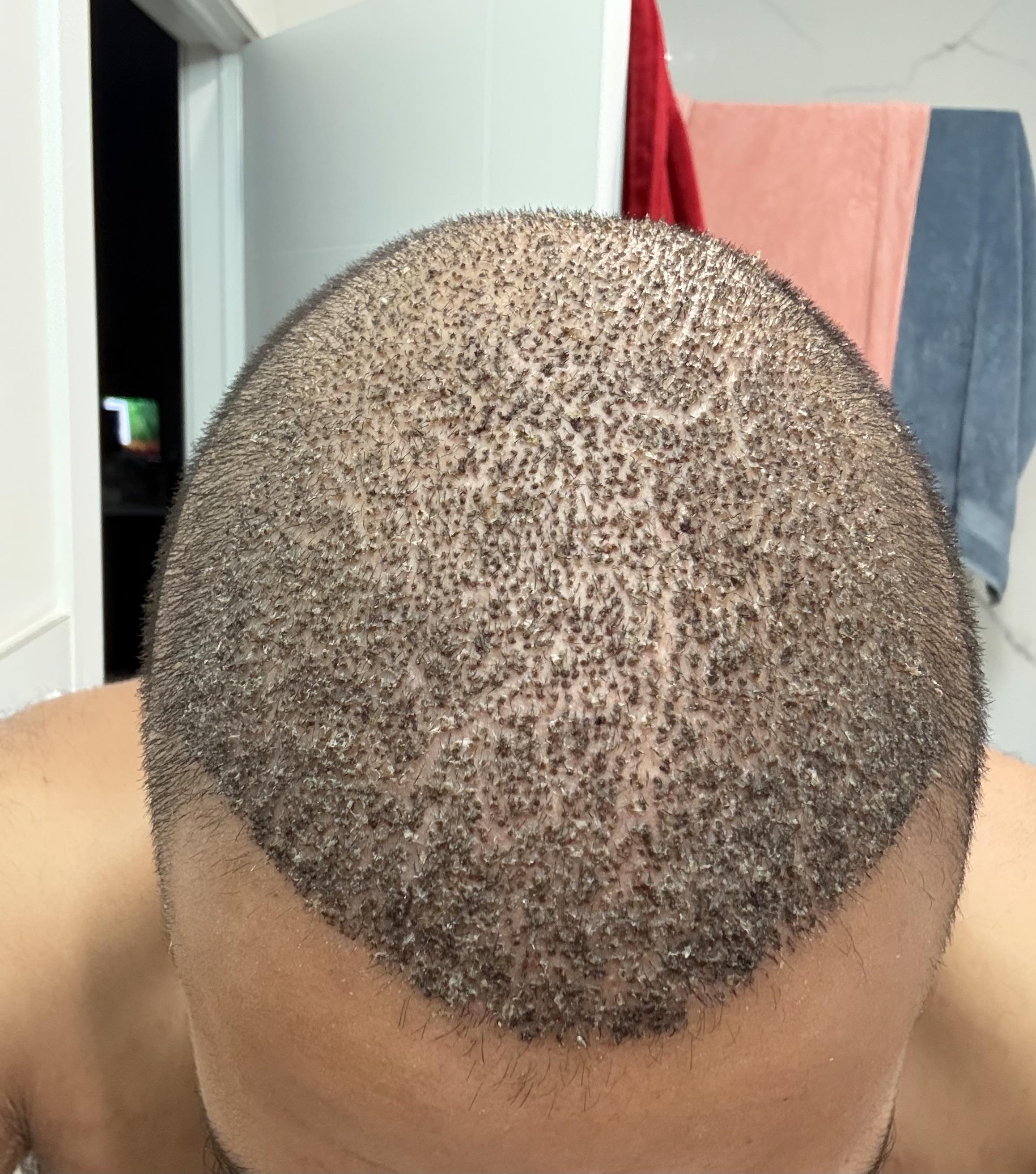
The hair transplant in Riyadh recovery follows a predictable biological cycle where the scalp heals first, then transplanted follicles enter a resting phase, and finally new hair growth begins. Whether you undergo FUE, DHI, or FUT, the healing stages are similar, but recovery speed may vary slightly.
1. First 24–72 Hours: Initial Healing Begins
Right after the procedure, the body starts repairing the treated areas.
Common signs:
- Mild swelling around forehead or eyes
- Redness in donor and recipient areas
- Small scabs forming around implanted grafts
- Tightness or mild discomfort
Initial healing: formation of protective scabs and early tissue recovery around transplanted follicles\text{Initial healing: formation of protective scabs and early tissue recovery around transplanted follicles}Initial healing: formation of protective scabs and early tissue recovery around transplanted follicles
During this phase, grafts are very delicate and must not be touched.
2. Week 1: Scab Formation and Surface Healing
- Scabs become more visible and dry out
- Donor area begins to heal faster
- Itching may start (a normal sign of recovery)
- Swelling gradually reduces
Most clinics advise gentle washing techniques during this stage to keep the scalp clean without disturbing grafts.
3. Week 2–3: Shedding Phase Begins
- Transplanted hair starts to fall out
- This is known as “shock loss”
- Follicles remain safely under the skin
Shock loss: temporary shedding of transplanted hair while follicles remain intact in the scalp\text{Shock loss: temporary shedding of transplanted hair while follicles remain intact in the scalp}Shock loss: temporary shedding of transplanted hair while follicles remain intact in the scalp
This phase is completely normal and part of the natural healing cycle.
4. Month 1–2: Resting (Dormant) Phase
- Scalp appears fully healed externally
- No visible new growth yet
- Follicles enter a resting phase
- Donor area completely recovers
At this stage, patience is important as visible changes are minimal.
5. Month 3–4: Early Regrowth Phase
- Fine, soft new hairs begin to grow
- Growth may be uneven at first
- Hair appears thin and light in color
This is the first sign that follicles are active again.
6. Month 5–6: Strengthening Phase
- Hair becomes thicker and darker
- Coverage improves noticeably
- Hairline and density start to look natural
7. Month 9–12: Full Maturation Phase
- Final density achieved
- Hair grows normally like natural hair
- Can be cut, styled, and washed normally
At this stage, results are considered permanent and fully developed.
Factors That Affect Healing Speed
Healing and growth depend on:
- Type of procedure (FUE, DHI, FUT)
- Surgeon skill and precision
- Patient’s overall health
- Aftercare compliance
- Lifestyle habits (smoking, stress, nutrition)
Do’s During Healing
- Follow washing instructions carefully
- Use prescribed medications
- Sleep with head elevated in early days
- Protect scalp from sun and dust
- Attend follow-up appointments
Don’ts During Healing
- Do not scratch or rub scalp
- Avoid heavy exercise for 10–14 days
- Avoid direct sun exposure early on
- Do not use harsh shampoos or chemicals
Final Thoughts
The hair transplant healing process is gradual but predictable. While the scalp heals within days and weeks, true hair growth takes several months, with final results appearing after 9–12 months. Proper aftercare is the key to achieving natural, dense, and long-lasting results.
If you want, I can also create:

 Arabic
 French
 Spanish
 Portuguese
 Deutsch
 Turkish
 Dutch
Dutch
 Italiano
 Russian
 Romaian
 Portuguese (Brazil)
 Greek
Greek