


Magnesium Deficiency: Symptoms and Treatment
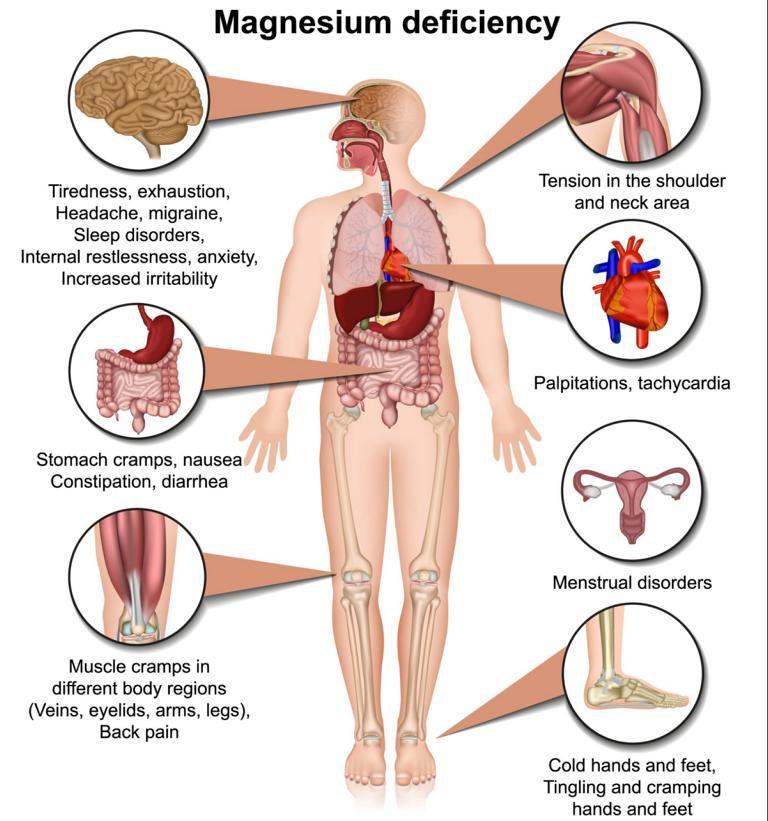
Magnesium is one of the most important minerals in the human body, yet it is often overlooked. It supports more than 300 biochemical reactions, including muscle function, nerve signaling, heart rhythm, energy production, and bone health. Despite its importance, magnesium deficiency is becoming increasingly common due to poor dietary habits, digestive disorders, and certain medical conditions.
Recognizing the symptoms early and seeking appropriate treatment can prevent serious health complications. This guide explains the causes, symptoms, diagnosis, treatment, and prevention of magnesium deficiency.
What Is Magnesium Deficiency?
Magnesium deficiency, medically known as hypomagnesemia, occurs when the body's magnesium levels fall below the normal range. Since only about 1% of magnesium is found in the bloodstream, a deficiency may exist even when blood test results appear normal.
A healthy adult requires approximately:
-
Men: 400–420 mg per day
-
Women: 310–320 mg per day
-
Pregnant women: 350–360 mg per day
Maintaining adequate magnesium levels is essential for overall health and well-being.
Common Causes of Magnesium Deficiency
Several factors can contribute to low magnesium levels, including:
Poor Diet
Highly processed foods often lack magnesium. A diet low in leafy greens, nuts, seeds, legumes, and whole grains can increase the risk of deficiency.
Digestive Disorders
Conditions such as Crohn's disease, celiac disease, chronic diarrhea, and inflammatory bowel disease reduce magnesium absorption.
Type 2 Diabetes
People with uncontrolled diabetes may lose excessive magnesium through urine.
Certain Medications
Long-term use of diuretics, proton pump inhibitors (PPIs), antibiotics, and chemotherapy drugs can lower magnesium levels.
Alcohol Consumption
Excessive alcohol intake interferes with magnesium absorption while increasing its excretion from the body.
Aging
Older adults naturally absorb less magnesium and are more likely to take medications that affect magnesium levels.
Symptoms of Magnesium Deficiency
Symptoms may develop gradually and become more severe if left untreated.
Muscle Cramps and Spasms
Frequent muscle cramps, twitching, tremors, or spasms are among the earliest signs of magnesium deficiency.
Fatigue and Weakness
Low magnesium reduces cellular energy production, resulting in constant tiredness and muscle weakness.
Numbness and Tingling
People may experience pins-and-needles sensations in the hands, feet, or face due to impaired nerve function.
Irregular Heartbeat
Magnesium helps regulate heart rhythm. Severe deficiency may cause palpitations or abnormal heart rhythms that require medical attention.
Mood Changes
Low magnesium has been associated with anxiety, irritability, stress, depression, and difficulty concentrating.
Difficulty Sleeping
Poor magnesium levels can interfere with relaxation and melatonin regulation, leading to insomnia or disturbed sleep.
High Blood Pressure
Magnesium supports healthy blood vessel function. Deficiency may contribute to elevated blood pressure over time.
Bone Problems
Since magnesium works closely with calcium and vitamin D, prolonged deficiency may weaken bones and increase the risk of osteoporosis.
Risk Factors
Some individuals are more likely to develop magnesium deficiency, including:
-
Older adults
-
Pregnant women
-
Athletes with excessive sweating
-
People with diabetes
-
Individuals with digestive disorders
-
Those consuming excessive alcohol
-
Patients taking long-term medications affecting magnesium absorption
Foods Rich in Magnesium
One of the best ways to improve magnesium levels is through diet.
Excellent dietary sources include:
-
Spinach
-
Kale
-
Almonds
-
Cashews
-
Pumpkin seeds
-
Chia seeds
-
Peanuts
-
Black beans
-
Lentils
-
Brown rice
-
Oats
-
Avocados
-
Bananas
-
Dark chocolate
-
Tofu
-
Yogurt
Including a variety of these foods in daily meals can help maintain healthy magnesium levels naturally.
How Magnesium Deficiency Is Diagnosed
Healthcare providers may recommend:
-
Blood magnesium test
-
Complete metabolic panel
-
Urine magnesium analysis
-
Kidney function tests
-
Electrocardiogram (ECG) if heart rhythm abnormalities are suspected
Diagnosis is based on symptoms, medical history, and laboratory findings.
Treatment of Magnesium Deficiency
Treatment depends on the severity of the deficiency.
Magnesium-Rich Diet
Mild deficiency often improves with dietary modifications that include magnesium-rich foods.
Oral Magnesium Supplements
Doctors may recommend magnesium supplements such as:
-
Magnesium glycinate
-
Magnesium citrate
-
Magnesium oxide
-
Magnesium chloride
The appropriate dosage depends on age, overall health, and severity of deficiency.
Intravenous Magnesium
Severe hypomagnesemia causing seizures, abnormal heart rhythms, or other serious complications may require intravenous magnesium in a hospital.
Addressing Underlying Conditions
Treating digestive disorders, diabetes, or adjusting medications can prevent recurring magnesium deficiency.
Can Magnesium Deficiency Be Prevented?
Yes. Prevention includes:
-
Eating a balanced diet rich in vegetables, nuts, legumes, and whole grains
-
Staying hydrated
-
Limiting alcohol consumption
-
Managing chronic health conditions
-
Taking supplements only under medical supervision
-
Scheduling regular health checkups if at higher risk
When Should You See a Doctor?
Seek medical advice if you experience:
-
Persistent muscle cramps
-
Frequent fatigue
-
Heart palpitations
-
Numbness or tingling
-
Seizures
-
Severe weakness
-
Difficulty breathing
Early diagnosis allows timely treatment and reduces the risk of complications.
The Role of Pharmaceutical Innovation
Advances in pharmaceutical research have improved the diagnosis and management of mineral deficiencies. Healthcare providers increasingly rely on high-quality formulations manufactured by trusted pharmaceutical companies that follow strict quality standards. Whether patients seek products from the best pharmaceutical company in Pithampur, a reputed pharmaceutical company in Kolkata, the top pharmaceutical companies Chennai, or a

 Arabic
 French
 Spanish
 Portuguese
 Deutsch
 Turkish
 Dutch
Dutch
 Italiano
 Russian
 Romaian
 Portuguese (Brazil)
 Greek
Greek