


Why Is the Liquid Biopsy Market Expected to Reach US$ 5.49 Billion by 2034?
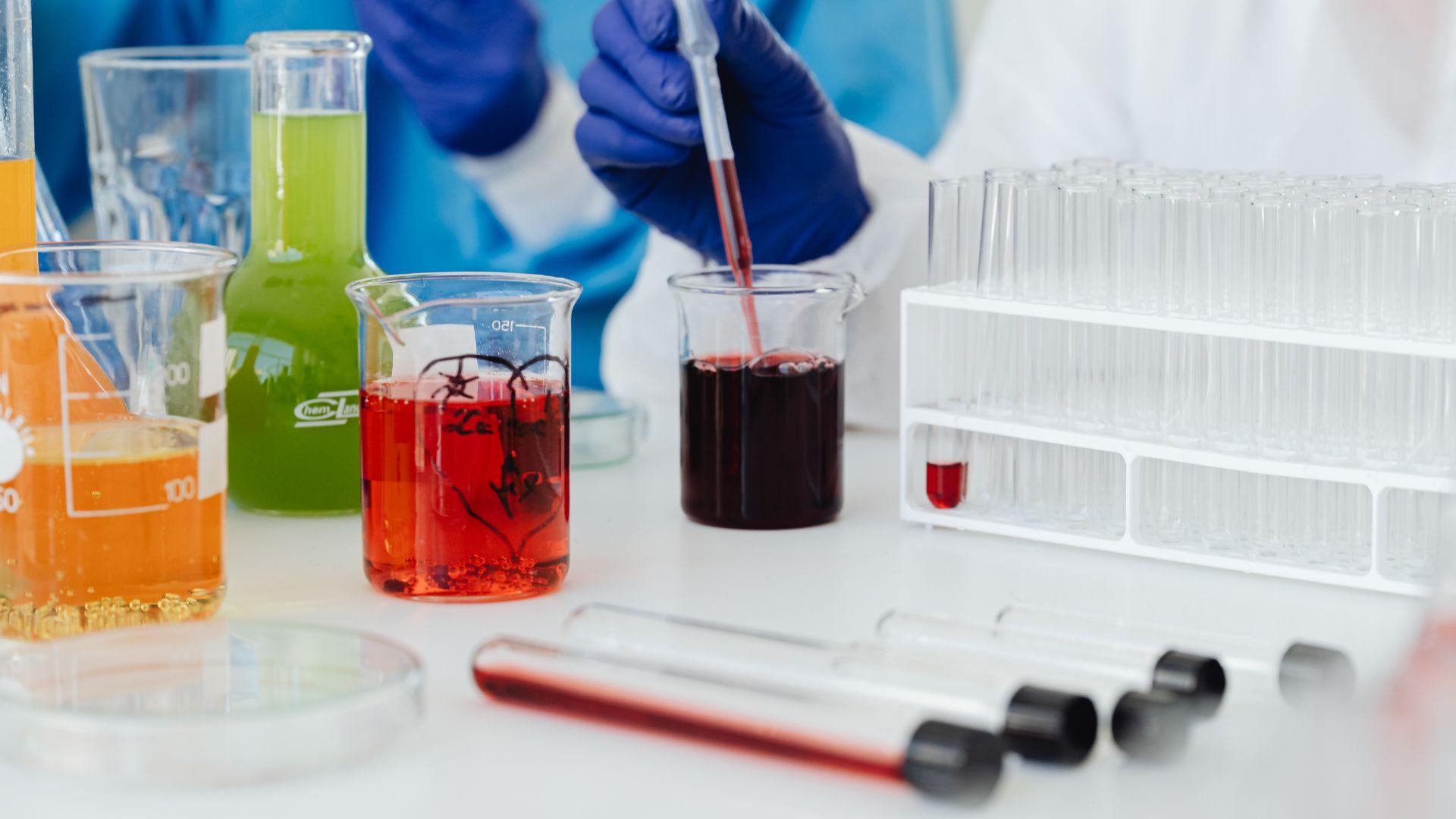
Liquid Biopsy Market Gains Momentum as Non-Invasive Cancer Diagnostics Transform Oncology
The global liquid biopsy market is witnessing strong growth as healthcare systems increasingly shift toward non-invasive, accurate, and real-time cancer diagnostic solutions. According to Renub Research, the market is expected to grow from US$ 2.83 billion in 2025 to US$ 5.49 billion by 2034, registering a CAGR of 7.63% during 2026–2034. Rising cancer incidence, technological advancements in genomic sequencing, and growing adoption of precision medicine are collectively accelerating the demand for liquid biopsy solutions worldwide.
Liquid biopsy has emerged as a revolutionary diagnostic method that enables detection of cancer biomarkers such as circulating tumor DNA (ctDNA), circulating tumor cells (CTCs), and exosomes through a simple blood sample. Unlike traditional tissue biopsies, it is minimally invasive, repeatable, and highly effective for early detection, monitoring treatment response, and identifying recurrence.
Renub Research Projects Strong Market Expansion Through 2034
According to Renub Research, the liquid biopsy market is expected to witness sustained expansion as healthcare providers increasingly adopt advanced molecular diagnostic tools for cancer management.
The growing integration of next-generation sequencing (NGS), digital PCR, and bioinformatics is improving diagnostic accuracy and expanding clinical applications. At the same time, pharmaceutical companies are leveraging liquid biopsy technologies for drug development, patient stratification, and clinical trials, further strengthening market growth.
Increasing investment in precision oncology and personalized medicine continues to position liquid biopsy as a core component of modern cancer care.
Rising Cancer Incidence Drives Demand for Early Diagnosis
One of the most significant drivers of the liquid biopsy market is the rising global burden of cancer.
Cancer remains one of the leading causes of death worldwide, creating urgent demand for early, accurate, and less invasive diagnostic methods. Liquid biopsy enables detection of genetic mutations and tumor markers even before symptoms appear, significantly improving treatment outcomes and survival rates.
The ability to perform repeated testing without invasive procedures makes liquid biopsy highly suitable for continuous disease monitoring and therapy adjustment.
With millions of new cancer cases reported annually, the need for early detection technologies is expected to continue driving market expansion.
Advancements in Genomic and Molecular Technologies
Rapid advancements in genomic sequencing and molecular diagnostics are transforming the liquid biopsy landscape.
Technologies such as next-generation sequencing (NGS), digital PCR, and advanced bioinformatics tools allow precise detection of low-frequency mutations and tumor heterogeneity.
These innovations are improving the sensitivity and accuracy of cancer detection, enabling clinicians to make more informed treatment decisions.
Increasing R&D investments by biotechnology companies and diagnostic laboratories are further accelerating technological progress in this field.
Growing Adoption of Precision and Personalized Medicine
The shift toward precision medicine is significantly boosting the demand for liquid biopsy solutions.
Oncologists are increasingly using liquid biopsy to identify genetic mutations and select targeted therapies tailored to individual patients. This approach improves treatment effectiveness while minimizing unnecessary side effects.
Liquid biopsy is also widely used to monitor treatment response and detect early signs of drug resistance, making it an essential tool in personalized cancer care.
Pharmaceutical companies are integrating liquid biopsy into clinical trials to better understand patient responses and optimize drug development strategies.
Non-Invasive Nature Enhances Clinical Adoption
Unlike traditional tissue biopsies, liquid biopsy offers a non-invasive and more patient-friendly alternative.
It eliminates the need for surgical procedures, reducing patient discomfort, risk of complications, and recovery time.
The ease of repeat testing makes it particularly valuable for long-term monitoring of cancer progression and recurrence.
This convenience is a major factor driving adoption among healthcare providers and patients alike.
High Growth of Kits and Reagents Segment
The kits and reagents segment plays a crucial role in the liquid biopsy ecosystem.
These components are essential for isolating and analyzing biomarkers such as ctDNA and CTCs from blood samples.
Growing demand for standardized, ready-to-use kits is improving testing efficiency and accuracy across diagnostic laboratories and research institutions.
As liquid biopsy applications expand, the demand for consumables is expected to grow significantly.
Cancer Therapeutic Applications Dominate Usage
Cancer therapy remains the primary application of liquid biopsy technology.
It is widely used to identify actionable genetic mutations, guide targeted therapy selection, and monitor treatment effectiveness in real time.
Liquid biopsy also helps detect resistance mutations early, enabling timely adjustments in treatment strategies.
This real-time insight into tumor evolution is reshaping oncology practices globally.
Circulating Tumor DNA and CTCs Drive Innovation
Circulating tumor DNA (ctDNA) and circulating tumor cells (CTCs) are key biomarkers used in liquid biopsy.
ctDNA enables detection of genetic mutations and tumor evolution, while CTCs provide insights into metastasis and disease progression.
Continuous advancements in detection technologies are improving the clinical utility of these biomarkers, expanding their use in cancer diagnosis and monitoring.
High Cost and Regulatory Barriers Challenge Growth
Despite strong growth potential, the liquid biopsy market faces several challenges.
High testing costs and limited reimbursement policies restrict adoption, particularly in developing countries.
Additionally, strict regulatory requirements and the need for extensive clinical validation slow down product approvals and commercialization.
The complexity of ensuring accuracy, reliability, and clinical utility continues to pose challenges for market participants.
Diagnostic Laboratories Lead Market Adoption
Diagnostic laboratories represent one of the largest end-user segments in the liquid biopsy market.
These laboratories are investing heavily in advanced sequencing technologies, automation systems, and bioinformatics platforms to deliver accurate and scalable testing services.
Their centralized infrastructure allows cost-effective processing and wider accessibility of liquid biopsy tests.
Collaborations between hospitals and diagnostic labs are further expanding market reach.
Hospitals and Academic Institutes Support Growth
Hospitals play a vital role in adopting liquid biopsy for cancer diagnosis, treatment monitoring, and patient management.
Academic institutes contribute significantly through research and development activities, focusing on new biomarkers, clinical validation, and technological advancements.
These institutions form the backbone of innovation in the liquid biopsy ecosystem.
Regional Insights: Strong Global Expansion
The United States remains the most advanced market for liquid biopsy due to its strong healthcare infrastructure, high cancer prevalence, and early adoption of precision oncology technologies.
Germany shows strong growth supported by robust diagnostic systems and increasing focus on personalized medicine.
India is emerging as a high-growth market driven by rising cancer cases, expanding healthcare infrastructure, and increasing awareness of non-invasive diagnostics.
Saudi Arabia is also witnessing steady growth supported by healthcare modernization initiatives and rising investments in cancer care technologies.
Competitive Landscape and Industry Innovation
The liquid biopsy market is highly competitive, with major players investing in research, product development, and strategic partnerships.
Companies are focusing on improving diagnostic accuracy, expanding clinical applications, and integrating artificial intelligence into genomic analysis.
Collaborations between diagnostic companies, pharmaceutical firms, and healthcare providers are accelerating innovation and market expansion.
Final Thoughts
The global liquid biopsy market is undergoing rapid transformation as healthcare systems increasingly adopt non-invasive, precise, and real-time cancer diagnostic solutions. Rising cancer prevalence, technological advancements in genomics, and the growing shift toward personalized medicine are expected to sustain strong market growth.
According to Renub Research, with the market projected to reach US$ 5.49 billion by 2034, companies investing in advanced diagnostics, AI-powered genomic analysis, and scalable testing platforms are likely to lead the next phase of innovation in global oncology care.

 Arabic
 French
 Spanish
 Portuguese
 Deutsch
 Turkish
 Dutch
Dutch
 Italiano
 Russian
 Romaian
 Portuguese (Brazil)
 Greek
Greek