


Cortisol Blood Test and Its Role in Diagnosing Adrenal Disorders
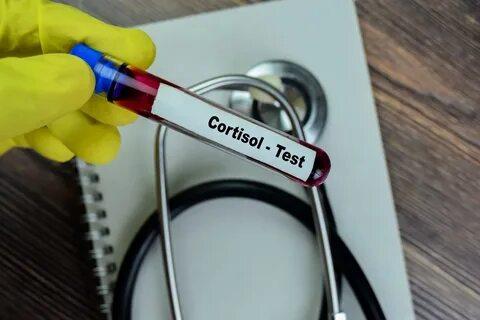
The adrenal glands may be small, but they perform some of the most important functions in the human body. These glands produce hormones that regulate metabolism, blood pressure, immune response, electrolyte balance, and the body's ability to cope with physical and emotional stress. Among these hormones, cortisol stands out because it influences nearly every organ system.
When cortisol production becomes abnormal, the effects can range from chronic fatigue and unexplained weight changes to serious endocrine disorders that require immediate medical attention. A Cortisol Blood Test Dubai is one of the primary diagnostic tools healthcare providers use to evaluate adrenal gland function and detect hormonal imbalances.
This guide explores how the cortisol blood test works, why it is essential for diagnosing adrenal disorders, what the results may indicate, and how it fits into a complete endocrine evaluation.
Why Healthy Adrenal Glands Are Essential?
The adrenal glands sit on top of each kidney and produce several hormones that help maintain normal body function. Cortisol is produced in the outer layer of the adrenal glands and is regulated by the hypothalamic-pituitary-adrenal (HPA) axis.
Healthy cortisol production supports numerous physiological processes, including:
-
Maintaining stable blood sugar levels
-
Regulating blood pressure
-
Supporting metabolism
-
Reducing excessive inflammation
-
Helping the immune system function properly
-
Managing the body's response to stress
-
Providing energy during illness or injury
Because cortisol affects multiple systems simultaneously, adrenal disorders often present with symptoms that seem unrelated at first, making laboratory testing especially valuable.
Understanding the Purpose of a Cortisol Blood Test:
A cortisol blood test measures the concentration of cortisol circulating in the bloodstream at a specific time. Since cortisol follows a circadian rhythm, levels are typically highest in the early morning and gradually decline throughout the day.
Doctors order this test to determine whether the adrenal glands are producing an appropriate amount of cortisol or whether an underlying endocrine disorder is affecting hormone regulation.
Rather than providing a diagnosis on its own, the test serves as an important piece of clinical evidence that is combined with medical history, physical examination, imaging studies, and additional hormone testing.
When Do Doctors Suspect an Adrenal Disorder?
Adrenal disorders often develop gradually, and many symptoms overlap with common medical conditions. A healthcare provider may recommend cortisol testing when symptoms persist without an obvious explanation.
Signs that may prompt testing include:
-
Persistent fatigue
-
Muscle weakness
-
Unexplained weight gain
-
Unintentional weight loss
-
High blood pressure
-
Low blood pressure
-
Frequent dizziness
-
Elevated blood sugar
-
Darkened skin pigmentation
-
Easy bruising
-
Abdominal obesity
-
Difficulty recovering from illness
-
Mood changes
-
Sleep disturbances
Because these symptoms may indicate hormone imbalance, evaluating cortisol levels helps narrow the list of possible causes.
How Cortisol Testing Helps Diagnose Adrenal Disorders?
The adrenal glands can produce either excessive or insufficient amounts of cortisol. Both situations require careful medical evaluation because each affects the body differently.
A cortisol blood test helps determine whether adrenal hormone production falls within the expected range and whether further endocrine testing is necessary.
Healthcare providers also consider ACTH levels, which regulate cortisol production, to identify whether the problem originates in the adrenal glands or the pituitary gland.
Adrenal Disorders Identified Through Cortisol Testing?
Several medical conditions involving the adrenal glands rely on cortisol testing as part of the diagnostic process.
Addison's Disease:
Addison's disease is a form of primary adrenal insufficiency in which the adrenal glands become damaged and cannot produce enough cortisol.
Typical symptoms include:
-
Chronic fatigue
-
Loss of appetite
-
Weight loss
-
Low blood pressure
-
Salt cravings
-
Nausea
-
Muscle weakness
-
Increased skin pigmentation
Early diagnosis is important because untreated Addison's disease can lead to adrenal crisis, a potentially life-threatening emergency.
Cushing Syndrome:
Cushing syndrome develops when cortisol remains elevated for an extended period.
Patients may experience:
-
Weight gain around the abdomen
-
Rounded facial appearance
-
Thin skin
-
Purple stretch marks
-
High blood pressure
-
Elevated blood glucose
-
Osteoporosis
-
Mood disturbances
-
Muscle weakness
A cortisol blood test helps identify excessive hormone production before complications become severe.
Secondary Adrenal Insufficiency:
Sometimes the adrenal glands themselves are healthy, but the pituitary gland fails to produce enough adrenocorticotropic hormone (ACTH). Without adequate ACTH stimulation, cortisol production declines.
This condition often develops after pituitary disorders or prolonged corticosteroid therapy.
Adrenal Tumors:
Benign adrenal adenomas and malignant adrenal cancers may interfere with normal hormone production.
Depending on the type of tumor, cortisol levels may become abnormally high or occasionally decrease if normal adrenal tissue is damaged.
How the Test Is Performed?
The cortisol blood test is a routine laboratory procedure.
The process usually includes:
-
Cleaning the skin over a vein.
-
Drawing a blood sample from the arm.
-
Sending the sample to a laboratory for hormone analysis.
The procedure generally takes only a few minutes and carries minimal risk beyond slight bruising or temporary discomfort.
Why Timing Matters?
Unlike many blood tests, cortisol testing is highly dependent on the time of day.
Normally:
-
Morning cortisol levels are highest.
-
Afternoon levels begin to decrease.
-
Evening levels are naturally much lower.
For this reason, healthcare providers frequently schedule cortisol blood tests between 7:00 AM and 9:00 AM. In some situations, multiple blood samples collected at different times help evaluate the body's normal cortisol rhythm.
Preparing for Accurate Test Results:
Proper preparation improves the reliability of cortisol measurements.
Patients are often advised to:
-
Inform their healthcare provider about prescription medications.
-
Report hormone replacement therapy or corticosteroid use.
-
Avoid strenuous exercise before testing.
-
Follow fasting instructions if additional blood work is scheduled.
-
Minimize emotional stress before the blood draw whenever possible.
Following these recommendations reduces the likelihood of misleading laboratory results.
What Abnormal Cortisol Levels May Suggest?
Abnormal results require careful interpretation because numerous factors influence cortisol production.
Elevated Cortisol Levels:
High cortisol levels may indicate:
-
Cushing syndrome
-
Adrenal tumors
-
Pituitary tumors
-
Chronic stress
-
Severe illness
-
Pregnancy
-
Long-term corticosteroid medication use
Reduced Cortisol Levels:
Low cortisol levels may suggest:
-
Addison's disease
-
Primary adrenal insufficiency
-
Secondary adrenal insufficiency
-
Pituitary hormone deficiency
-
Adrenal gland damage
-
Steroid withdrawal
Healthcare providers never rely solely on one laboratory value. Results are interpreted together with symptoms, examination findings, and additional testing.
Additional Diagnostic Tests Often Used:
Because adrenal disorders can be complex, cortisol blood testing is frequently combined with other investigations.
These may include:
-
ACTH blood test
-
ACTH stimulation test
-
Twenty-four-hour urine cortisol
-
Late-night salivary cortisol
-
Electrolyte panel
-
Blood glucose testing
-
Comprehensive metabolic panel
-
MRI of the pituitary gland
-
CT scan of the adrenal glands
Each test provides different information that helps establish an accurate diagnosis and determine the underlying cause of abnormal cortisol production.
Factors That Can Influence Cortisol Levels:
Several temporary conditions may affect cortisol measurements without indicating permanent adrenal disease.
Examples include:
-
Emotional stress
-
Acute infection
-
Surgery
-
Pregnancy
-
Sleep deprivation
-
Intense physical activity
-
Shift work
-
Certain medications
Understanding these influences helps prevent unnecessary concern over isolated abnormal results.
Treatment After Diagnosis:
Treatment depends entirely on the underlying adrenal disorder.
Patients with excess cortisol may require surgery, medication, radiation therapy, or changes to corticosteroid treatment.
Individuals diagnosed with adrenal insufficiency typically receive lifelong hormone replacement therapy and education on managing cortisol levels during illness or periods of physical stress.
Regular follow-up appointments and repeat hormone testing help ensure treatment remains effective over time.
Frequently Asked Questions:
Is a cortisol blood test enough to diagnose adrenal disease?
No. Although it provides essential information, most adrenal disorders require additional hormone tests and imaging studies before a diagnosis is confirmed.
Can medications affect cortisol test results?
Yes. Corticosteroids, estrogen-containing medications, hormone therapy, and several other drugs can alter cortisol levels. Always inform your healthcare provider about every medication and supplement you take.
Is the procedure safe?
Yes. The cortisol blood test is a standard laboratory procedure with very low risk. Mild bruising or temporary discomfort at the needle site is the most common side effect.
How quickly are results available?
Most laboratories provide cortisol blood test results within one to three business days, depending on the testing facility.
Conclusion:
A cortisol blood Lab tests plays a central role in diagnosing adrenal disorders by measuring one of the body's most important hormones. Whether healthcare providers are investigating unexplained fatigue, abnormal blood pressure, persistent weight changes, or suspected conditions such as Addison's disease and Cushing syndrome, cortisol testing offers valuable insight into adrenal gland function and overall endocrine health.
Because adrenal disorders often produce symptoms that mimic other medical conditions, cortisol measurement is typically combined with ACTH testing, imaging studies, and additional hormone evaluations to reach an accurate diagnosis. Early detection allows timely treatment, reduces the risk of complications, and helps restore healthy hormone balance, enabling patients to maintain better long-term health and quality of life.

 Arabic
 French
 Spanish
 Portuguese
 Deutsch
 Turkish
 Dutch
Dutch
 Italiano
 Russian
 Romaian
 Portuguese (Brazil)
 Greek
Greek