


Step-by-Step Guide for Training to Become A Mediator in Dispute Resolution
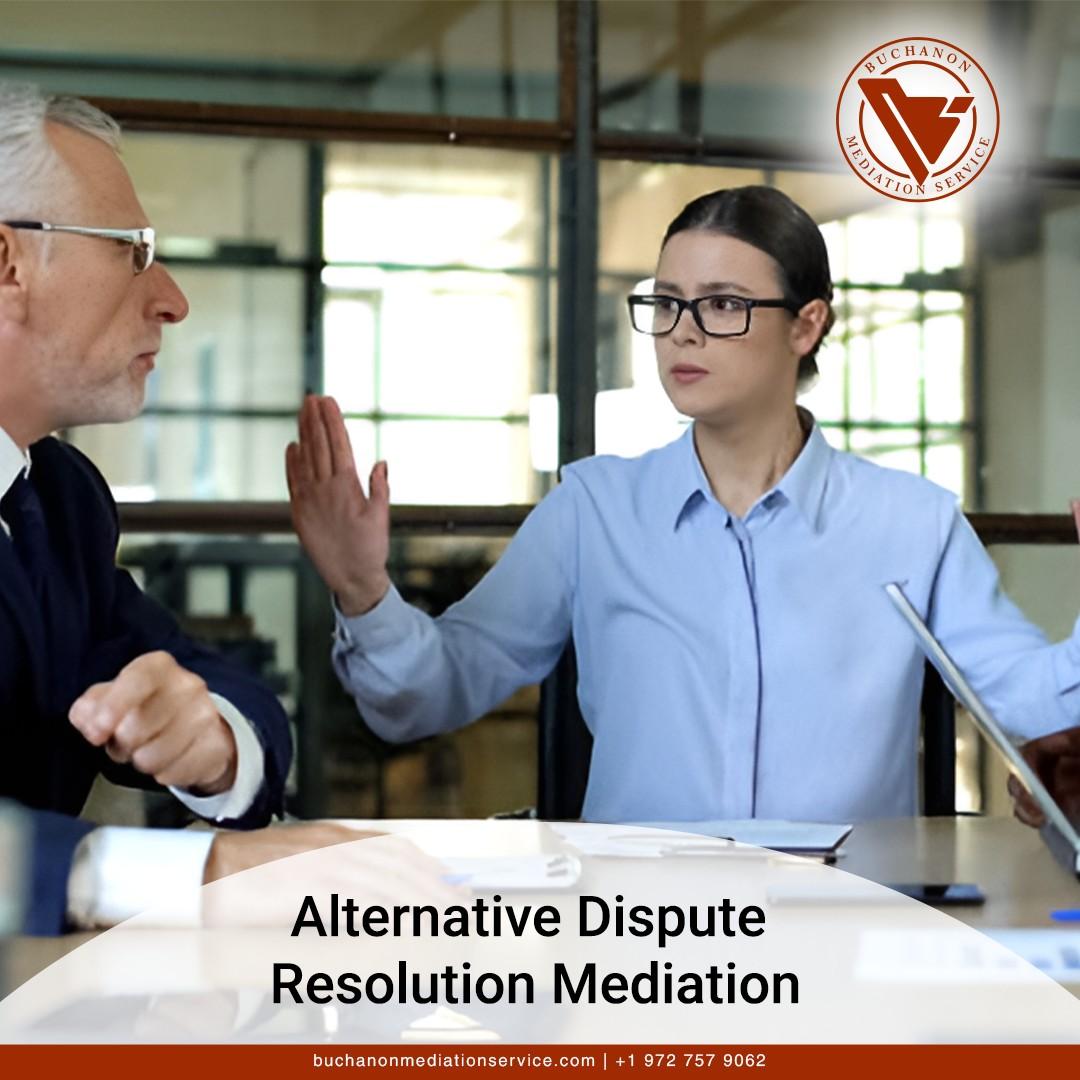
Dispute resolution mediation helps individuals and organizations settle disagreements without lengthy court proceedings. Anyone interested in helping people reach mutually acceptable agreements can pursue training to become a mediator through structured education, practical exercises, and supervised experience.
Mediation professionals play a valuable role in resolving conflicts involving families, workplaces, neighborhoods, and community organizations. A structured learning path helps aspiring mediators develop communication, negotiation, and problem-solving skills that support fair and effective outcomes. Understanding each step of the process can help candidates prepare for a rewarding career in dispute resolution.
Why Is Mediation Becoming an Important Career Choice?
Courts across the United States continue to encourage out-of-court settlements to reduce case backlogs and legal expenses. Mediation offers a practical option for resolving disputes while preserving relationships. Many organizations, families, and communities prefer collaborative solutions over adversarial proceedings. As a result, trained mediators are increasingly sought after in legal, corporate, educational, and community settings.
Professionals such as Vic Buchanon have demonstrated how skilled mediation can help parties find common ground in family disputes, workplace conflicts, neighborhood disagreements, and homeowner association matters. Effective listening and constructive communication often create an environment where productive conversations can occur.
What Skills Should You Develop Before Beginning Training to Become a Mediator?
Successful mediators rely on a combination of interpersonal and analytical skills.
Key competencies include:
- Active listening
- Communication management
- Conflict analysis
- Neutral decision facilitation
- Problem-solving abilities
- Emotional intelligence
- Ethical judgment
Strong listening skills often make participants feel heard and understood, which can encourage meaningful dialogue during mediation sessions.
What Does Training to Become a Mediator Typically Include?
Most mediation programs combine classroom instruction with practical exercises.
Training commonly covers:
|
Training Component |
Purpose |
|
Conflict Resolution Theory |
Understanding causes of disputes |
|
Communication Techniques |
Improving dialogue between parties |
|
Negotiation Methods |
Facilitating mutually acceptable agreements |
|
Ethics and Confidentiality |
Maintaining professional standards |
|
Role-Playing Exercises |
Building practical mediation experience |
|
Case Studies |
Learning from real-world situations |
Many programs require participants to complete simulated mediation sessions before certification.
How Does Alternative Dispute Resolution Mediation Work in Real Situations?
Alternative dispute resolution mediation follows a structured process designed to help parties communicate effectively and identify solutions. A typical mediation process includes:
- Initial introductions and ground rules
- Discussion of concerns by each party
- Identification of key issues
- Exploration of possible solutions
- Negotiation and agreement development
- Documentation of outcomes
Unlike litigation, mediation allows participants to maintain greater control over the final resolution. Research from the American Bar Association has consistently highlighted mediation as a cost-effective and time-efficient conflict resolution method.
What Certifications or Requirements May Be Needed?
Requirements vary by state, court system, and mediation specialty. Common expectations include:
- Completion of approved mediation education
- Practical mediation experience
- Continuing education courses
- Adherence to professional ethical standards
Family mediation, workplace mediation, and court-appointed mediation programs may have additional qualification requirements. Prospective mediators should review local court and state guidelines before selecting a training program.
How Can Practical Experience Improve Mediation Skills?
Practical experience bridges the gap between theory and real-world application. Many aspiring mediators gain experience through:
- Community mediation centers
- Court observation programs
- Internship opportunities
- Mentorship arrangements
- Volunteer conflict resolution services
Real-life exposure helps individuals understand how emotions, communication barriers, and competing interests influence dispute outcomes. Experienced practitioners often emphasize that observation and supervised practice provide valuable learning opportunities that cannot be replicated through coursework alone.
What Career Opportunities Exist After Completing Mediation Training?
Mediation skills apply across multiple industries and sectors.
Career opportunities may include:
- Family dispute mediation
- Workplace conflict resolution
- Community mediation services
- Court-connected mediation programs
- Business dispute resolution
- Educational conflict management
- Homeowner association dispute facilitation
Demand continues to grow as organizations seek practical methods for resolving disagreements while avoiding prolonged legal proceedings.
How Can You Continue Growing as a Mediator?
Professional development remains essential throughout a mediator's career. Growth opportunities include:
- Advanced certification programs
- Specialized dispute resolution courses
- Professional mediation associations
- Continuing education workshops
- Mentorship and peer review programs
Ongoing learning helps mediators adapt to evolving conflict resolution practices and improve their effectiveness.
Conclusion
Developing a successful mediation career requires education, practice, ethical awareness, and strong communication skills. Structured training to become a mediator provides the foundation needed to guide parties toward constructive resolutions. Through continuous learning and practical experience, mediators help individuals, families, businesses, and communities resolve disputes efficiently and respectfully. As courts and organizations increasingly support collaborative conflict management, mediation continues to offer meaningful opportunities for professionals dedicated to helping others find common ground.
Frequently Asked Questions
Q: What is the training to become a mediator?
Training to become a mediator involves learning communication, negotiation, ethics, and conflict resolution techniques. Programs typically include classroom instruction, role-playing exercises, and supervised practice that prepare participants to facilitate productive discussions and assist disputing parties in reaching agreements.
Q: How long does training to become a mediator take?
The duration varies depending on the program and specialization. Some introductory courses take several days, while advanced certifications may require weeks or months of coursework, practical exercises, and observation hours before completion.
Q: What is alternative dispute resolution mediation?
Alternative dispute resolution mediation is a structured process where a neutral third party helps disputing individuals discuss issues, explore options, and work toward mutually acceptable solutions without relying on courtroom litigation.
Q: Is alternative dispute resolution mediation legally binding?
Mediation itself is generally voluntary. However, agreements reached during alternative dispute resolution mediation can become legally binding once parties sign settlement documents and complete any required legal procedures.
Q: Do mediators need legal experience?
Legal experience may be helpful in certain areas, but many successful mediators come from backgrounds such as education, business, counseling, human resources, and community services. Communication and conflict management skills often play a larger role than legal training.
Q: Can training to become a mediator lead to a full-time career?
Yes. Many professionals build full-time careers in mediation through court programs, private practice, community organizations, workplace conflict management, and specialized dispute resolution services across various industries.
Q: Why do organizations use alternative dispute resolution mediation?
Organizations often choose mediation because it can reduce costs, save time, improve communication, preserve relationships, and encourage collaborative problem-solving compared with traditional legal proceedings.

 Arabic
 French
 Spanish
 Portuguese
 Deutsch
 Turkish
 Dutch
Dutch
 Italiano
 Russian
 Romaian
 Portuguese (Brazil)
 Greek
Greek