


Understanding the Importance of a Marriage Blood Test Before Marriage
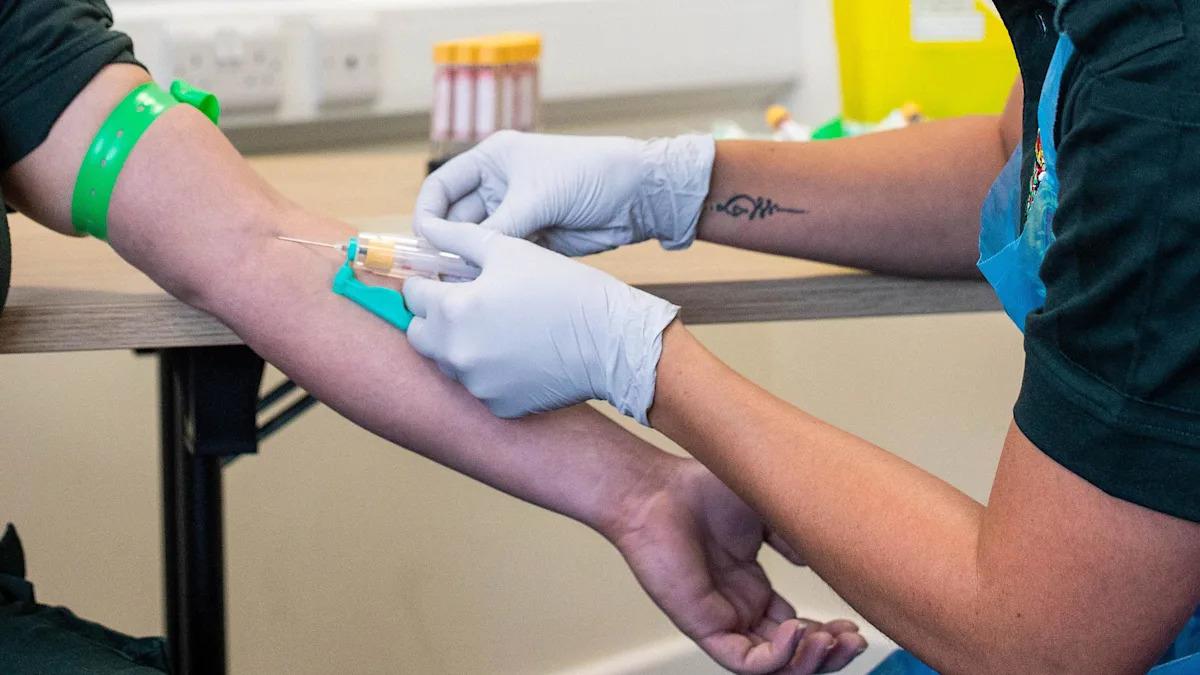
Marriage is a lifelong partnership built on trust, commitment, and shared goals. While couples spend months preparing for the wedding ceremony, one important aspect of preparation often receives less attention—health. A Marriage Blood Test in Dubai is a valuable part of premarital health screening that helps couples understand their medical condition before starting a new chapter together.
Good health is not only about feeling well today. Many medical conditions remain undetected for years because they do not cause noticeable symptoms in the early stages. Premarital blood testing provides an opportunity to identify these conditions, seek timely medical advice, and make informed decisions about future family planning.
This guide answers the most common questions couples have about marriage blood tests and explains why they are an essential step before marriage.
Why Is a Marriage Blood Test Important Before Marriage?
The primary purpose of a marriage blood test is to provide a clear understanding of each partner's health. It helps identify medical conditions that could affect married life, pregnancy, or the health of future children.
Instead of waiting until symptoms appear, couples can take a proactive approach by detecting health concerns early. This allows healthcare providers to recommend treatment, lifestyle improvements, or additional medical evaluations before complications develop.
Premarital health screening also encourages open communication between partners, creating a relationship based on honesty and mutual responsibility.
What Health Conditions Can a Marriage Blood Test Detect?
A marriage blood test evaluates several important aspects of health through different laboratory examinations.
Depending on individual medical history, the screening may help detect:
-
Anemia
-
Diabetes
-
Blood disorders
-
Thyroid conditions
-
Infectious diseases
-
Genetic carrier status
-
Nutritional deficiencies
-
Blood group and Rh factor compatibility
Many of these conditions can be successfully managed when identified early, making preventive screening an important healthcare decision.
How Does a Marriage Blood Test Protect Future Children?
One of the biggest advantages of premarital blood testing is its role in family planning.
Some inherited disorders are carried silently from one generation to the next. A person may be completely healthy while carrying a genetic mutation that could be passed to their children.
Genetic carrier screening commonly evaluates conditions such as:
-
Thalassemia
-
Sickle cell disease
-
Cystic fibrosis
-
Other inherited blood disorders
If both partners carry the same genetic condition, healthcare professionals may recommend genetic counseling to explain inheritance patterns and available reproductive options.
Early awareness allows couples to make informed decisions before pregnancy.
Which Blood Tests Are Usually Recommended?
A marriage blood test often includes several routine laboratory examinations that together provide a comprehensive health assessment.
Blood Group and Rh Factor:
This test identifies each partner's blood type and Rh status.
Although blood group differences do not affect marriage, Rh incompatibility may require preventive treatment during pregnancy to protect the baby.
Complete Blood Count:
A Complete Blood Count evaluates:
-
Red blood cells
-
White blood cells
-
Platelets
-
Hemoglobin
The results help identify anemia, infections, inflammation, and other blood-related disorders.
Infectious Disease Screening:
Healthcare providers commonly recommend testing for:
-
HIV
-
Hepatitis B
-
Hepatitis C
-
Syphilis
Early diagnosis supports treatment while reducing transmission risks.
Blood Sugar Testing:
Blood glucose screening detects diabetes and prediabetes before symptoms become severe.
Managing blood sugar contributes to healthier pregnancies and improved long-term health.
Thyroid Function Testing:
Healthy thyroid hormones are important for fertility, metabolism, and reproductive health.
When thyroid disorders are identified early, treatment can improve both general health and pregnancy outcomes.
Is Premarital Health Screening Only for Couples Planning Children?
No.
Although family planning is an important reason for premarital blood testing, every couple benefits from understanding their health before marriage.
Knowing your health status allows both partners to:
-
Address medical conditions early.
-
Improve overall wellness.
-
Prevent future complications.
-
Build healthier lifestyle habits.
-
Make informed healthcare decisions.
Even couples who are not planning children immediately can benefit from early medical evaluation.
What Happens During the Testing Process?
The testing process is straightforward and usually completed within a short appointment.
Medical Consultation:
A healthcare provider first reviews personal and family medical history, current medications, and lifestyle habits.
This information helps determine which laboratory tests are most appropriate.
Blood Sample Collection:
A trained healthcare professional collects one or more blood samples using sterile equipment.
The procedure is quick and causes only minor discomfort.
Laboratory Analysis:
The blood samples are analyzed to evaluate blood cells, glucose levels, antibodies, genetic markers, hormones, and infectious diseases depending on the requested screening panel.
Discussion of Results:
Once the laboratory report is available, the physician explains the findings and discusses whether any additional testing, treatment, or monitoring is required.
Can a Marriage Blood Test Prevent Future Health Problems?
While no laboratory test can prevent disease by itself, early diagnosis significantly improves prevention and treatment.
A marriage blood test helps healthcare providers identify medical conditions before complications occur.
Examples include:
-
Treating anemia before pregnancy.
-
Managing diabetes through lifestyle changes.
-
Monitoring thyroid disorders.
-
Vaccinating against preventable infections.
-
Providing genetic counseling when appropriate.
Preventive healthcare allows couples to take action before small medical concerns become major health issues.
Does a Positive Test Result Mean Marriage Should Not Happen?
Absolutely not.
This is one of the most common misconceptions about premarital blood testing.
The purpose of a marriage blood test is to provide medical information—not to determine whether a relationship should continue.
Many conditions identified during screening are manageable with:
-
Medication
-
Lifestyle changes
-
Nutritional counseling
-
Vaccination
-
Regular monitoring
-
Specialist care
Healthcare providers work with couples to develop treatment plans that support long-term health.
How Can Couples Prepare for the Appointment?
Proper preparation improves laboratory accuracy and makes the appointment more efficient.
Healthcare providers may recommend:
-
Following fasting instructions if required.
-
Drinking enough water.
-
Bringing previous medical records.
-
Informing the physician about medications.
-
Sharing complete family medical history.
Honest communication helps physicians recommend the most appropriate screening tests.
Why Is Preventive Healthcare Better Than Waiting for Symptoms?
Many serious medical conditions remain silent during their early stages.
By the time symptoms appear, treatment may become more complicated.
Preventive healthcare offers several important advantages:
-
Earlier diagnosis.
-
Better treatment outcomes.
-
Lower health risks.
-
Improved reproductive health.
-
Reduced healthcare complications.
-
Greater confidence before marriage.
A marriage blood test represents one of the simplest yet most effective preventive healthcare measures available for engaged couples.
Frequently Asked Questions:
Is a marriage blood test painful?
The procedure involves only a small blood sample, and most people experience minimal discomfort.
How long does it take to receive results?
Routine laboratory reports are usually available within several days, although specialized genetic testing may take longer.
Are the results confidential?
Yes. Healthcare providers maintain strict confidentiality regarding all medical records and laboratory findings.
Should both partners complete the same tests?
Healthcare providers personalize testing based on each person's medical history, but comprehensive screening of both partners is generally recommended.
Can abnormal findings be treated?
Many conditions discovered through premarital health screening can be effectively managed with early medical intervention, improving long-term health outcomes.
Final Thoughts:
A marriage blood Lab tests is an important investment in a healthy and informed future. It helps couples detect hidden medical conditions, evaluate blood group compatibility, identify inherited disorders, screen for infectious diseases, and prepare for healthier pregnancies. More importantly, it encourages preventive healthcare, honest communication, and responsible family planning before marriage.
Understanding the importance of premarital health screening empowers couples to make confident decisions about their future together. By choosing early medical evaluation instead of waiting for health concerns to appear, partners create a stronger foundation for lifelong wellness, healthier relationships, and the well-being of future generations. A marriage built on trust is even stronger when it is supported by knowledge, preparation, and a shared commitment to good health.

 English
 Arabic
 French
 Spanish
 Portuguese
 Deutsch
 Turkish
 Dutch
Dutch
 Italiano
 Romaian
 Portuguese (Brazil)
 Greek
Greek