


The Steel Skeleton: An Introduction to the Data Centre Cabinets and Rack
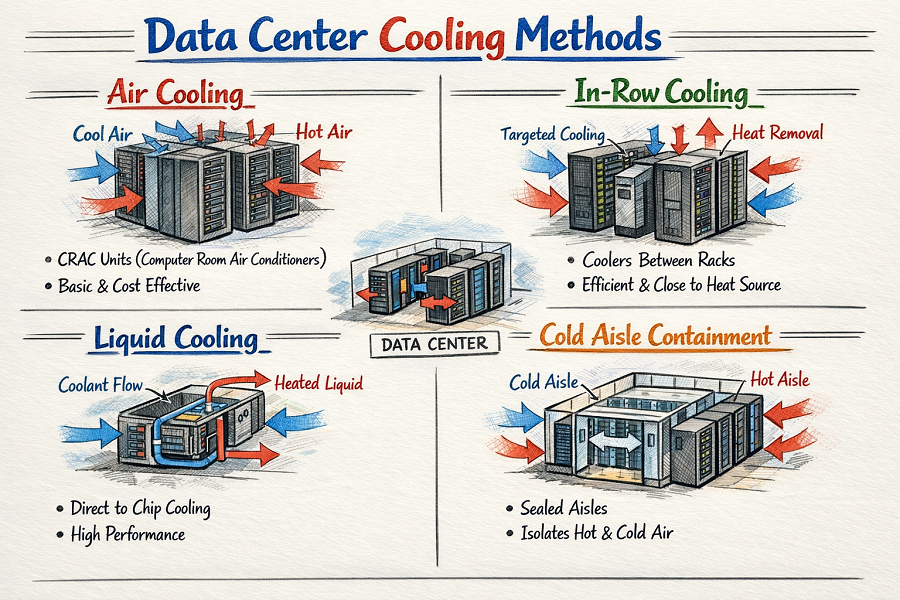
In the heart of every data center, the engine room of the digital world, stands a silent and often overlooked but absolutely essential component: the physical framework that houses the valuable IT equipment. This is the world of the Data Centre Cabinets and Rack, the standardized steel enclosures that provide the structural support, organization, and physical protection for servers, storage arrays, and networking gear. These are not just simple metal boxes; they are a critical piece of the data center's support infrastructure, engineered to manage airflow, facilitate cable management, and provide physical security. By providing a standardized and scalable system for housing IT hardware, racks and cabinets are the fundamental building blocks that enable the immense density and operational efficiency of the modern data center, forming the steel skeleton upon which the entire digital economy is built.
At its core, the data center rack is a standardized frame designed to hold electronic equipment. The industry standard unit of measure is the "rack unit" or "U," which is equal to 1.75 inches in height. A standard full-height rack is typically 42U tall, meaning it can hold 42 1U-high servers or a combination of equipment of different heights. These racks have a standard width of 19 inches, ensuring that equipment from different manufacturers will fit correctly. A cabinet, also known as an enclosure, is simply a rack with front and rear doors and side panels. These doors and panels are crucial for managing airflow and providing physical security. They are often perforated to allow for air to be drawn through the servers for cooling, and they are almost always lockable to prevent unauthorized physical access to the equipment.
The design of a modern data center cabinet is heavily influenced by the critical need to manage power and cooling. As servers have become more powerful, they consume more electricity and generate more heat, all within the same physical space. This has led to the concept of power density, measured in kilowatts (kW) per rack. A modern cabinet must be able to support these high power densities. This involves having robust vertical power distribution units (rack PDUs) that can deliver sufficient electricity to all the devices. More importantly, the cabinet design is central to the data center's cooling strategy. In a typical "hot aisle/cold aisle" layout, the perforated front door of the cabinet allows cold air to be drawn into the servers, while the perforated rear door allows hot exhaust air to be expelled into a contained hot aisle, ensuring an efficient airflow path.
Beyond just housing the equipment, a well-designed cabinet plays a crucial role in cable management and overall operational efficiency. The sheer number of power and network cables required for a fully populated rack can quickly become a tangled mess, which can obstruct airflow and make maintenance a nightmare. Modern cabinets include a variety of features to manage this, such as vertical and horizontal cable management channels, cable rings, and tie-down points. This organization not only improves cooling performance but also makes it much easier and faster for technicians to install, service, or replace equipment. In a large data center with thousands of racks and hundreds of thousands of cables, this level of organization is not a luxury; it is an absolute necessity for maintaining a clean, safe, and efficient operational environment.
Top Trending Reports:

 English
 Arabic
 French
 Spanish
 Portuguese
 Deutsch
 Turkish
 Dutch
Dutch
 Italiano
 Romaian
 Portuguese (Brazil)
 Greek
Greek