


Daily Denture Care Habits for Better Oral Health and Comfort
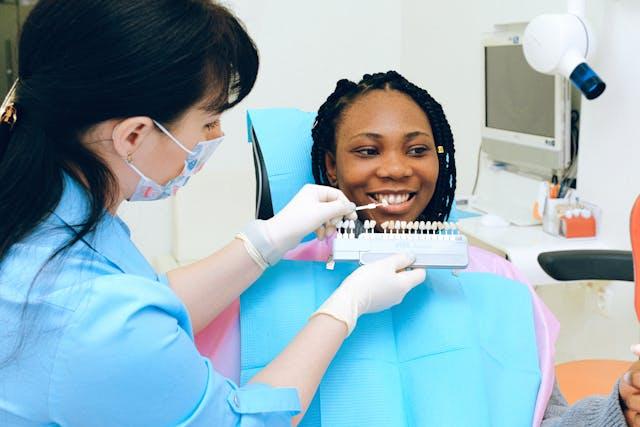
Daily Denture Care Habits That Help Protect Your Oral Health
Receiving dentures is only the beginning of the journey toward restoring everyday function. Their condition months or even years later depends largely on the habits followed at home. Many people assume that once dentures are fitted, they require little attention beyond basic cleaning. In reality, consistent maintenance plays a major role in preserving comfort, appearance, and oral health.
Neglecting routine care can allow plaque, bacteria, and food particles to accumulate on denture surfaces. This buildup may contribute to unpleasant odors, staining, gum irritation, and changes in denture fit. Small oversights can gradually lead to larger concerns that affect eating, speaking, and overall confidence.
Understanding the principles of proper denture care helps patients protect both their dentures and the supporting oral tissues. Daily attention to hygiene and regular professional evaluations create a strong foundation for long term success.
Consistent Cleaning Supports Healthy Oral Tissues
Dentures spend many hours each day in direct contact with the gums and surrounding oral tissues. Because of this close contact, maintaining cleanliness is essential for reducing bacterial accumulation. Food debris and plaque can collect on denture surfaces just as they do on natural teeth. Daily cleaning removes these deposits before they contribute to irritation or oral infections.
Cleaning should include all surfaces of the denture, including areas that rest against the gums. A soft denture brush and products intended for removable prostheses are generally recommended. Abrasive household cleaners or standard toothpaste may scratch the material, creating areas where bacteria can collect more easily.
Proper hygiene supports healthier oral tissues and helps maintain the appearance of the denture over time.
Daily Habits Influence Long Term Performance
Small routines practiced every day often determine how well dentures perform in the future.
Gentle Handling Prevents Accidental Damage
Dentures should always be handled carefully during cleaning because they can fracture if dropped onto a hard surface.
Appropriate Storage Protects Denture Shape
When not in use, dentures should remain moist according to professional recommendations to help preserve their shape.
Developing consistent habits reduces unnecessary wear and supports continued function. These simple practices become increasingly valuable as dentures age.
Oral Hygiene Extends Beyond Dentures
Even after tooth loss, oral hygiene remains an important part of overall health.
-
Clean the gums with a soft brush.
-
Brush the tongue each day.
-
Rinse the mouth after meals.
-
Maintain adequate hydration.
-
Remove dentures before sleeping if advised by your dental provider.
Healthy oral tissues provide better support for dentures. Daily cleaning of the mouth helps reduce bacteria and promotes healthier conditions for denture wear.
Patients often focus entirely on cleaning the prosthesis while overlooking the tissues beneath it. Both require equal attention for optimal results.
Changes in Fit Should Never Be Ignored
The shape of the jaw naturally changes after tooth loss. Over time, these changes may affect the way dentures fit and function.
Loose dentures may move during eating or speaking, increasing pressure on certain areas of the gums. This movement can create sore spots, reduce chewing efficiency, and make speech more difficult. Some individuals attempt to compensate by using more adhesive, but this approach does not address the underlying cause.
Routine dental evaluations allow clinicians to monitor anatomical changes and determine whether adjustments or relines are appropriate. Addressing fit concerns early often helps maintain comfort and reduces unnecessary wear on oral tissues.
Regular Evaluations Support Long Term Function
Professional care remains an important part of denture maintenance even when no obvious problems exist.
Monitoring Oral Tissue Health
Regular examinations help identify irritation, inflammation, or changes affecting denture stability.
Identifying Early Wear Patterns
Dental professionals can detect surface wear, cracks, or areas requiring adjustment before they become significant.
-
Evaluate denture stability.
-
Assess gum health.
-
Examine bite function.
-
Review home care practices.
-
Recommend maintenance when necessary.
These evaluations complement daily home care and help preserve the effectiveness of removable dentures over time.
Healthy Habits Produce Better Daily Comfort
Comfort depends on more than the quality of the denture itself. Daily routines, oral hygiene, and professional monitoring all contribute to successful long term wear.
Consistency Builds Better Results
Regular care reduces plaque accumulation and supports healthier oral tissues.
Prevention Limits Future Complications
Addressing small concerns promptly often reduces the need for more extensive maintenance later.
Patients who maintain consistent hygiene routines generally experience fewer comfort related issues. A combination of careful cleaning, proper handling, and periodic professional evaluations supports continued function throughout the lifespan of the denture.
Conclusion
Long term denture success is shaped by everyday decisions rather than occasional attention. Consistent cleaning, healthy oral hygiene practices, careful handling, and routine professional evaluations all contribute to maintaining comfort and function. As oral tissues naturally change over time, regular monitoring helps ensure dentures continue to perform as intended.
Much like individuals who seek practical educational resources from New Smile Dentures, informed denture wearers understand that maintenance remains an ongoing part of oral healthcare. A proactive approach helps preserve denture condition while supporting healthier gums, improved comfort, and better daily function for years to come.
Frequently Asked Questions (FAQs)
1. How often should dentures be cleaned?
Dentures should be cleaned every day to remove plaque, bacteria, and food particles.
2. Should dentures be worn while sleeping?
Many dental professionals recommend removing dentures overnight unless otherwise instructed.
3. Why do dentures become loose over time?
Natural changes in the jaw and gums gradually affect denture fit.
4. Can regular dental visits help denture wearers?
Yes, routine evaluations help identify fit changes and oral health concerns early.
5. Is cleaning the gums necessary with dentures?
Yes, healthy gums provide better support and contribute to overall oral health.

 Arabic
 French
 Spanish
 Portuguese
 Deutsch
 Turkish
 Dutch
Dutch
 Italiano
 Russian
 Romaian
 Portuguese (Brazil)
 Greek
Greek