


Blood Sugar Test: What Your Results Really Mean
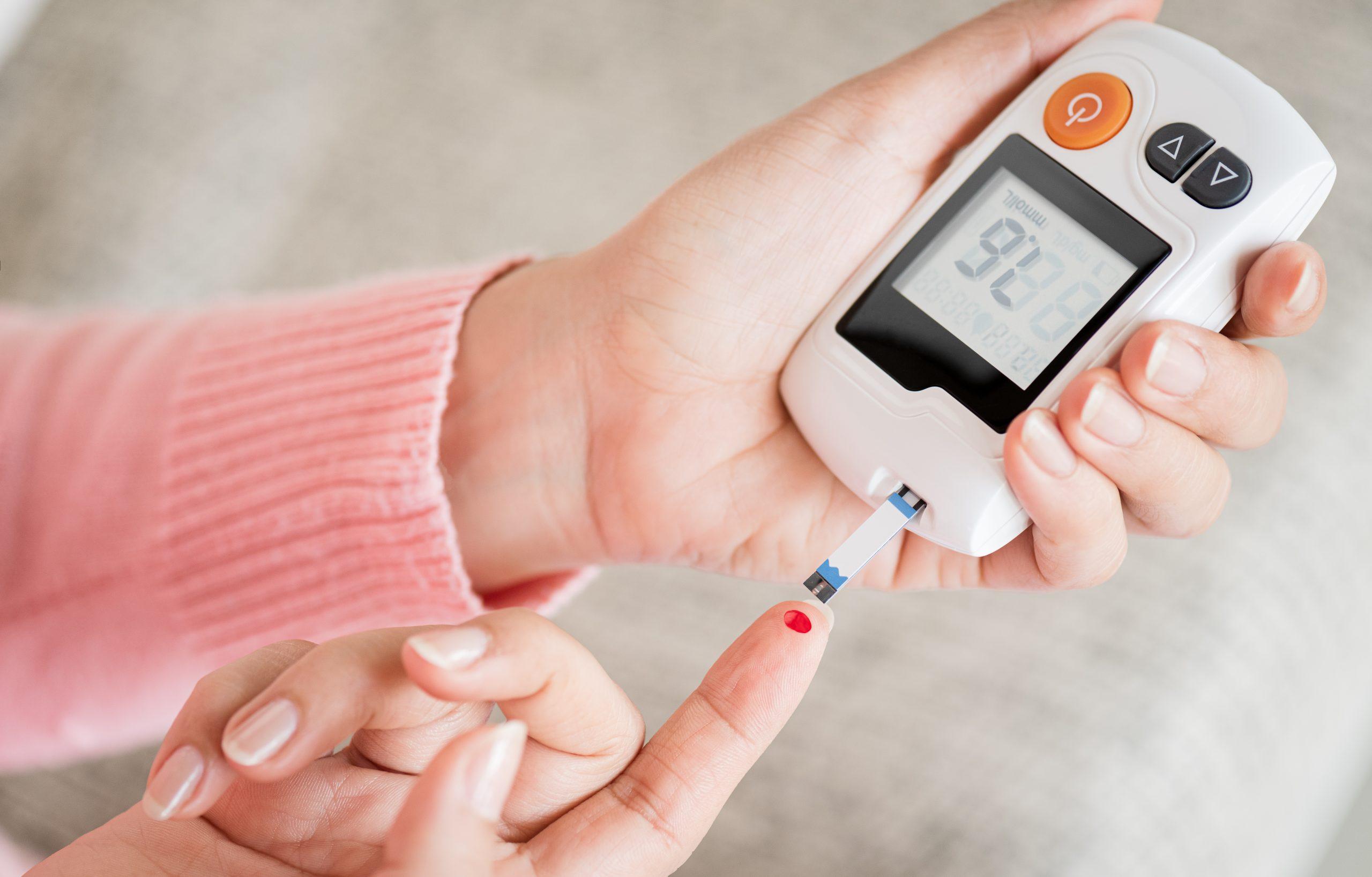
Receiving the results of a blood sugar test can raise many questions. You may wonder whether your blood glucose level is normal, what an abnormal result means, or whether you should be concerned about diabetes. While the numbers on a laboratory report are important, they tell only part of the story. Your healthcare provider also considers your symptoms, medical history, lifestyle, and other health factors before interpreting the results.
A Blood Sugar Test in Dubai is one of the most effective tools for detecting diabetes, identifying prediabetes, monitoring treatment, and evaluating overall metabolic health. Understanding what your results really mean empowers you to make informed decisions and take proactive steps toward better health.
This guide explains how blood sugar test results are interpreted, the factors that influence them, and what you can do if your glucose levels are outside the expected range.
Understanding What a Blood Sugar Test Measures:
A blood sugar test measures the concentration of glucose in your bloodstream. Glucose is the body's primary source of energy and comes from the carbohydrates you consume.
After eating, your digestive system converts carbohydrates into glucose, which enters the bloodstream. The pancreas produces insulin, allowing glucose to move into cells where it is used as energy.
When insulin production is reduced or the body's cells become resistant to insulin, glucose begins to accumulate in the bloodstream. A blood sugar test identifies these changes and helps healthcare providers assess how efficiently your body regulates blood glucose.
Why Blood Sugar Test Results Matter?
Blood glucose levels reflect how well your metabolism is functioning. They provide valuable information about your current health and may indicate whether additional evaluation is needed.
Your test results help healthcare professionals:
- Detect diabetes
- Identify prediabetes
- Monitor diabetes treatment
- Assess insulin function
- Evaluate metabolic health
- Identify episodes of high or low blood sugar
- Guide lifestyle and treatment decisions
Rather than focusing only on one number, healthcare providers evaluate the complete clinical picture.
Different Blood Sugar Tests and What They Reveal:
Not every blood sugar test provides the same information. Each test has a different purpose and offers unique insights into glucose regulation.
Fasting Blood Sugar Test:
This test measures blood glucose after fasting for several hours.
It reflects your body's baseline glucose level without the influence of recent meals and is commonly used to screen for diabetes and prediabetes.
Random Blood Sugar Test:
A random blood sugar test measures glucose at any time of day regardless of meal timing.
It is often recommended when symptoms such as excessive thirst or frequent urination suggest abnormal blood glucose.
Oral Glucose Tolerance Test:
This test evaluates how efficiently your body processes glucose after drinking a glucose solution.
Blood samples collected over time show how quickly glucose returns toward normal levels.
Hemoglobin A1C Test:
The A1C test measures average blood glucose over approximately two to three months.
Unlike a single glucose reading, it reflects long-term blood sugar control and is widely used to diagnose and monitor diabetes.
How Healthcare Providers Interpret Your Results?
Blood sugar test results are never interpreted in isolation.
Your healthcare provider evaluates several factors before reaching a conclusion, including:
- Age
- Medical history
- Family history
- Current symptoms
- Medications
- Recent illnesses
- Pregnancy status
- Lifestyle habits
- Previous laboratory results
This comprehensive approach improves diagnostic accuracy.
What Normal Blood Sugar Results Mean?
A normal blood sugar result generally indicates that your body is effectively regulating glucose through healthy insulin function.
This means:
- Glucose enters your cells efficiently.
- The pancreas is producing appropriate amounts of insulin.
- Blood glucose remains within a healthy range.
- Your metabolism is functioning properly.
Although normal results are reassuring, maintaining healthy habits remains important because blood glucose levels can change over time.
What Prediabetes Results Mean?
Prediabetes occurs when blood glucose levels are higher than normal but not consistently elevated enough to meet the criteria for diabetes.
This stage often develops without noticeable symptoms.
Prediabetes serves as an early warning sign that insulin resistance may be developing.
Fortunately, many individuals successfully improve blood glucose regulation through:
- Balanced nutrition
- Regular physical activity
- Weight management
- Better sleep habits
- Stress reduction
- Routine medical monitoring
Early intervention greatly reduces the likelihood of developing type 2 diabetes.
What Diabetes Results Mean?
Persistently elevated blood glucose may indicate diabetes.
However, healthcare providers usually confirm the diagnosis using repeat testing or additional laboratory evaluations.
Once diagnosed, diabetes management focuses on maintaining stable blood glucose levels to reduce the risk of complications.
Treatment plans vary depending on the individual's health needs and may include:
- Lifestyle modifications
- Blood glucose monitoring
- Nutritional counseling
- Physical activity
- Medication
- Ongoing medical follow-up
Early diagnosis often leads to better long-term health outcomes.
Why One Blood Sugar Test May Not Tell the Whole Story?
Blood glucose naturally changes throughout the day.
A single reading represents only one moment in time.
Several factors may temporarily influence the result, including:
- Recent meals
- Physical activity
- Emotional stress
- Illness
- Certain medications
- Dehydration
- Sleep quality
- Hormonal fluctuations
For this reason, healthcare providers sometimes recommend repeat testing or additional evaluations before making a diagnosis.
Common Reasons for High Blood Sugar Results:
High blood glucose does not always indicate diabetes.
Temporary elevations may occur due to:
Recent Food Intake:
Meals high in carbohydrates naturally increase blood glucose after eating.
Physical Stress:
Infections, surgery, or illness can temporarily raise blood sugar.
Emotional Stress:
Stress hormones such as cortisol may increase glucose production.
Certain Medications:
Some medications influence glucose metabolism and affect laboratory results.
Hormonal Changes:
Pregnancy and certain endocrine disorders may temporarily alter blood sugar regulation.
Persistent elevation, however, requires medical evaluation.
Common Reasons for Low Blood Sugar Results:
Low blood glucose can also occur for various reasons.
Possible causes include:
- Skipping meals
- Prolonged fasting
- Certain diabetes medications
- Excessive physical activity
- Hormonal disorders
- Liver disease
- Alcohol consumption without adequate food intake
Symptoms of low blood sugar may include dizziness, sweating, confusion, shaking, weakness, and rapid heartbeat.
Prompt evaluation helps identify the underlying cause.
Lifestyle Choices That Influence Blood Sugar Results:
Your daily habits significantly affect blood glucose control.
Eat Balanced Meals:
Choose foods rich in:
- Whole grains
- Vegetables
- Fruits
- Lean protein
- Healthy fats
- Dietary fiber
Balanced meals slow glucose absorption and promote steady energy levels.
Exercise Consistently:
Regular physical activity improves insulin sensitivity and helps muscles utilize glucose more efficiently.
Walking, cycling, swimming, and resistance training all support healthy blood sugar management.
Maintain a Healthy Weight:
Weight management reduces insulin resistance and supports better metabolic function.
Prioritize Sleep:
Poor sleep affects hormones involved in appetite regulation and glucose metabolism.
Consistent sleep contributes to healthier blood sugar control.
Stay Hydrated:
Proper hydration supports healthy circulation, kidney function, and glucose regulation.
Reduce Stress:
Stress management techniques such as meditation, yoga, deep breathing, and regular exercise may help maintain healthier blood glucose levels.
Questions to Ask After Receiving Your Results:
Understanding your laboratory report becomes easier when you ask informed questions.
Consider discussing the following with your healthcare provider:
- What do my results indicate?
- Do I need additional testing?
- Should I repeat the blood sugar test?
- What lifestyle changes would benefit me?
- How often should my blood glucose be monitored?
- Are there risk factors I should address?
- Should I undergo an A1C test?
These discussions support informed healthcare decisions.
Common Myths About Blood Sugar Test Results:
Misunderstanding blood sugar reports can lead to unnecessary concern or false reassurance.
Myth: One High Reading Means Diabetes
A diagnosis usually requires confirmation through repeat testing or additional laboratory evaluation.
Myth: Normal Results Mean You Never Need Another Test
Blood glucose levels may change over time due to aging, weight changes, medications, illness, or lifestyle factors.
Routine screening remains important.
Myth: No Symptoms Mean Healthy Blood Sugar
Many individuals with prediabetes experience no noticeable symptoms.
Regular blood sugar testing remains the most reliable method of early detection.
Myth: Blood Sugar Results Depend Only on Sugar Intake
Blood glucose is influenced by genetics, insulin function, body weight, hormones, physical activity, medications, stress, and overall health.
Tips for Maintaining Healthy Blood Sugar Between Tests:
Healthy daily habits help support consistent blood glucose control.
Focus on:
- Eating balanced meals
- Staying physically active
- Maintaining a healthy body weight
- Drinking enough water
- Sleeping well
- Managing stress
- Following your healthcare provider's recommendations
- Scheduling routine health checkups
These habits contribute to long-term metabolic wellness.
Conclusion:
A blood sugar Lab tests provides much more than a single laboratory value—it offers valuable insight into how effectively your body manages glucose and supports overall health. Whether your results indicate normal blood sugar, prediabetes, or diabetes, understanding what those findings mean allows you to take informed and timely action.
Because blood glucose levels are influenced by many factors, results should always be interpreted alongside your medical history, symptoms, and overall health by a qualified healthcare professional. Combined with healthy nutrition, regular exercise, weight management, quality sleep, stress reduction, and routine medical care, blood sugar testing becomes a powerful tool for preventing complications and promoting lifelong wellness. Understanding your results today can help you make healthier choices and protect your future health.

 Arabic
 French
 Spanish
 Portuguese
 Deutsch
 Turkish
 Dutch
Dutch
 Italiano
 Russian
 Romaian
 Portuguese (Brazil)
 Greek
Greek