


The Functions and Importance of the Vermont Forest Agency in Forestry
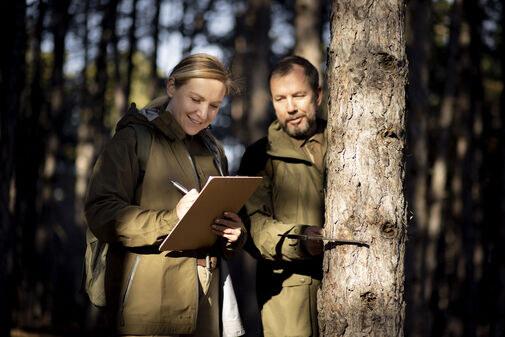
This article looks at how Vermont’s main forest agency manages both the day-to-day tasks and big-picture goals needed to protect the state’s wild places.
Managing forestland isn’t simple. In Vermont, the forest agency is right at the center, trying to keep a balance between protecting nature, giving people space to play outdoors, and making sure resources like timber are used wisely. They look after huge stretches of woodland—public and private—helping shape Vermont’s identity, keep its economy steady, and maintain the health of local environments.
So, what’s the real purpose? The Vermont forest agency is, at heart, the state’s caretaker of forests. With so much of Vermont blanketed in trees, their job is to guide and regulate how those forests get used. Their mission covers a lot: protecting Vermont’s native plants and animals, fighting back against invasive species, and making sure water stays clean and healthy. With science-driven plans, the agency keeps everything from hardwood valleys to mountain fir stands sturdy in the face of climate shifts and new development.
One big piece of their job is running current-use programs. These programs give private landowners a reason to keep their land as forest instead of turning it into condos or shops. The agency steps in, gives advice, and sets standards so timber harvesting doesn’t wipe out habitats. This back-and-forth between state officials and private landowners is what keeps Vermont’s “working landscape” alive—the forests that both define the view and support the local economy.
Of course, forests aren’t just for logging. The agency also manages state-owned lands—parks, forests, nature areas—where people hike, ski, hunt, or just sit and watch birds. It’s their job to keep trails in shape, prevent erosion, and make sure too many visitors don’t damage the wild places folks came to see. The agency runs a balancing act: letting people explore, but not at the expense of wildlife or healthy forests.
Lately, their role is growing. Climate change is changing everything, from where pests go to how bad storms hit. The agency tracks tree health, soil conditions, and the amount of carbon Vermont’s forests can lock away. They keep an eye on what’s happening so lawmakers can make smart choices about the environment.
Bottom line: Vermont’s forest agency isn’t just pushing papers or patrolling the woods. They tie together laws, landowner help, and the challenge of keeping forests both wild and usable. As new threats pop up and development pressures grow, their job only gets more important. If Vermont’s forests are going to last, the work of this agency is what makes it possible.

 English
 Arabic
 French
 Spanish
 Deutsch
 Turkish
 Dutch
Dutch
 Italiano
 Russian
 Romaian
 Portuguese (Brazil)
 Greek
Greek