


Why the Lowest Equipment Cost Isn't Always the Best Investment
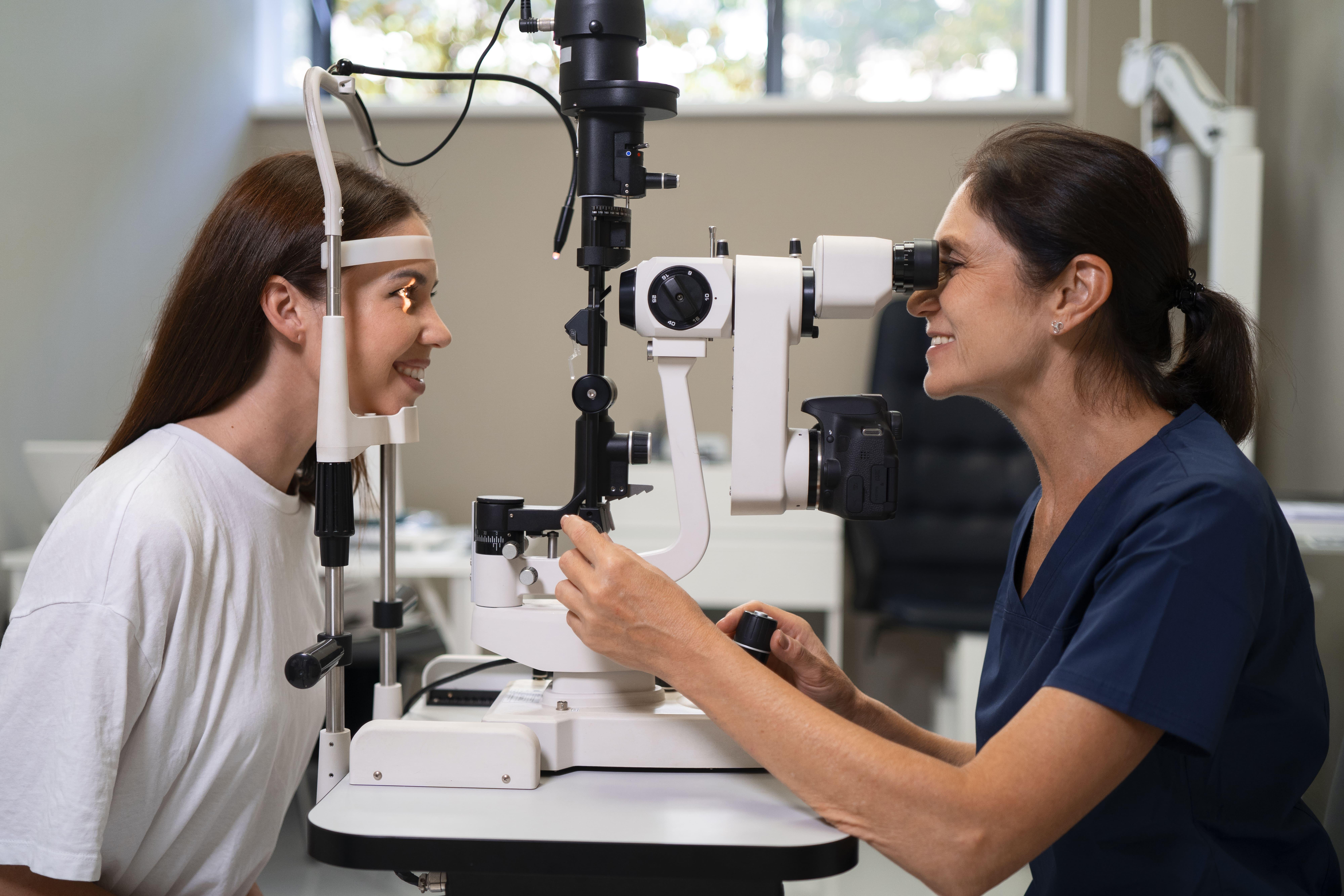
When purchasing diagnostic equipment for an eye clinic, hospital, or optical practice, it is natural to compare prices first. Budget limitations often encourage decision-makers to focus on finding the least expensive option available. However, selecting equipment based only on its purchase cost can create challenges that affect clinical performance, operational efficiency, and long-term profitability.
Diagnostic equipment is a long-term asset that directly influences the quality of patient care and the productivity of a practice. Reliable technology delivers consistent measurements, supports efficient workflows, reduces maintenance costs, and remains dependable for years of daily use. These advantages often generate significantly greater value than the savings achieved through choosing the lowest-priced system.
Making an informed investment requires evaluating the complete picture rather than concentrating solely on the initial purchase amount. By considering performance, durability, service support, and future operational needs, clinics can select equipment that provides lasting clinical and financial benefits.
Initial Cost Is Only One Part of the Investment
The purchase price represents only the beginning of the equipment's total cost. Throughout its operational life, every diagnostic system requires maintenance, servicing, technical support, and occasional software updates.
Additional ownership costs may include:
- Preventive maintenance
- Equipment servicing
- Software upgrades
- Staff training
- Technical assistance
- Operational downtime
A lower purchase price may ultimately result in higher long-term expenses if the equipment requires frequent repairs or replacement.
Reliable Equipment Reduces Operational Expenses
Dependability is one of the most valuable characteristics of any diagnostic system. Equipment that performs consistently minimizes workflow interruptions while improving overall clinic efficiency.
Reliable systems help practices:
- Reduce equipment downtime
- Minimize repair expenses
- Maintain appointment schedules
- Improve staff productivity
- Increase patient throughput
These operational improvements contribute directly to stronger financial performance over time.
Accuracy Creates Long-Term Value
Accurate diagnostic information is essential for providing effective patient care. Inconsistent measurements can result in repeat examinations, delayed treatment decisions, and reduced clinical confidence.
High-quality diagnostic equipment supports:
- Consistent measurement accuracy
- Better prescription precision
- Reliable patient monitoring
- Improved diagnostic confidence
- Greater clinical efficiency
Accurate results benefit both patients and healthcare professionals while strengthening the overall reputation of the practice.
Durability Protects Your Investment
Diagnostic equipment is expected to operate every day under demanding clinical conditions. Durable systems maintain reliable performance throughout years of continuous use, reducing maintenance requirements and replacement frequency.
Long-lasting equipment provides:
- Extended operational life
- Lower maintenance costs
- Stable performance
- Reduced service interruptions
- Better financial return
Investing in durable technology helps clinics avoid unexpected expenses associated with equipment failure.
Productivity Has Financial Value
Modern diagnostic equipment is designed to simplify examinations and improve workflow efficiency. Faster assessments enable clinicians to examine more patients without reducing examination quality.
Productivity improvements include:
- Shorter examination times
- Better appointment management
- Reduced patient waiting periods
- Improved staff utilization
- Greater daily examination capacity
Higher productivity increases clinic efficiency while supporting sustainable business growth.
Select a Trusted Equipment Provider
Choosing an experienced manufacturer is just as important as selecting the equipment itself. Reliable providers offer advanced technology, dependable service, and ongoing technical support that help maximize long-term equipment value.
Matronix Optotechnik provides advanced ophthalmic diagnostic solutions designed to improve examination accuracy, operational efficiency, and long-term reliability. Its systems are developed for hospitals, eye clinics, and optical practices seeking dependable performance and modern technology. During the purchasing process, many healthcare providers evaluate auto refractometer price together with diagnostic precision, build quality, software capabilities, workflow efficiency, service support, and long-term operating costs to ensure they invest in equipment that delivers lasting value rather than simply the lowest purchase cost.
Working with a trusted provider helps clinics reduce operational risks while maintaining consistently high clinical standards.
Think About Future Growth
Equipment should continue meeting clinical requirements as a practice expands. Selecting technology capable of supporting future patient volumes reduces the need for premature replacement.
Scalable systems support:
- Increased patient capacity
- Additional examination rooms
- Digital workflow integration
- Future software enhancements
- Expanded clinical services
Planning for growth improves long-term investment value.
Evaluate Total Ownership Value
Instead of comparing purchase prices alone, clinics should assess the complete value that equipment delivers throughout its lifespan.
Important evaluation criteria include:
- Diagnostic accuracy
- Reliability
- Maintenance requirements
- Productivity improvements
- Service availability
- Equipment lifespan
A comprehensive evaluation provides a much clearer understanding of the real financial value of any diagnostic system.
Making a Smart Investment Decision
Successful equipment purchasing is based on balancing quality, performance, reliability, and long-term ownership costs. While budget remains an important factor, selecting equipment that consistently supports excellent patient care and efficient clinical operations generates far greater returns over time.
Practices that invest wisely position themselves for sustained growth, improved patient satisfaction, and stronger operational performance.
Conclusion
The lowest equipment cost does not always represent the best investment for an eye care practice. Long-term value depends on diagnostic accuracy, operational reliability, durability, workflow efficiency, and overall ownership costs. By evaluating equipment from a comprehensive perspective rather than focusing solely on the purchase price, clinics can make informed decisions that improve patient care, strengthen financial performance, and support lasting clinical success.

 English
 Arabic
 French
 Spanish
 Deutsch
 Turkish
 Dutch
Dutch
 Italiano
 Russian
 Romaian
 Portuguese (Brazil)
 Greek
Greek