


OncePik Guide to Creative Photography Ideas and Techniques
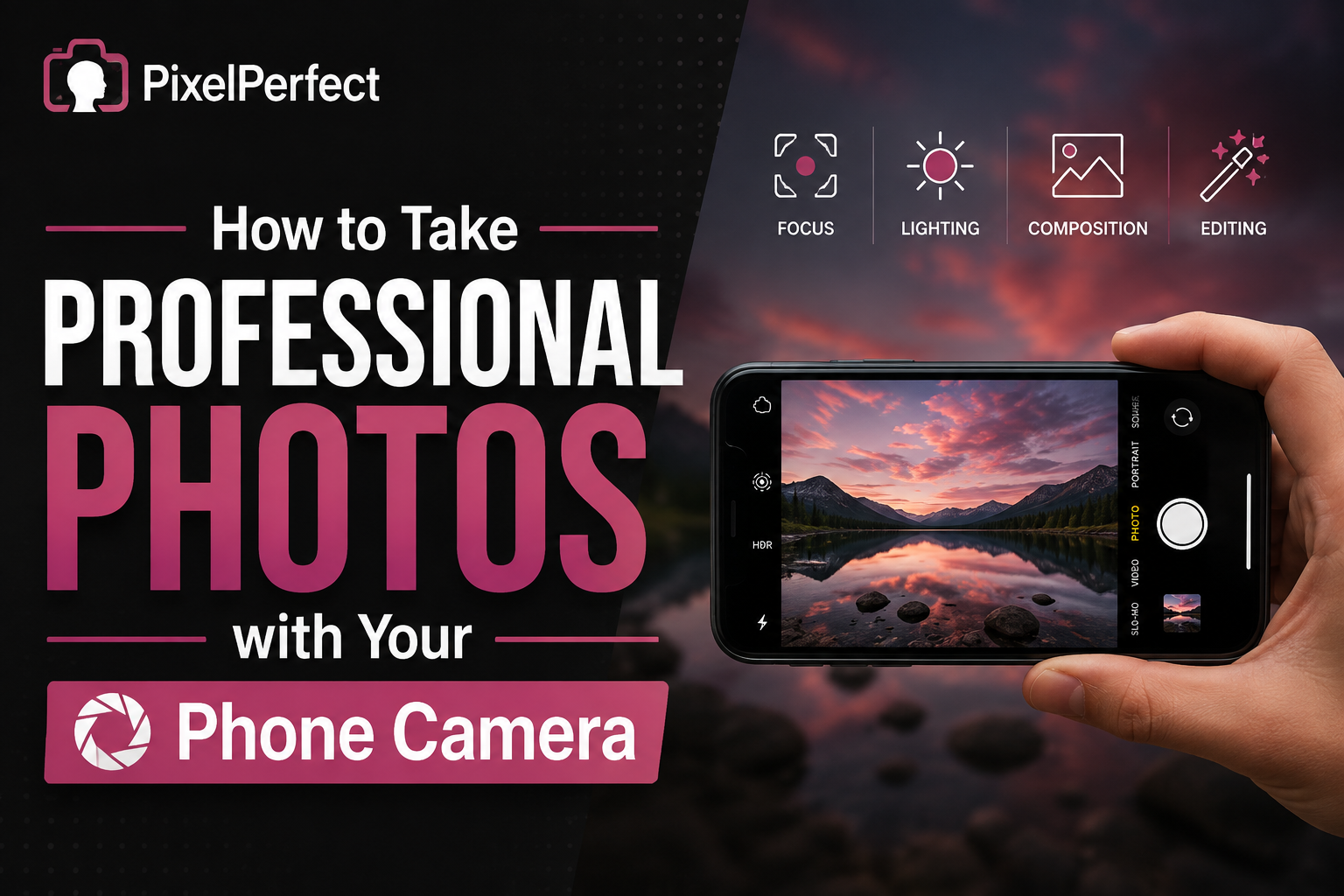
Creative photography is not always about having an expensive camera. It is about seeing ordinary things in a fresh way. A simple street, a window, a cup of coffee, or a person’s smile can become an interesting photo when you use light, timing, and a little imagination.
Photography becomes more enjoyable when you stop trying to make every photo perfect. Instead, focus on telling a small story. Try a new angle. Change the background. Use shadows. Take the same subject at different times of the day. These simple steps can help beginners create photos that feel fresh and personal.
This oncepik guide explores practical photography ideas that are easy to try at home, outdoors, or while traveling. The goal is simple: learn new ways to look at everyday scenes and turn them into better photographs.
Why Creative Photography Matters
Creative photography helps you develop your own way of seeing. Two people can photograph the same place and create completely different images.
One person may focus on a person’s face. Another may notice the light on a wall. Someone else may capture a reflection in a shop window.
That is what makes photography special.
Creativity also helps when you do not have perfect conditions. You may have poor weather, a small space, or only a phone camera. Instead of waiting for the perfect moment, you learn to work with what is available.
Start With What You Have
You do not need a professional camera to begin.
A smartphone can be enough for many creative projects. Modern phones can capture sharp images and give you plenty of control over framing and light.
Try photographing:
- Everyday objects
- Family members
- Pets
- Buildings
- Food
- Plants
- Streets
- Shadows
- Reflections
The important part is practice.
Creative Photography Ideas for Beginners
There are many ways to make a simple photo more interesting. Start with ideas that do not require special equipment.
1. Try Different Angles
Changing your camera position can completely change a photo.
Take one picture from eye level. Then move lower. Try a higher position. Move closer to the subject or step back.
For example, a flower photographed from above may look normal. A photo taken from a low angle can make the flower look much larger and more dramatic.
Small changes can create big results.
2. Use Natural Light
Light can change the mood of a photograph.
Morning and late afternoon often provide soft light that works well for portraits and outdoor scenes. Window light can also create beautiful results indoors.
Place a person near a window and notice how the light falls across the face. Move the person slightly and watch how the shadows change.
Do not be afraid of shadows. They can add depth and emotion to an image.
3. Experiment With Shadows
Shadows can become part of the subject.
Look for shadows created by:
- Trees
- Window frames
- Railings
- Leaves
- Buildings
- Blinds
Try photographing the pattern on a wall or floor. You can also place an object between the light and your subject to create an unusual shape.
4. Capture Reflections
Reflections are an easy way to add creativity.
You can find them in:
- Water
- Mirrors
- Glass
- Car windows
- Storefronts
- Polished surfaces
After rain, look for puddles. A small puddle can reflect a building, person, or colorful sign.
Try turning your camera toward the reflection instead of the main subject. This can create a photo that makes people stop and look twice.
Tell a Story With Your Photos
A strong photograph does more than show something. It can make people feel something.
Think about what you want viewers to notice.
If you are photographing a person drinking coffee, do not focus only on the cup. Include the person, the window, the table, and the light if they help tell the story.
A travel photo can show more than a famous building. Include people, local streets, signs, food, or daily life.
Focus on Real Moments
Natural moments often feel more powerful than forced poses.
When photographing people, let them talk, walk, laugh, or work. Watch for small expressions and movements.
A genuine smile or quiet moment can often create a stronger portrait than a stiff pose.
This approach is especially useful for lifestyle and street photography.
Use Color in Creative Ways
Color can change the feeling of an image.
Bright colors can create energy. Soft colors can feel calm. A photo with one strong color can also draw attention to a subject.
Look for color combinations around you.
For example:
- Blue sky with warm buildings
- Green plants against a plain wall
- Red clothing in a simple street scene
- Yellow objects in a dark setting
Try a Simple Color Theme
Choose one color and spend a day looking for it.
Take photos of anything that matches your chosen color. This simple exercise trains your eyes to notice details you may normally ignore.
It is also a fun way to build a photo collection.
Create Interesting Portraits
Portrait photography does not always need a studio.
A home, park, street, or café can become a portrait location.
Ask your subject to stand near a window, walk through a quiet street, or sit somewhere comfortable.
Use the Background Carefully
A busy background can distract from the person.
Before taking the photo, look around the edges of your frame. Remove objects that do not add anything to the story.
A clean wall, doorway, trees, or open sky can make a portrait look much clearer.
The background does not need to be empty. It simply needs to support the subject.
Make Ordinary Objects Look Special
Creative photography can turn everyday objects into interesting subjects.
Try photographing a:
- Spoon
- Book
- Pair of glasses
- Coffee cup
- Shoe
- Flower
- Watch
- Camera
- Piece of fruit
Place the object near a window. Change its position. Try a close view and a wider view.
The goal is not the object itself. The goal is to explore shape, texture, light, and composition.
Try Minimalist Photography
Minimalist photography keeps things simple.
Instead of filling the frame with many objects, choose one main subject and give it space.
A single person walking across an empty beach can create a powerful image. A small plant against a plain wall can also work well.
Keep the Frame Clean
Before pressing the shutter, ask:
What is the main subject?
If the answer is not clear, simplify the scene.
Move closer, change your position, or remove distracting elements.
Simple photos can often have a strong visual impact.
Explore Motion Photography
Movement can add energy to a photo.
Try photographing:
- Someone running
- A cyclist
- Moving water
- Dancing
- Flying birds
- Cars on a street
- Hair moving in the wind
Take several photos. Do not expect every frame to work.
With moving subjects, timing matters. Practice helps you learn when to take the photo.
Create a Black-and-White Project
Removing color can change the mood of a photograph.
Black-and-white photos can work especially well with:
- Faces
- Old buildings
- Street scenes
- Hands
- Textures
- Strong shadows
Look for contrast between light and dark areas.
Focus on Emotion
Without color, the viewer may pay more attention to expression, shape, and texture.
Try photographing an older building, a person’s hands, or a quiet street. Look for details that tell a story.
Use Everyday Light Creatively
You can create interesting images without special lights.
A window can become your main light source. A lamp can create a warm mood. A curtain can soften bright sunlight.
Try moving your subject closer to or farther from the light.
Observe what changes.
Good photography often comes from paying attention rather than buying more equipment.
Build Your Own Creative Practice
The best way to improve is to keep taking photos.
Set small challenges for yourself.
A Simple Seven-Day Challenge
Day 1: Photograph one object from five angles.
Day 2: Take photos using only natural light.
Day 3: Find five interesting shadows.
Day 4: Photograph reflections.
Day 5: Take simple portraits of someone you know.
Day 6: Create a photo using only one main color.
Day 7: Choose your favorite photo and study why it works.
These exercises can help you notice light, shape, color, and timing.
Learn From Every Photo
Not every photograph will be successful. That is normal.
Instead of deleting a poor photo immediately, ask what went wrong.
Was the subject too dark? Was the background distracting? Was the timing late? Did the image feel too empty?
Then try again.
The oncepik approach to photography learning can be useful for discovering ideas, styles, and simple ways to improve your creative work. The key is to take what you learn and test it through real practice.
Keep a Small Photo Journal
Write down a few notes after a photo session.
For example:
- What worked?
- What did not work?
- Which photo do you like most?
- What would you change next time?
This simple habit can help you see your progress.
Use Photography to Develop Your Own Style
Your style will not appear overnight.
It grows through repeated practice.
You may discover that you enjoy portraits more than landscapes. Maybe you prefer soft light, strong shadows, bright colors, or simple compositions.
Try different ideas before deciding what you like.
Do Not Copy Every Trend
Photography trends can inspire, but your work should still feel personal.
Look at popular photos and ask why they work. Then create your own version using your surroundings and ideas.
Good inspiration gives you a starting point. It should not remove your own creativity.
Final Thoughts
Creative photography is about curiosity. You do not need perfect equipment or a perfect location. You need the habit of looking closely.
Try new angles. Watch the light. Look for shadows and reflections. Photograph ordinary objects. Capture real moments. Most importantly, keep practicing.
The oncepik learning journey can help photography beginners explore different ideas and build confidence through simple, practical learning. With time, you can turn everyday scenes into photographs that feel meaningful and original.
Photography becomes easier when you enjoy the process. Take your camera or phone with you, look around, and start creating.
FAQs
1. Can beginners try creative photography?
Yes. Beginners can start with simple ideas such as shadows, reflections, colors, and different angles.
2. Do I need an expensive camera?
No. A smartphone can be a good tool for learning and practicing photography.
3. What is the best light for photography?
Soft natural light is a great choice for many photos, especially portraits.
4. How can I become more creative with photos?
Try new angles, subjects, colors, and lighting. Regular practice also helps you see new ideas.
5. How often should I practice photography?
Try taking photos several times a week. Even short practice sessions can help you improve.

 Arabic
 French
 Spanish
 Portuguese
 Deutsch
 Turkish
 Dutch
Dutch
 Italiano
 Russian
 Romaian
 Portuguese (Brazil)
 Greek
Greek