• Causes of Insulin Resistance, Symptoms and Treatment
    Causes of Insulin Resistance, Symptoms and Treatment
    Oftentimes, for reasons we shall see later in this article, the body is unable to respond to the insulin produced in its own pancreas. Now, insulin’s major function is to open the muscle cells in order to allow glucose into the cells. When the cells do not respond to the insulin produced in the body, glucose from the blood cannot enter the cells and blood glucose levels rise. In this article, we take a look at the reasons for this resistance, symptoms, treatment, and prevention.
    Understanding insulin resistance (impaired insulin sensitivity)
    In a healthy body, food that is consumed is broken down into glucose, which enters the bloodstream, signaling the pancreas to secrete insulin. The insulin acts like a key opening up the cells to allow glucose to enter the cells. Glucose is essential for the creation of energy, however, when cells in the muscles, liver and other tissues do not respond to insulin, the glucose in the blood is unable to enter the cells and this leads to a build-up of glucose in the blood. If left untreated, this progresses to diabetes and brings a host of complications from heart damage to kidney failure.
    ï‚·Excess body fat:
    As fat collects in your midsection, known as visceral fat, and spreads to cover organs like the pancreas, liver and kidney, it begins to compromise their functionality, leading to insulin resistance. In addition, this belly fat contributes to inflammation in the body, which is another cause of insulin resistance. A general rule of thumb is that your waist measurement should not exceed half your height. So if you’re 170 cm tall,     a waist measurement of 85 cm is your outer threshold.
    Browse full blog-
    https://www.freedomfromdiabetes.org/blog/post/causes-of-insulin-resistance-symptoms-and-treatment/2835
    Contact us :-
    Mob : +91-7776077760
    Email-Id : [email protected]
    Also connect with us on our website , Facebook page, and youtube
    Causes of Insulin Resistance, Symptoms and Treatment Causes of Insulin Resistance, Symptoms and Treatment Oftentimes, for reasons we shall see later in this article, the body is unable to respond to the insulin produced in its own pancreas. Now, insulin’s major function is to open the muscle cells in order to allow glucose into the cells. When the cells do not respond to the insulin produced in the body, glucose from the blood cannot enter the cells and blood glucose levels rise. In this article, we take a look at the reasons for this resistance, symptoms, treatment, and prevention. Understanding insulin resistance (impaired insulin sensitivity) In a healthy body, food that is consumed is broken down into glucose, which enters the bloodstream, signaling the pancreas to secrete insulin. The insulin acts like a key opening up the cells to allow glucose to enter the cells. Glucose is essential for the creation of energy, however, when cells in the muscles, liver and other tissues do not respond to insulin, the glucose in the blood is unable to enter the cells and this leads to a build-up of glucose in the blood. If left untreated, this progresses to diabetes and brings a host of complications from heart damage to kidney failure. ï‚·Excess body fat: As fat collects in your midsection, known as visceral fat, and spreads to cover organs like the pancreas, liver and kidney, it begins to compromise their functionality, leading to insulin resistance. In addition, this belly fat contributes to inflammation in the body, which is another cause of insulin resistance. A general rule of thumb is that your waist measurement should not exceed half your height. So if you’re 170 cm tall,     a waist measurement of 85 cm is your outer threshold. Browse full blog- https://www.freedomfromdiabetes.org/blog/post/causes-of-insulin-resistance-symptoms-and-treatment/2835 Contact us :- Mob : +91-7776077760 Email-Id : [email protected] Also connect with us on our website , Facebook page, and youtube
    WWW.FREEDOMFROMDIABETES.ORG
    What Causes Insulin Resistance and How Is It Treated? - Freedom from Diabetes
    Explore the causes, symptoms, and treatment options for insulin resistance. Learn about the factors contributing to this condition and how to manage it effectively.
    0 Comments 0 Shares 47 Views 0 Reviews
  • Role of Insulin in human body : FFD
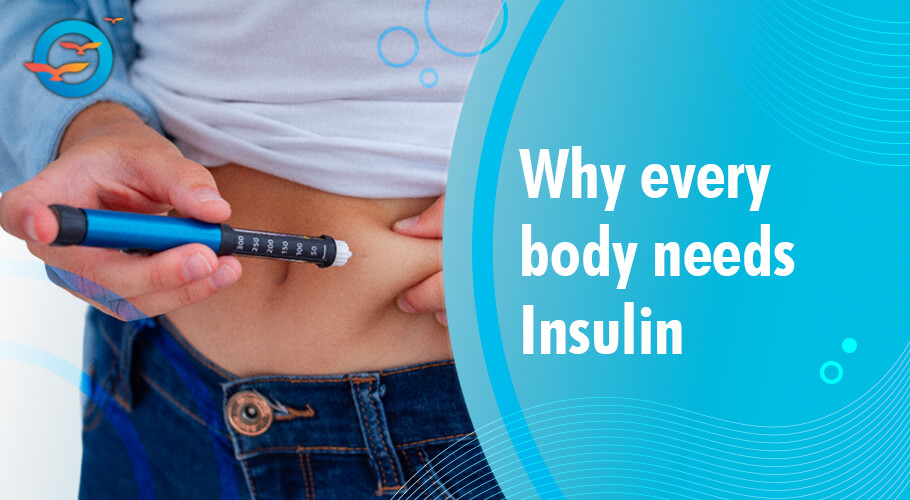
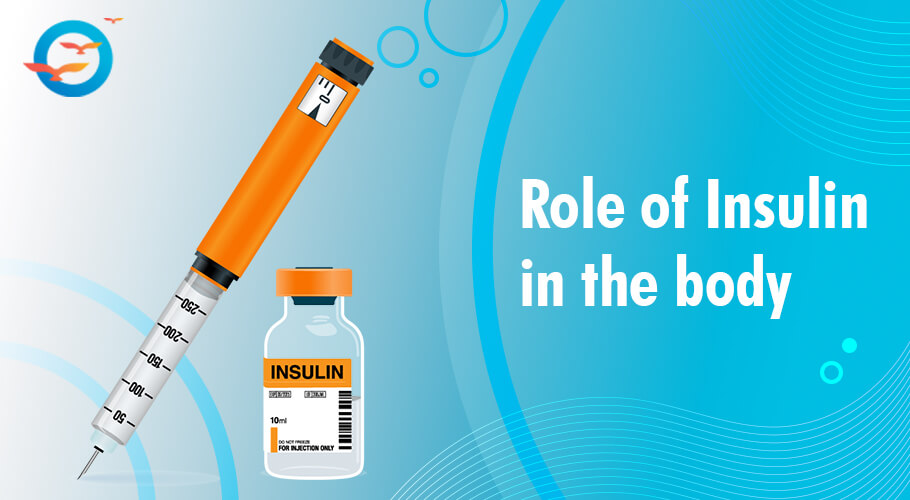
    Insulin is a hormone produced by beta cells that are situated in the pancreatic islets of Langerhans. The pancreatic beta cells, being sensitive to blood sugar levels, secrete insulin into the blood when glucose levels are high; and slow or stop the secretion if glucose levels are low.
    When you eat, the carbohydrate in your food is converted into glucose which floods the blood circulatory system. This excess of glucose prompts the pancreas to secrete insulin. The insulin unlocks cells in the body, allowing glucose to enter the cells, effectively dropping the concentration of glucose in the blood. About 70% of the glucose is used by your muscular-skeletal system, which is why exercise, especially muscle-building resistance exercises are so important for controlling type 2 diabetes.
    In addition to regulating blood sugar levels by sending glucose to muscle cells, insulin converts the excess glucose into fat, which is in effect a store for calories. Thus, when there is a surplus of calories—i.e. when you overconsume food—the glucose that is left over after the body’s cells have been filled is automatically converted into fat. Since diabetics generally have higher concentrations of insulin in the body, their tendency to gain weight is also higher. This is also why insulin-dependent diabetics are often overweight or suffer from obesity.
    Insulin is needed to enable the body to store glucose in your muscles or liver and convert excess glucose into fat as storage for future energy requirements. Lack of insulin impairs its ability to perform both these functions In its absence, the fat breaks down to create keto acids, which can trigger diabetic ketoacidosis, a potentially fatal condition, if levels grow too high.
    Insulin’s Effect on Different Parts of The Body
    1. Brain
     
    There is evidence that suggests that insulin promotes glucose absorption in the tissues of the spinal cord and certain parts of the brain. It also impacts other physiological functions such as memory, cogitation and the ability to keep the brain’s neural network healthy. Thus insulin resistance increases the risk of damage to the cognitive system and the risk of dementia.
    2. Kidneys

    High blood sugar can damage the tiny renal pathways in the kidney, affecting their ability to filter our creatinine and excrete it via urine. This is why diabetics tend to have high levels of creatinine in their systems. Over time this will lead to kidney damage and ultimately require dialysis or replacement.
    Browse full blog-
    https://www.freedomfromdiabetes.org/blog/post/role-of-insulin-in-the-human-body-ffd/2787
    Contact us :-
    Mob : +91-7776077760
    Email-Id : [email protected]
    Also connect with us on our website , Facebook page, and youtube
    Role of Insulin in human body : FFD Insulin is a hormone produced by beta cells that are situated in the pancreatic islets of Langerhans. The pancreatic beta cells, being sensitive to blood sugar levels, secrete insulin into the blood when glucose levels are high; and slow or stop the secretion if glucose levels are low. When you eat, the carbohydrate in your food is converted into glucose which floods the blood circulatory system. This excess of glucose prompts the pancreas to secrete insulin. The insulin unlocks cells in the body, allowing glucose to enter the cells, effectively dropping the concentration of glucose in the blood. About 70% of the glucose is used by your muscular-skeletal system, which is why exercise, especially muscle-building resistance exercises are so important for controlling type 2 diabetes. In addition to regulating blood sugar levels by sending glucose to muscle cells, insulin converts the excess glucose into fat, which is in effect a store for calories. Thus, when there is a surplus of calories—i.e. when you overconsume food—the glucose that is left over after the body’s cells have been filled is automatically converted into fat. Since diabetics generally have higher concentrations of insulin in the body, their tendency to gain weight is also higher. This is also why insulin-dependent diabetics are often overweight or suffer from obesity. Insulin is needed to enable the body to store glucose in your muscles or liver and convert excess glucose into fat as storage for future energy requirements. Lack of insulin impairs its ability to perform both these functions In its absence, the fat breaks down to create keto acids, which can trigger diabetic ketoacidosis, a potentially fatal condition, if levels grow too high. Insulin’s Effect on Different Parts of The Body 1. Brain   There is evidence that suggests that insulin promotes glucose absorption in the tissues of the spinal cord and certain parts of the brain. It also impacts other physiological functions such as memory, cogitation and the ability to keep the brain’s neural network healthy. Thus insulin resistance increases the risk of damage to the cognitive system and the risk of dementia. 2. Kidneys High blood sugar can damage the tiny renal pathways in the kidney, affecting their ability to filter our creatinine and excrete it via urine. This is why diabetics tend to have high levels of creatinine in their systems. Over time this will lead to kidney damage and ultimately require dialysis or replacement. Browse full blog- https://www.freedomfromdiabetes.org/blog/post/role-of-insulin-in-the-human-body-ffd/2787 Contact us :- Mob : +91-7776077760 Email-Id : [email protected] Also connect with us on our website , Facebook page, and youtube
    WWW.FREEDOMFROMDIABETES.ORG
    Understanding Insulin: Key to Diabetes Management - Freedom from Diabetes
    Learn about insulin's importance in the body and its role in managing diabetes. Understand how it controls blood sugar levels, crucial for diabetes care.
    0 Comments 0 Shares 31 Views 0 Reviews
  • 10 Things to Know About Insulin Regular Human Solution Usage
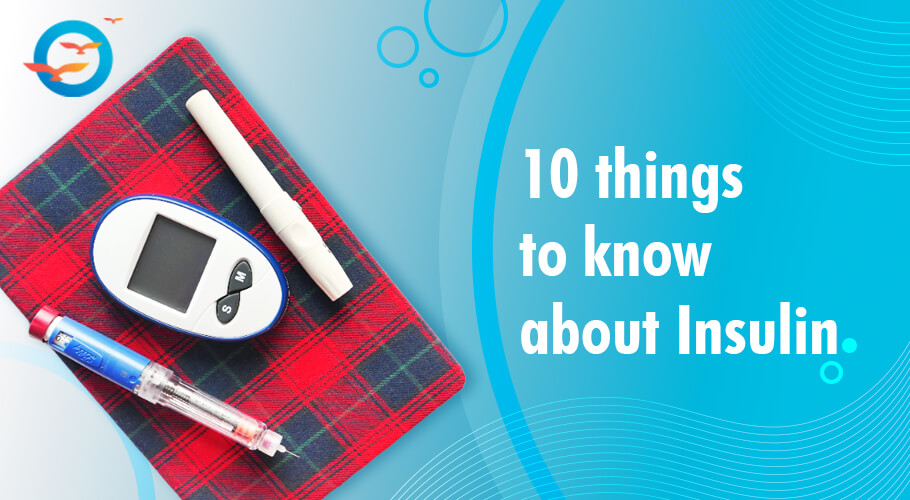
    Insulin is a hormone made in your pancreas. Its primary function is to transfer glucose from your bloodstream into your body’s cells, where the glucose is converted into energy. Sometimes, the body is unable to produce sufficient insulin or becomes resistant to its own insulin.
    This leads to glucose accumulating in the bloodstream, which in time leads to diabetes. Insulin Regular human is used in conjunction with a healthy diet and exercise to normalize blood sugar levels in patients with Type 1 or Type 2 Diabetes.
    It is a short-acting, artificial insulin that is similar to the insulin made in your pancreas. It has the same response to glucose and is used to control BSL and prevent diabetes complications. There is little doubt that insulin is a lifesaver for millions of diabetics worldwide. But, like all prescription drugs, it should be used with care to avoid potentially life-threatening situations.
    Here are 10 things every user ought to know about insulin regular human injection usage.
    1. Get familiar with preparations, usage, and storage

    Always read all the information provided along with the medication. If there is any doubt, always get it cleared by your doctor or pharmacist before using the formulation. Do not change brands of insulin unless advised by your doctor. Do not mix different types of insulin, unless prescribed by the doctor. If this has been prescribed to you, ensure you are well informed about the proper way to mix and inject the mixture.
    Insulin must be stored as directed. Exposure to heat or light can damage the solution. So, ensure you keep the medicine in a cool, dark place. If there are other insulin users in the home, make arrangements to store the insulin separately so they don’t get mixed up. Do not freeze insulin. And above all do not use it past its expiry date.
    2. Administer only as directed

    This medication must not be given in an insulin pump. It must be injected under the skin about half an hour prior to meals. Any delay in having the meal can lead to low blood sugar.
    If injecting Insulin regularly into a vein, it should only be done by a doctor or healthcare professional, as there is a risk of very low blood sugar if proper precautions are not taken.
    Browse full blog-
    https://www.freedomfromdiabetes.org/blog/post/10-things-to-know-about-insulin-regular-human-solution-usage/2833
    Contact us :-
    Mob : +91-7776077760
    Email-Id : [email protected]
    Also connect with us on our website , Facebook page, and youtube
    10 Things to Know About Insulin Regular Human Solution Usage Insulin is a hormone made in your pancreas. Its primary function is to transfer glucose from your bloodstream into your body’s cells, where the glucose is converted into energy. Sometimes, the body is unable to produce sufficient insulin or becomes resistant to its own insulin. This leads to glucose accumulating in the bloodstream, which in time leads to diabetes. Insulin Regular human is used in conjunction with a healthy diet and exercise to normalize blood sugar levels in patients with Type 1 or Type 2 Diabetes. It is a short-acting, artificial insulin that is similar to the insulin made in your pancreas. It has the same response to glucose and is used to control BSL and prevent diabetes complications. There is little doubt that insulin is a lifesaver for millions of diabetics worldwide. But, like all prescription drugs, it should be used with care to avoid potentially life-threatening situations. Here are 10 things every user ought to know about insulin regular human injection usage. 1. Get familiar with preparations, usage, and storage Always read all the information provided along with the medication. If there is any doubt, always get it cleared by your doctor or pharmacist before using the formulation. Do not change brands of insulin unless advised by your doctor. Do not mix different types of insulin, unless prescribed by the doctor. If this has been prescribed to you, ensure you are well informed about the proper way to mix and inject the mixture. Insulin must be stored as directed. Exposure to heat or light can damage the solution. So, ensure you keep the medicine in a cool, dark place. If there are other insulin users in the home, make arrangements to store the insulin separately so they don’t get mixed up. Do not freeze insulin. And above all do not use it past its expiry date. 2. Administer only as directed This medication must not be given in an insulin pump. It must be injected under the skin about half an hour prior to meals. Any delay in having the meal can lead to low blood sugar. If injecting Insulin regularly into a vein, it should only be done by a doctor or healthcare professional, as there is a risk of very low blood sugar if proper precautions are not taken. Browse full blog- https://www.freedomfromdiabetes.org/blog/post/10-things-to-know-about-insulin-regular-human-solution-usage/2833 Contact us :- Mob : +91-7776077760 Email-Id : [email protected] Also connect with us on our website , Facebook page, and youtube
    WWW.FREEDOMFROMDIABETES.ORG
    10 Important Facts About Using Regular Human Insulin Solution - Freedom from Diabetes
    What are the 10 important things to know about using Regular Human Insulin Solution. From how much to take to how to use it, this guide covers the basics.
    0 Comments 0 Shares 26 Views 0 Reviews
  • Insulin Explained: Why It’s Crucial for Diabetics
    Insulin. Is it a hormone or an enzyme, and why does it matter?
    Given that insulin is a chemical that activates a biological function, it is natural to wonder whether it is an enzyme or a hormone. Whereas both enzymes and hormones are chemicals and both are needed to activate biological functions, there is a critical difference between the two. Enzymes are basically catalysts, while hormones are like messengers who stimulate certain reactions in the body.
    Thus, insulin is a hormone and not an enzyme. Its presence in the blood enables glucose to enter the body’s cells, where it is used to create energy.
    Causes of insulin resistance
    Sometimes the insulin produced in the body stops functioning effectively. I.e. it is unable to open cells for glucose in the blood to enter. This leads to an accumulation of glucose in the blood, which is what we call High Blood Sugar. Over time, if ignored or inadequately treated this will result in diabetes and all the ills that diabetes brings, including high BP, kidney disorders, cardiac damage, etc.
    Insulin types and their uses
    Sometimes, as in the case of Type 1 diabetes, it is not possible to manage the condition with diet, exercise and stress management, and even oral medication. In these cases, external administration of insulin is required. However, as we know, blood sugar management is a 24x7 affair. In other words, the body needs to maintain normal glucose levels day and night, during meals, to do this efficiently the body needs insulin for long-term needs as well as when there is a large intake of glucose, i.e. mealtimes.

    Browse full blog-
    https://www.freedomfromdiabetes.org/blog/post/diabetic-insulin-and-its-importance/2834

    Contact us :-
    Mob : +91-7776077760
    Email-Id : [email protected]
    Also connect with us on our website , Facebook page, and youtube
    Insulin Explained: Why It’s Crucial for Diabetics Insulin. Is it a hormone or an enzyme, and why does it matter? Given that insulin is a chemical that activates a biological function, it is natural to wonder whether it is an enzyme or a hormone. Whereas both enzymes and hormones are chemicals and both are needed to activate biological functions, there is a critical difference between the two. Enzymes are basically catalysts, while hormones are like messengers who stimulate certain reactions in the body. Thus, insulin is a hormone and not an enzyme. Its presence in the blood enables glucose to enter the body’s cells, where it is used to create energy. Causes of insulin resistance Sometimes the insulin produced in the body stops functioning effectively. I.e. it is unable to open cells for glucose in the blood to enter. This leads to an accumulation of glucose in the blood, which is what we call High Blood Sugar. Over time, if ignored or inadequately treated this will result in diabetes and all the ills that diabetes brings, including high BP, kidney disorders, cardiac damage, etc. Insulin types and their uses Sometimes, as in the case of Type 1 diabetes, it is not possible to manage the condition with diet, exercise and stress management, and even oral medication. In these cases, external administration of insulin is required. However, as we know, blood sugar management is a 24x7 affair. In other words, the body needs to maintain normal glucose levels day and night, during meals, to do this efficiently the body needs insulin for long-term needs as well as when there is a large intake of glucose, i.e. mealtimes. Browse full blog- https://www.freedomfromdiabetes.org/blog/post/diabetic-insulin-and-its-importance/2834 Contact us :- Mob : +91-7776077760 Email-Id : [email protected] Also connect with us on our website , Facebook page, and youtube
    WWW.FREEDOMFROMDIABETES.ORG
    Diabetic: Insulin and its importance - Freedom from Diabetes
    Lets understand crucial role in insulin in diabetes, causes, symptoms, treatment. Learn importance of insulin for diabetics and how it impacts overall health.
    0 Comments 0 Shares 14 Views 0 Reviews
  • Chia Seeds benefits for Diabetes
    Health Benefits of Chia Seeds
    You must have heard the common phrase "Chota packet bada dhamaka" There are certain people, items, things, foods which even though are small compared to others have great qualities in them and we just can't ignore them. Chia seeds are one such food item.
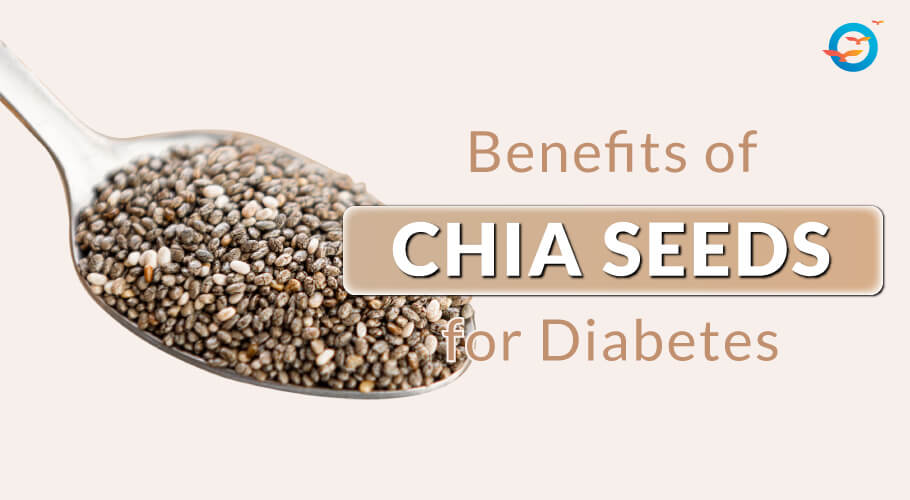
    Chia seeds are small seeds black in color obtained from the plant Salvia hispanica.  It is an important food due to its ability to provide sustainable energy. The fact is it has got its name “chia” from a Mayan word for “strength.”
    Chia Seeds Benefits 
    1. Loaded with antioxidants 
    Chia seeds supersede others due to their high antioxidant content in such a tiny state. 
    Antioxidants are of great help in protecting the delicate fats present in the seeds along with various health benefits.
    2. Interesting fact about carbohydrates in chia seeds 
    If you take 28 grams of chia seeds you will get 12 grams of carbs and out of the 11 grams of fiber is non-digestible and neither raises blood sugar nor requires insulin for it. 
    How to use chia seeds in the diet?
    Since the seeds taste is bland, we can add them to any food item.
    One can have chia seeds in the raw form or soaked and used in a smoothie also.  One can sprinkle them on salads.
    You want to know about sesame seeds benefits for diabetes, visit here.
    To summarize, chia seeds are rich in fiber, antioxidants, nutrients, omega-3 fat very much useful for everybody's good health.
    Interestingly, most of its qualities help people with diabetes also.
    Browse full blog-
    https://www.freedomfromdiabetes.org/blog/post/chia-seeds-benefits-in-diabetes-controlling/1547
    Contact us :-
    Mob : +91-7776077760
    Email-Id : [email protected]
    Also connect with us on our website , Facebook page, and youtube
    Chia Seeds benefits for Diabetes Health Benefits of Chia Seeds You must have heard the common phrase "Chota packet bada dhamaka" There are certain people, items, things, foods which even though are small compared to others have great qualities in them and we just can't ignore them. Chia seeds are one such food item. Chia seeds are small seeds black in color obtained from the plant Salvia hispanica.  It is an important food due to its ability to provide sustainable energy. The fact is it has got its name “chia” from a Mayan word for “strength.” Chia Seeds Benefits  1. Loaded with antioxidants  Chia seeds supersede others due to their high antioxidant content in such a tiny state.  Antioxidants are of great help in protecting the delicate fats present in the seeds along with various health benefits. 2. Interesting fact about carbohydrates in chia seeds  If you take 28 grams of chia seeds you will get 12 grams of carbs and out of the 11 grams of fiber is non-digestible and neither raises blood sugar nor requires insulin for it.  How to use chia seeds in the diet? Since the seeds taste is bland, we can add them to any food item. One can have chia seeds in the raw form or soaked and used in a smoothie also.  One can sprinkle them on salads. You want to know about sesame seeds benefits for diabetes, visit here. To summarize, chia seeds are rich in fiber, antioxidants, nutrients, omega-3 fat very much useful for everybody's good health. Interestingly, most of its qualities help people with diabetes also. Browse full blog- https://www.freedomfromdiabetes.org/blog/post/chia-seeds-benefits-in-diabetes-controlling/1547 Contact us :- Mob : +91-7776077760 Email-Id : [email protected] Also connect with us on our website , Facebook page, and youtube
    WWW.FREEDOMFROMDIABETES.ORG
    Benefits of Chia Seeds for Diabetes - Freedom from Diabetes
    Benefits of chia seeds for controlling diabetes. These nutrient-dense seeds help reduce blood sugar levels and inflammation, supporting overall wellness.
    0 Comments 0 Shares 30 Views 0 Reviews
  • Is Flax Seed oil Safe for Diabetes?
    Flaxseeds for Diabetes
    The number of people suffering from diabetes is rising day by day and so is the number of pre-diabetics. Sensing the alarming situation, doctors and researchers are trying to figure out what food, and what medicine can really help in lowering blood sugar levels effectively.  
    Does flaxseed oil lower blood sugar?
    Flaxseed oil has several health-promoting compounds with the potential to lower blood sugar levels and delay the development of type 2 diabetes. In this article, we will discuss flaxseed oil (linseed oil) and its unique benefits in relation to diabetes.
    Flaxseed oil Benefits 
    1.Ii contains ALA (alpha-linolenic acid) one particular type of omega-3 fatty acid.
    2.This ALA is converted to EPA (eicosapentaenoic acid) and DHA (docosahexaenoic acid) in the body with the help of vitamins, minerals, and enzymes.
    3.One should consume at least 1 to 3 tablespoons daily.
    4.About 7 grams per tablespoon of linseed oil is by far the richest source of ALA.
    5.Research shows that consuming 1 to 3 tablespoons will guarantee conversion of ALA to 0.5 grams of EPA and DHA.
    What are the disadvantages of flaxseed oil?
    1.Research shows that consuming a lot of ALA is highly beneficial as it boosts blood levels of EPA, but does not have an effect on the DHA levels of blood. DHA is one of the most important fats needed for the brain.
    2.ALA must be converted to a limited supply of EPA and DHA. Only 10% to 15% has omega-3’s effects on the body. The remaining 80% to 95% is burned up as energy or metabolized.
    3.Higher omega-3 levels in the blood will longer the bleeding time and slower clotting time.
    4.Those who are allergic to flaxseeds should not consume flaxseed oil.
    Browse full blog-
    https://www.freedomfromdiabetes.org/blog/post/is-flax-seed-oil-safe-for-diabetes/393
    Contact us :-
    Mob : +91-7776077760
    Email-Id : [email protected]
    Is Flax Seed oil Safe for Diabetes? Flaxseeds for Diabetes The number of people suffering from diabetes is rising day by day and so is the number of pre-diabetics. Sensing the alarming situation, doctors and researchers are trying to figure out what food, and what medicine can really help in lowering blood sugar levels effectively.   Does flaxseed oil lower blood sugar? Flaxseed oil has several health-promoting compounds with the potential to lower blood sugar levels and delay the development of type 2 diabetes. In this article, we will discuss flaxseed oil (linseed oil) and its unique benefits in relation to diabetes. Flaxseed oil Benefits  1.Ii contains ALA (alpha-linolenic acid) one particular type of omega-3 fatty acid. 2.This ALA is converted to EPA (eicosapentaenoic acid) and DHA (docosahexaenoic acid) in the body with the help of vitamins, minerals, and enzymes. 3.One should consume at least 1 to 3 tablespoons daily. 4.About 7 grams per tablespoon of linseed oil is by far the richest source of ALA. 5.Research shows that consuming 1 to 3 tablespoons will guarantee conversion of ALA to 0.5 grams of EPA and DHA. What are the disadvantages of flaxseed oil? 1.Research shows that consuming a lot of ALA is highly beneficial as it boosts blood levels of EPA, but does not have an effect on the DHA levels of blood. DHA is one of the most important fats needed for the brain. 2.ALA must be converted to a limited supply of EPA and DHA. Only 10% to 15% has omega-3’s effects on the body. The remaining 80% to 95% is burned up as energy or metabolized. 3.Higher omega-3 levels in the blood will longer the bleeding time and slower clotting time. 4.Those who are allergic to flaxseeds should not consume flaxseed oil. Browse full blog- https://www.freedomfromdiabetes.org/blog/post/is-flax-seed-oil-safe-for-diabetes/393 Contact us :- Mob : +91-7776077760 Email-Id : [email protected]
    WWW.FREEDOMFROMDIABETES.ORG
    Is flax seed oil safe for diabetes - Freedom from Diabetes
    Discover if flaxseed oil is safe for diabetes management. Explore benefits and precautions for incorporating it into your diet.
    0 Comments 0 Shares 19 Views 0 Reviews
  • Tunnel Construction in India | NATM & Drill and Blast Experts – Mewara Mining Services

    India's terrain doesn't make tunneling easy. Between the hard Deccan basalt of the Western Ghats and the unpredictable mixed-face geology of the Himalayan foothills, every tunnel project is its own engineering puzzle. Yet tunnels remain one of the most critical pieces of India's infrastructure story — connecting road corridors, powering railway expansion, feeding irrigation networks, and housing underground powerhouses for the country's growing energy needs.
    This is exactly the kind of work Mewara Group has built its identity around. As one of the best tunnel work companies in India, Mewara Group has spent over four decades mastering both NATM (New Austrian Tunnelling Method) and conventional Drill & Blast tunneling — and in this post, we go in-depth on how that expertise actually translates into safe, precise, on-schedule tunnel delivery.

    You deserve the best in mining and blasting solutions. Contact us now: https://mewara.com/ContactUs/
    Tunnel Construction in India | NATM & Drill and Blast Experts – Mewara Mining Services India's terrain doesn't make tunneling easy. Between the hard Deccan basalt of the Western Ghats and the unpredictable mixed-face geology of the Himalayan foothills, every tunnel project is its own engineering puzzle. Yet tunnels remain one of the most critical pieces of India's infrastructure story — connecting road corridors, powering railway expansion, feeding irrigation networks, and housing underground powerhouses for the country's growing energy needs. This is exactly the kind of work Mewara Group has built its identity around. As one of the best tunnel work companies in India, Mewara Group has spent over four decades mastering both NATM (New Austrian Tunnelling Method) and conventional Drill & Blast tunneling — and in this post, we go in-depth on how that expertise actually translates into safe, precise, on-schedule tunnel delivery. You deserve the best in mining and blasting solutions. Contact us now: https://mewara.com/ContactUs/
    MEWARA.COM
    Contact Us | Mewara Group India
    Contact Mewara Group for tunneling, blasting, roads and infrastructure project enquiries across Maharashtra and India. Pune head office.
    0 Comments 0 Shares 100 Views 0 Reviews
  • They are also beneficial for maintaining gut health and reducing acidity. At Layers Clinics, holistic wellness guidance focuses on combining nutrition and lifestyle care for better health outcomes. Sabja seeds can support detoxification and boost energy levels naturally. With proper dietary planning and expert advice, they contribute to overall fitness, skin health, and long-term well-being effectively. For daily consumption safely always. Visit here for more info :- https://www.layersclinics.com/sabja-seeds-benefits/
    They are also beneficial for maintaining gut health and reducing acidity. At Layers Clinics, holistic wellness guidance focuses on combining nutrition and lifestyle care for better health outcomes. Sabja seeds can support detoxification and boost energy levels naturally. With proper dietary planning and expert advice, they contribute to overall fitness, skin health, and long-term well-being effectively. For daily consumption safely always. Visit here for more info :- https://www.layersclinics.com/sabja-seeds-benefits/
    0 Comments 0 Shares 173 Views 0 Reviews
  • Global 5-Aminotetrazolium Market: Pharmaceutical Industry Leads Applications, Automotive Safety Systems & Energy Storage Drive Growth

    Download FREE Sample Report: https://www.24chemicalresearch.com/download-sample/269367/global-aminotetrazolium-forecast-market-2024-2030-358
    Global 5-Aminotetrazolium Market: Pharmaceutical Industry Leads Applications, Automotive Safety Systems & Energy Storage Drive Growth Download FREE Sample Report: https://www.24chemicalresearch.com/download-sample/269367/global-aminotetrazolium-forecast-market-2024-2030-358
    Sample Report: 5-Aminotetrazolium Market, Global Outlook and Forecast 2026-2033
    Download Sample Report PDF : Global 5-Aminotetrazolium market was valued at USD 1.73 billion in 2024 and is projected to reach USD 2.97 billion by 2032, at a CAGR of 7.1% during the forecast period.
    0 Comments 0 Shares 389 Views 0 Reviews
  • Global 5-Aminotetrazolium Market: Pharmaceutical Industry Leads Applications, Automotive Safety Systems & Energy Storage Drive Growth

    Download FREE Sample Report: https://www.24chemicalresearch.com/download-sample/269367/global-aminotetrazolium-forecast-market-2024-2030-358
    Global 5-Aminotetrazolium Market: Pharmaceutical Industry Leads Applications, Automotive Safety Systems & Energy Storage Drive Growth Download FREE Sample Report: https://www.24chemicalresearch.com/download-sample/269367/global-aminotetrazolium-forecast-market-2024-2030-358
    Sample Report: 5-Aminotetrazolium Market, Global Outlook and Forecast 2026-2033
    Download Sample Report PDF : Global 5-Aminotetrazolium market was valued at USD 1.73 billion in 2024 and is projected to reach USD 2.97 billion by 2032, at a CAGR of 7.1% during the forecast period.
    0 Comments 0 Shares 380 Views 0 Reviews
  • https://m2squareconsultancy.com/reports/thermal-energy-storage-systems-market
    https://m2squareconsultancy.com/reports/thermal-energy-storage-systems-market
    M2SQUARECONSULTANCY.COM
    Thermal Energy Storage Systems Market Size, Share to 2033
    The global thermal energy storage systems market will grow from USD 5.5B in 2025 to USD 12.5B by 2033, at a strong CAGR of 11.1% during the forecast.
    0 Comments 0 Shares 178 Views 0 Reviews
  • Specialty Green Chemicals Market Outpaces Conventional Petrochemicals with 6.5% CAGR, Bio-Based Solvents and Enzymes Enable Lower Energy Consumption and Waste Generation

    Download FREE Sample Report: https://www.24chemicalresearch.com/download-sample/311807/specialty-green-chemicals-market
    Specialty Green Chemicals Market Outpaces Conventional Petrochemicals with 6.5% CAGR, Bio-Based Solvents and Enzymes Enable Lower Energy Consumption and Waste Generation Download FREE Sample Report: https://www.24chemicalresearch.com/download-sample/311807/specialty-green-chemicals-market
    Sample Report: Specialty Green Chemicals Market Research Report 2026-2034 (Status and Outlook)
    Download Sample Report PDF : Global Specialty Green Chemicals market valued at USD 68,000M in 2025, projected to reach USD 115,000M by 2034, at a CAGR of 6.5% over the forecast period.
    0 Comments 0 Shares 188 Views 0 Reviews
More Results