


Wear Parts and Components for Construction Equipment: Ensuring Performance, Durability, and Efficiency
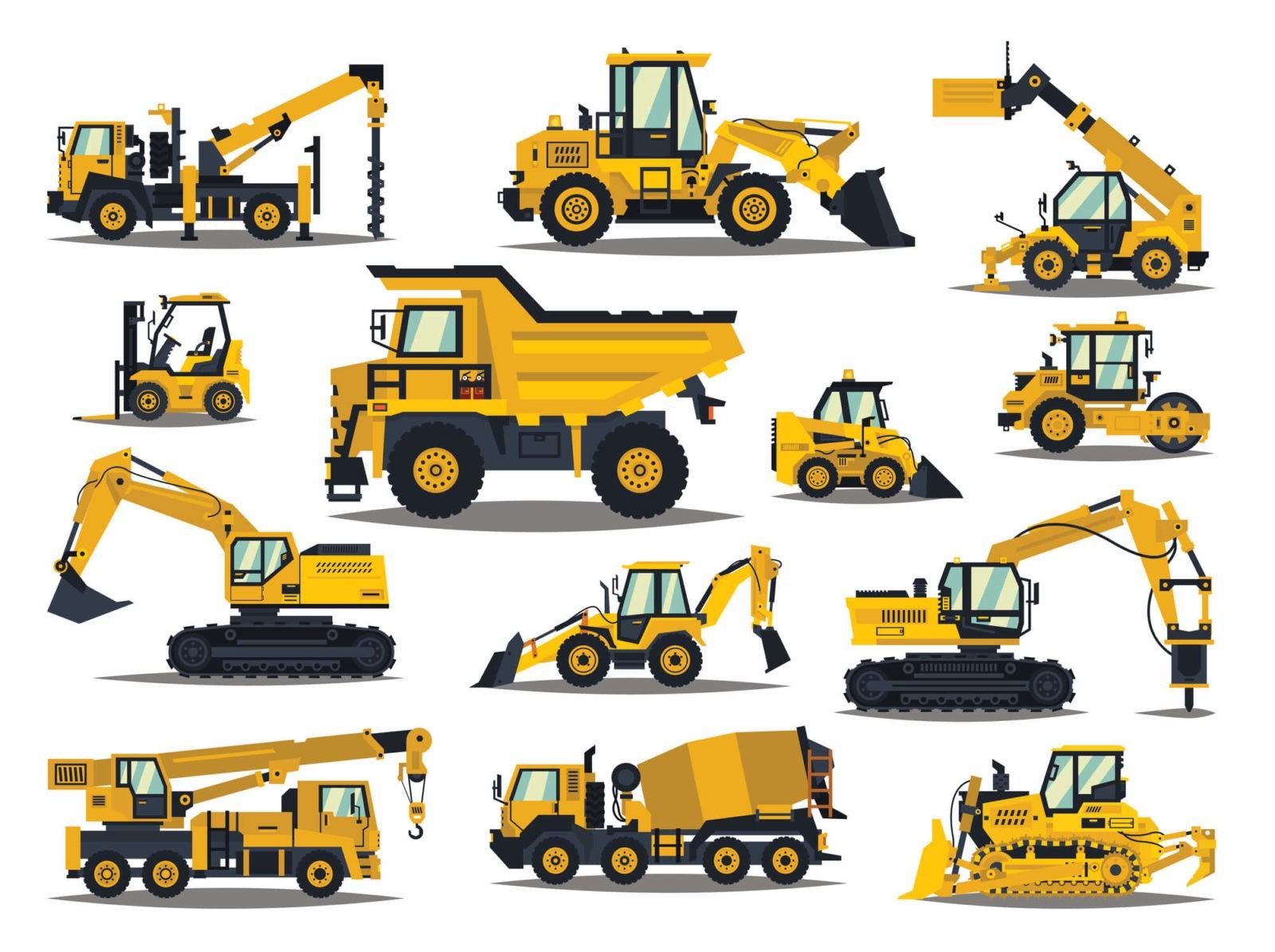
Construction equipment operates in some of the harshest working environments in the world. From rocky excavation sites and heavy demolition zones to continuous earthmoving and material handling, machines are constantly exposed to abrasion, impact, heat, and pressure. To withstand these conditions, every machine relies on wear parts and components that protect critical systems and maintain productivity.
Wear parts are not just replaceable items—they are essential performance elements that directly influence equipment efficiency, operating cost, and machine lifespan. Understanding their importance helps contractors reduce downtime, improve productivity, and maximize return on investment.
What Are Wear Parts and Components?
Wear Parts and Components for Construction Equipment are replaceable machine parts designed to absorb friction, impact, and abrasion during operation. Instead of allowing damage to spread to the main machine structure, these components take the load and gradually wear out over time.
They are commonly used in:
Excavators
Loaders
Bulldozers
Graders
Trenchers
Drilling rigs
Crushing and screening equipment
Underground utility machinery
These components are engineered to be replaced regularly, ensuring that heavy equipment continues operating at peak performance.
Key Types of Wear Parts in Construction Equipment
Ground Engaging Tools (G.E.T.)
Ground engaging tools are among the most important wear components in construction machinery. They directly interact with soil, rock, and other materials.
Common G.E.T. parts include:
Bucket teeth
Adapters
Cutting edges
Blades
Ripper tips
These components improve digging efficiency and protect buckets and blades from excessive wear.
Hydraulic Systems Wear Components
Hydraulic systems power most modern construction equipment. Key wear components include seals, hoses, fittings, and cylinders. Over time, pressure and fluid exposure cause these parts to degrade.
Common hydraulic wear components:
Hydraulic seals
Hoses and fittings
Pump components
Cylinder rods and seals
Proper maintenance of hydraulic components ensures smooth machine operation and prevents costly breakdowns.
Undercarriage Components
The undercarriage is one of the most heavily stressed areas of tracked machinery and often represents a major portion of maintenance costs.
Key undercarriage wear parts include:
Track chains
Track shoes
Rollers (carrier and track rollers)
Idlers
Sprockets
These components provide mobility and stability, especially in rough terrain conditions.
Engine and Powertrain Components
Engine wear parts are critical for ensuring reliable power delivery. Continuous operation under heavy loads causes gradual wear over time.
Common components include:
Filters (air, oil, fuel)
Bearings
Pistons and rings
Gaskets
Belts and pulleys
Proper engine maintenance ensures fuel efficiency and reduces breakdown risks.
Wear Plates and Liners
Wear plates and liners protect machine structures from direct contact with abrasive materials. They are commonly installed in buckets, hoppers, crushers, and loaders.
Benefits include:
Extended equipment life
Reduced structural damage
Lower repair costs
Improved durability in high-impact zones
Importance of Wear Parts in Construction Equipment
Increased Equipment Lifespan
Regular replacement of wear components prevents damage to core machine structures, significantly extending equipment life.
Improved Productivity
Sharp, durable, and well-maintained parts improve machine efficiency and reduce cycle times in excavation and material handling tasks.
Reduced Downtime
Unexpected breakdowns can delay entire projects. High-quality wear parts minimize failure risks and keep machines operational.
Cost Efficiency
Although wear parts require replacement, they are far more cost-effective than repairing or replacing major machine components.
Role of Wear Parts in Heavy-Duty Applications
Construction environments vary widely, and wear parts must be suited to specific conditions:
Mining and Quarrying
Extreme abrasion requires highly durable components such as reinforced bucket teeth and heavy-duty liners.
Road Construction
Cutting edges and grader blades are essential for smooth and accurate surface preparation.
Demolition Work
High-impact conditions demand reinforced buckets, hydraulic protection systems, and strong wear plates.
Underground Utility Work
Precision-based operations rely on durable but precise components that ensure accuracy and safety.
Signs That Wear Parts Need Replacement
Recognizing wear early helps avoid costly equipment damage. Common indicators include:
Reduced digging or cutting efficiency
Visible cracks or deformation
Increased fuel consumption
Hydraulic leaks or pressure loss
Excessive vibration during operation
Uneven machine performance
Timely replacement is critical to maintaining safe and efficient operations.
Benefits of High-Quality Wear Components
Choosing premium-grade wear parts offers significant long-term advantages:
Longer service life
Better resistance to abrasion and impact
Improved machine efficiency
Reduced maintenance frequency
Lower total operating costs
Enhanced safety for operators
Low-quality parts may be cheaper initially but often fail faster, increasing long-term expenses.
OEM vs Aftermarket Wear Parts
Contractors often choose between OEM and aftermarket components.
OEM (Original Equipment Manufacturer)
OEM parts are designed by the original machine manufacturer and provide:
Perfect fit
Guaranteed compatibility
Reliable performance
Aftermarket Parts
High-quality aftermarket parts can offer:
Lower cost
Wide availability
Comparable performance (if sourced from trusted suppliers)
The key is selecting reputable suppliers who maintain strict quality standards.
Maintenance Best Practices for Wear Parts
Proper maintenance ensures maximum performance and lifespan:
Perform routine inspections
Replace worn components early
Use proper lubrication
Monitor machine performance
Keep spare parts inventory ready
Follow manufacturer guidelines
Preventive maintenance is always more cost-effective than reactive repairs.
Choosing the Right Supplier for Wear Parts
A reliable supplier plays a crucial role in equipment performance. Important factors include:
Product quality and material standards
Availability of parts inventory
Technical support and expertise
Fast delivery and logistics support
Compatibility with multiple machine brands
Trusted suppliers help contractors reduce downtime and improve operational efficiency.
Conclusion
Wear parts and components are essential to the performance, safety, and efficiency of construction equipment. From ground engaging tools and hydraulic systems to undercarriage and engine components, every part plays a critical role in keeping machinery operational under demanding conditions.
Investing in high-quality wear components, maintaining regular replacement schedules, and partnering with reliable suppliers ensures maximum equipment lifespan, reduced downtime, and improved productivity. In modern construction environments, wear parts are not just consumables—they are key contributors to operational success and cost efficiency.

 English
 Arabic
 French
 Spanish
 Portuguese
 Deutsch
 Dutch
Dutch
 Italiano
 Russian
 Romaian
 Portuguese (Brazil)
 Greek
Greek