


Signs You Need Medical Help Despite Home Catheter Care
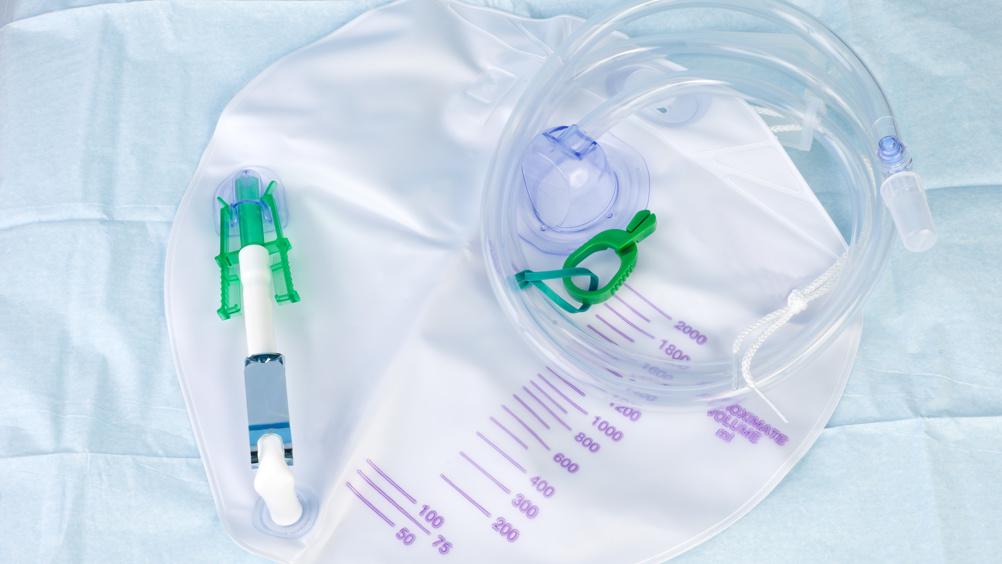
Even with proper hygiene and routine management, catheter users may still experience complications that require professional attention. In Catheter Care at Home Dubai, families are trained to recognize warning signs early to prevent serious health risks. Support from a Doctor at Home can be crucial when symptoms escalate, ensuring timely intervention and reducing the need for emergency hospital visits. Knowing when home care is no longer enough is essential for patient safety and comfort.
Persistent Fever or Chills:
Fever or chills often indicate an underlying infection that may be related to the urinary tract or catheter system. These symptoms should never be ignored, especially in catheter users.
Important indicators include:
- Body temperature consistently above normal range
- Shivering or chills without obvious cause
- Weakness or fatigue accompanying fever
- Lack of improvement after basic home care
- Possible progression to urinary tract infection
Cloudy, Bloody, or Foul-Smelling Urine:
Changes in urine appearance or smell can signal infection or other complications requiring medical evaluation.
Warning signs include:
- Cloudy urine that persists over time
- Presence of blood or pinkish discoloration
- Strong, unpleasant odor from urine
- Sudden change in urine consistency
- Reduced clarity despite proper hydration
Severe Pain or Discomfort:
Pain is a strong indicator that something is wrong and should be assessed promptly.
Concerning pain symptoms include:
- Sharp or burning pain during urination
- Lower abdominal or bladder pressure
- Pain around catheter insertion site
- Increasing discomfort despite adjustments
- Pain not relieved by repositioning or basic care
Reduced or No Urine Output:
A sudden drop in urine output or complete blockage can be a medical emergency.
Key signs include:
- Minimal or no urine in drainage bag
- Swelling or pressure in lower abdomen
- Kinked or obstructed catheter tubing
- No improvement after repositioning
- Need for urgent intervention from a Doctor at Home
Leakage Around the Catheter Site:
Leakage may indicate blockage, improper placement, or infection and should be monitored closely.
Important observations include:
- Urine leaking around catheter instead of draining properly
- Wetness or irritation around insertion site
- Frequent need to change clothing or bedding
- Possible discomfort or bladder spasms
- Persistent leakage despite adjustments
Swelling or Redness at Insertion Site:
Local inflammation can indicate infection or tissue irritation that requires medical attention.
Signs to watch for include:
- Redness spreading around catheter entry point
- Swelling or tenderness near the site
- Warmth or discomfort when touched
- Pus or unusual discharge
- Worsening condition over time
Unexplained Fatigue or Weakness:
Systemic symptoms can suggest that infection is spreading or the body is under stress.
Warning indicators include:
- Sudden drop in energy levels
- Difficulty performing daily activities
- Loss of appetite or general malaise
- Confusion or unusual behavior in severe cases
- Symptoms not improving with rest
Catheter Blockage or Difficulty Draining:
Blocked catheters can quickly lead to pain and complications if not addressed.
Signs include:
- No urine flow despite adequate hydration
- Visible kinks or obstruction in tubing
- Full bladder sensation with no drainage
- Frequent alarms or bag pressure buildup
- Need for urgent medical support
Recurrent Infections Despite Care:
Repeated infections suggest underlying issues that cannot be managed at home alone.
Indicators include:
- Multiple infection episodes within a short period
- Antibiotic treatments with limited improvement
- Persistent urinary symptoms
- Ongoing discomfort or irritation
- Requirement for specialized review under Catheter Care at Home Dubai guidance
When Home Care Is No Longer Enough:
There are situations where professional medical intervention is necessary for safety.
Seek help when:
- Symptoms worsen despite proper home care
- Multiple warning signs appear together
- Catheter complications become frequent
- Pain, fever, or blockage persists
- Immediate evaluation from a Doctor at Home is required
Final Thoughts:
Recognizing warning signs early is essential for preventing serious complications in catheter users. While home care routines are effective for daily management, certain symptoms require immediate medical attention. With support from Catheter Care at Home Dubai services and timely intervention from a Doctor at Home, patients can avoid complications, receive prompt treatment, and maintain better overall health. Awareness, observation, and quick response are key to safe and effective catheter care at home.

 English
 French
 Spanish
 Portuguese
 Deutsch
 Turkish
 Dutch
Dutch
 Italiano
 Russian
 Romaian
 Portuguese (Brazil)
 Greek
Greek