


Why Your Grass Cutting Machine Leaves Uneven Cuts and How to Fix It
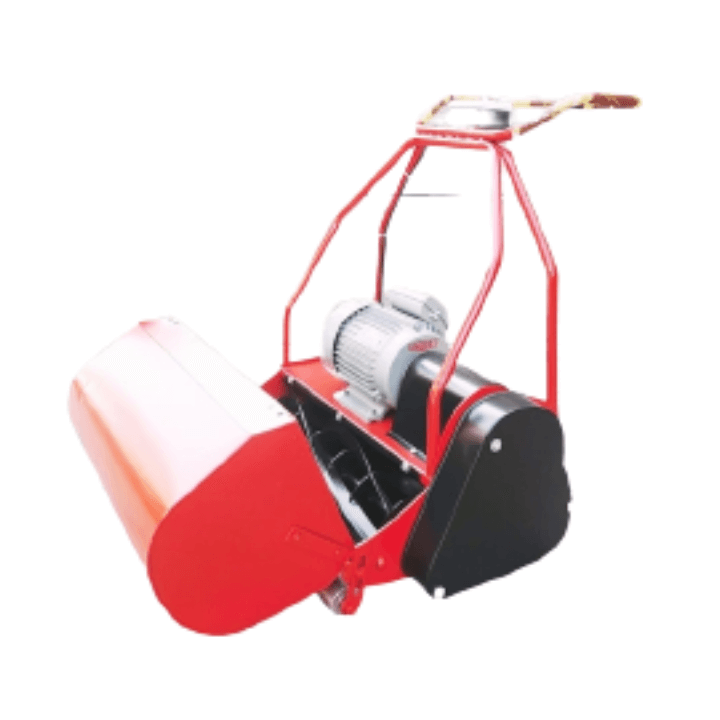
A healthy and attractive lawn can significantly improve the appearance of any home, commercial property, farm, or garden. Whether you maintain a small residential lawn or a large green area, achieving a smooth and even cut is one of the most important goals when mowing grass. However, many users experience a common problem: their Grass Cutting Machine leaves patches, uneven lines, or sections of grass that appear longer than others.
Uneven cuts can make even a well-maintained lawn look neglected. Fortunately, this issue is often caused by a few common factors that can be identified and corrected without replacing the machine. Understanding the reasons behind uneven mowing patterns can help improve lawn quality, extend equipment life, and save maintenance costs.
By understanding how your Grass Cutting Machine operates and following a regular maintenance schedule, you can significantly improve lawn quality and achieve professional-looking results. Whether you maintain a residential garden, commercial property, or agricultural landscape, proper mower care ensures cleaner cuts, healthier grass, and a more attractive outdoor environment.
At GrassCuttingMachine.pk, customers frequently ask why their mower fails to deliver a clean and consistent finish. In this guide, we will explore the most common causes of uneven cuts and explain practical solutions that can help restore your lawn's appearance.
Understanding Uneven Grass Cuts
Before fixing the problem, it is important to understand what uneven cutting looks like.
Common signs include:
- Strips of taller grass after mowing
- Uneven mowing patterns
- Scalped lawn sections
- Jagged grass tips
- Patchy lawn appearance
- Different cutting heights across the lawn
These issues can occur regardless of whether you use a manual, electric, petrol-powered, or ride-on mower.
Dull or Damaged Blades
One of the most common causes of uneven mowing is a dull blade.
Grass blades should be cut cleanly. When mower blades become dull, they tear grass instead of cutting it properly. This results in rough, uneven surfaces and unhealthy grass growth.
Signs of Dull Blades
- Brown grass tips
- Torn grass edges
- Uneven mowing results
- Increased mowing time
- Poor cutting performance
How to Fix It
Inspect mower blades regularly. Sharpen them when they begin showing signs of wear. If the blade is cracked, bent, or heavily damaged, replace it immediately.
Experts recommend sharpening blades several times during the mowing season, especially when mowing large areas.
Uneven Tire Pressure
Many lawn owners overlook tire pressure when diagnosing mowing problems.
If one tire has lower pressure than the others, the mower deck becomes tilted. As a result, one side cuts lower while the other cuts higher.
How to Fix It
Check tire pressure before mowing.
Ensure that:
- All tires have equal pressure
- Tire specifications match manufacturer recommendations
- Damaged tires are repaired or replaced
Balanced tire pressure helps maintain a consistent cutting height across the entire lawn.
Incorrect Deck Level
The mower deck plays a critical role in achieving uniform cuts.
Over time, mower decks may become unbalanced due to:
- Frequent use
- Rough terrain
- Impact damage
- Loose components
An uneven deck causes the blade to cut at different heights.
How to Fix It
Measure deck height on all sides.
Adjust the mower deck according to manufacturer guidelines to ensure it remains level.
Regular deck inspections can prevent uneven cutting issues before they become serious.
Cutting Wet Grass
Many homeowners mow immediately after rainfall or watering. Wet grass can create several mowing challenges.
Wet grass tends to:
- Bend rather than stand upright
- Clump underneath the deck
- Stick to blades
- Cause inconsistent cutting
This often leaves patches of uncut or unevenly cut grass.
How to Fix It
Allow grass to dry before mowing.
Dry grass stands upright, allowing blades to cut evenly and efficiently.
Mowing under dry conditions also reduces machine wear and improves lawn appearance.
Mowing Too Fast
Speed affects cutting quality more than many people realize.
When operators move too quickly, the mower may not have sufficient time to process and cut grass evenly.
This can result in:
- Missed grass sections
- Uneven cutting lines
- Patchy lawn appearance
How to Fix It
Reduce mowing speed, especially when:
- Grass is tall
- The terrain is uneven
- The lawn is dense
- Turning corners
A slower pace allows the machine to perform more accurately.
Worn-Out Mower Components
Like any mechanical equipment, mowers experience wear over time.
Commonly worn parts include:
- Spindles
- Bearings
- Belts
- Wheels
- Blade mounts
When these components deteriorate, cutting performance suffers.
How to Fix It
Perform routine maintenance and inspections.
Replace worn parts promptly to maintain consistent mowing performance and prevent more expensive repairs later.
Grass Is Too Tall
Allowing grass to grow excessively between mowing sessions can create uneven cuts.
Tall grass often bends under its own weight, making it difficult for blades to cut consistently.
How to Fix It
Follow the one-third rule.
Never remove more than one-third of the grass height in a single mowing session.
For extremely tall grass:
- Mow at a higher setting first
- Lower the deck gradually
- Make a second pass if necessary
This approach produces a cleaner and healthier lawn.
Clogged Mower Deck
Grass clippings frequently accumulate beneath the mower deck.
A clogged deck can:
- Restrict airflow
- Reduce cutting efficiency
- Cause uneven clipping distribution
- Affect blade performance
How to Fix It
Clean the deck after each mowing session.
Removing accumulated debris helps maintain proper airflow and improves overall cutting quality.
Regular cleaning also extends machine lifespan.
Bent Blade Problems
A blade may become bent after striking:
- Stones
- Tree roots
- Curbs
- Hard objects
Even slight bends can disrupt cutting balance.
Signs of a Bent Blade
- Uneven mowing patterns
- Excessive vibration
- Irregular cutting height
- Increased machine noise
How to Fix It
Inspect the blade carefully.
Replace bent blades immediately rather than attempting risky repairs.
A properly balanced blade ensures smooth operation and consistent results.
Uneven Ground Surface
Sometimes the mower is not the problem.
Uneven lawns naturally create uneven mowing patterns.
Common lawn issues include:
- Soil settling
- Holes
- Raised areas
- Tree root interference
How to Fix It
Level the lawn by:
- Filling low spots
- Adding topsoil
- Re-seeding damaged areas
- Addressing drainage problems
A smoother lawn surface improves mowing consistency and overall appearance.
Incorrect Cutting Height Settings
Different grass varieties require different cutting heights.
Using the wrong setting can produce poor results.
Common Mistakes
- Cutting too low
- Using inconsistent height settings
- Frequently changing deck adjustments
How to Fix It
Research the ideal cutting height for your grass type.
Maintain consistent settings throughout the mowing season whenever possible.
Blade Installation Errors
Improper blade installation can also cause uneven cuts.
This often occurs after maintenance or blade replacement.
Problems Include
- Blade mounted upside down
- Loose mounting hardware
- Incorrect blade type
How to Fix It
Always follow installation instructions carefully.
Ensure blades are securely mounted and positioned correctly before operation.
Mowing Pattern Issues
The way you mow can influence lawn appearance.
Repeatedly following the same path can create:
- Tire tracks
- Compacted soil
- Uneven grass growth
How to Fix It
Change mowing patterns regularly.
Alternate directions by mowing:
- Horizontally
- Vertically
- Diagonally
This encourages upright grass growth and creates a more uniform appearance.
Engine Performance Problems
A weak engine may struggle to maintain blade speed.
Reduced blade speed can result in:
- Uneven cuts
- Missed sections
- Poor grass processing
Common Causes
- Dirty air filters
- Fuel issues
- Spark plug problems
- Lack of maintenance
How to Fix It
Perform routine engine maintenance.
Regular servicing helps ensure optimal power output and cutting performance.
Seasonal Lawn Challenges in Pakistan
Pakistan’s climate presents unique lawn maintenance challenges.
Factors affecting mowing performance include:
- Summer heat
- Monsoon moisture
- Dust accumulation
- Rapid seasonal growth
Lawn owners should adjust maintenance practices according to weather conditions.
For example:
- Sharpen blades more frequently during peak growth periods.
- Avoid mowing during extreme heat.
- Clean machines regularly during dusty conditions.
These adjustments help maintain consistent cutting quality throughout the year.
Preventive Maintenance Tips
Preventive maintenance remains the most effective way to avoid uneven cuts.
Weekly Maintenance
- Inspect blades
- Check tire pressure
- Remove grass buildup
- Examine belts
- Inspect wheels
Monthly Maintenance
- Sharpen blades
- Check deck alignment
- Inspect bearings
- Test engine performance
Seasonal Maintenance
- Full machine inspection
- Replace worn components
- Service engine systems
- Lubricate moving parts
Consistent maintenance reduces breakdowns and improves lawn appearance.
Choosing the Right Equipment
Not all mowers are suitable for every lawn.
Factors to consider include:
- Lawn size
- Terrain type
- Grass density
- Maintenance requirements
Selecting the appropriate machine improves efficiency and reduces cutting problems.
GrassCuttingMachine.pk helps customers identify suitable equipment based on their specific lawn care requirements.
Why Lawn Quality Matters
A properly maintained lawn provides several benefits:
- Enhanced property appearance
- Improved outdoor enjoyment
- Better grass health
- Increased property value
- Reduced weed growth
Achieving these benefits depends largely on consistent and even mowing practices.
Uneven mowing can be frustrating, but the good news is that most causes are easy to identify and correct. Issues such as dull blades, uneven tire pressure, deck misalignment, wet grass, and poor maintenance often contribute to inconsistent cutting performance.
When investing in a Grass Cutting Machine, it is equally important to prioritize maintenance and proper operation. Regular inspections, timely repairs, and correct mowing practices can help your equipment perform efficiently for years while delivering the smooth and even lawn finish every property owner desires.
FAQs
Why does my grass cutting machine leave strips of uncut grass?
This is often caused by dull blades, clogged decks, uneven tire pressure, or mowing too quickly.
How often should mower blades be sharpened?
Blades should generally be sharpened several times during the mowing season, depending on usage and lawn size.
Can wet grass cause uneven cuts?
Yes, wet grass bends easily and clumps under the mower deck, resulting in inconsistent cutting.
Why is my mower cutting lower on one side?
Uneven tire pressure or an improperly leveled mower deck are common causes of uneven cutting height.
How can I prevent uneven lawn mowing?
Regular maintenance, sharp blades, proper deck adjustment, and correct mowing techniques help ensure even cuts.

 Arabic
 French
 Spanish
 Portuguese
 Deutsch
 Turkish
 Dutch
Dutch
 Italiano
 Russian
 Romaian
 Portuguese (Brazil)
 Greek
Greek