


Ancestry DNA Test: Key Terms and Concepts Every Beginner Should Know
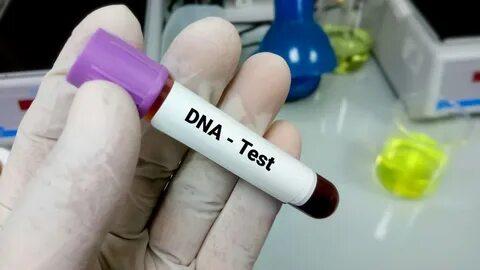
Ancestry DNA testing has made it easier than ever to explore family history, discover ethnic origins, and identify biological relatives. However, many beginners feel confused when they first see their results. Terms like autosomal DNA, centimorgans, haplogroups, ethnicity estimates, and DNA matches can feel technical and overwhelming.
Understanding these key terms is essential for interpreting your results correctly and avoiding common misunderstandings in genetic genealogy. Once you become familiar with the language of Ancestry DNA Test Dubai, it becomes much easier to explore ancestry reports, build a family tree, and connect with potential relatives.
Autosomal DNA: The Core of Ancestry Testing
Autosomal DNA is the most commonly used type of DNA in ancestry testing. It represents the genetic material inherited from both parents, which includes contributions from grandparents, great-grandparents, and beyond.
Because it reflects both sides of your family tree, autosomal DNA is ideal for identifying relatives within the past five to seven generations. It is the foundation of most DNA matching systems and ethnicity estimates.
When you take an ancestry DNA test, the majority of your results are based on autosomal DNA analysis, making it the most important concept to understand as a beginner.
DNA Matches: Finding Genetic Relatives
DNA matches are individuals who share segments of DNA with you, indicating a possible biological relationship. These matches can range from close relatives like siblings and cousins to distant relatives who share a common ancestor many generations ago.
DNA testing platforms compare your genetic profile with millions of others in their database to identify these connections. The result is a list of potential relatives ranked by the amount of shared DNA.
Understanding DNA matches is essential for genetic genealogy because they help uncover hidden family connections, confirm ancestry, and expand your family tree.
Centimorgans: Measuring Genetic Relationships
Centimorgans are the unit used to measure shared DNA between individuals. They help estimate how closely two people are related.
A higher number of shared centimorgans usually indicates a closer relationship. For example, siblings share a large amount of DNA, while second or third cousins share smaller segments.
Genealogists use centimorgan values to estimate relationship ranges and narrow down possible family connections. This concept is especially useful when analyzing DNA match lists and building family trees.
Ethnicity Estimates: Understanding Genetic Ancestry
Ethnicity estimates are one of the most visible features of an ancestry DNA test. These results show the percentage of your DNA that is linked to different geographic regions such as South Asia, Europe, Africa, or East Asia.
These percentages are based on comparisons between your DNA and reference population databases. While they provide useful insights into ancestral origins, they are not exact identity labels.
Ethnicity estimates should be understood as statistical interpretations of genetic similarity rather than precise ancestral definitions. They are most useful for identifying broad regional ancestry and migration patterns.
Reference Populations: The Foundation of DNA Comparison
Reference populations are groups of individuals whose DNA is used as a baseline for comparison in ancestry testing. These groups are typically associated with specific geographic regions or ethnic backgrounds.
When your DNA is analyzed, it is compared against these reference groups to determine which regions your genetic markers most closely resemble.
The accuracy of ethnicity estimates depends heavily on the size and diversity of these reference populations. Regions with larger datasets tend to produce more detailed results, while underrepresented areas may show broader categories.
Understanding reference populations helps explain why DNA results can vary between different testing companies.
Haplogroups: Tracing Ancient Ancestry Lines
Haplogroups are genetic groups that trace ancient ancestry through maternal or paternal lines. They are identified using mitochondrial DNA (maternal lineage) and Y-chromosome DNA (paternal lineage).
These groups represent deep ancestral origins that date back thousands of years. Unlike ethnicity estimates, haplogroups focus on ancient migration patterns and evolutionary history.
For example, a haplogroup can show how early human populations migrated across continents and adapted to different environments over time.
While haplogroups are not typically used for recent genealogy, they provide valuable insight into deep ancestral roots.
Shared DNA Segments: The Building Blocks of Connection
Shared DNA segments are identical sections of DNA found in two individuals, indicating a common ancestor. These segments are the foundation of genetic matching in ancestry DNA testing.
The size, number, and location of these segments help determine the nature of the relationship between individuals. Larger segments usually indicate closer relatives, while smaller segments suggest distant connections.
Genealogists use shared DNA segments to confirm relationships and map out family connections across generations.
Genetic Genealogy: Combining DNA with Family History
Genetic genealogy is the practice of combining DNA testing with traditional genealogy research. It uses both genetic evidence and historical records to build a more complete family tree.
This approach helps confirm relationships, uncover unknown relatives, and fill gaps in documented ancestry. By integrating DNA matches with records such as birth certificates, census data, and immigration documents, researchers can build more accurate genealogical profiles.
Genetic genealogy is one of the most powerful tools available for modern family history research.
DNA Segment Triangulation: Confirming Family Links
DNA segment triangulation is a method used to confirm shared ancestry between multiple individuals. If three or more people share the same DNA segment, it increases the likelihood that they all inherited it from a common ancestor.
This technique is widely used in advanced genealogy research to validate relationships and identify specific ancestral lines.
Triangulation helps separate true genetic connections from coincidental matches, making it a valuable tool for building accurate family trees.
Migration Patterns: Understanding Ancestral Movement
Ancestry DNA testing can reveal historical migration patterns by identifying genetic similarities across different regions. These patterns reflect how human populations moved over time due to trade, conflict, exploration, and cultural exchange.
Understanding migration patterns helps explain why certain genetic traits appear in unexpected regions or why ethnicity estimates include multiple geographic areas.
This concept connects personal ancestry to broader human history, showing how families are part of larger population movements.
DNA Database Size: Why It Matters for Results
The size of a DNA testing company’s database plays a major role in the accuracy of ancestry results. Larger databases increase the chances of finding genetic matches and improve the resolution of ethnicity estimates.
As more people take DNA tests, the network of potential relatives expands, making it easier to discover distant cousins and unknown family connections.
Database growth is one of the key reasons ancestry DNA testing continues to improve over time.
Genetic Privacy: Protecting Your DNA Data
Genetic privacy refers to how your DNA data is stored, used, and shared by testing companies. Most ancestry DNA services allow users to control privacy settings, including whether to participate in research or connect with DNA matches.
Understanding genetic privacy is important because DNA data is highly personal and can reveal sensitive family information.
Beginners should always review privacy policies and adjust settings according to their comfort level.
Limitations of Ancestry DNA Testing:
While ancestry DNA testing is powerful, it has limitations. Results are based on statistical models and reference data, which means they are not always exact.
Ethnicity estimates can change over time as databases are updated. Not all relatives will appear in DNA matches, especially if they have not taken a DNA test.
Additionally, DNA testing cannot provide detailed historical narratives or personal life stories. It should be used alongside traditional genealogy research for best results.
Conclusion: Building Confidence Through Understanding DNA Terms
Understanding key terms and concepts in ancestry DNA Lab tests is essential for anyone beginning their journey into genetic genealogy. From autosomal DNA and centimorgans to haplogroups and ethnicity estimates, each concept plays an important role in interpreting results accurately.
When these terms are clearly understood, DNA testing becomes more than just a report—it becomes a powerful tool for exploring ancestry, discovering relatives, and building meaningful family history connections.

 English
 Arabic
 French
 Spanish
 Deutsch
 Turkish
 Dutch
Dutch
 Italiano
 Russian
 Romaian
 Portuguese (Brazil)
 Greek
Greek