


Wheel Loader Financing: A Smart Way to Invest in Heavy Equipment
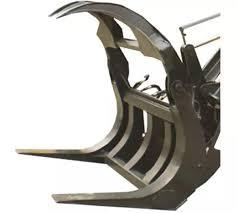
Purchasing a wheel loader is a significant investment for construction companies, agricultural businesses, mining operations, and material-handling facilities. While owning equipment can improve productivity and reduce reliance on rentals, the upfront cost can be challenging for many businesses. This is where wheel loader financing becomes a valuable solution. Financing allows companies to acquire the equipment they need while preserving cash flow and maintaining financial flexibility. Understanding the available financing options can help business owners make informed decisions and support long-term growth.
What Is Wheel Loader Financing?
Wheel loader financing is a payment arrangement that allows businesses to purchase or lease a wheel loader over time rather than paying the full cost upfront. Financing programs are typically offered by equipment dealers, manufacturers, banks, and specialized lending institutions.
How It Works
The buyer makes a down payment, if required, and then pays the remaining balance through scheduled monthly payments. The terms vary depending on the lender, equipment value, and borrower qualifications.
Benefits of Wheel Loader Financing
Preserves Working Capital
One of the biggest advantages of wheel loader financing is that it helps businesses keep cash available for daily operations, payroll, and unexpected expenses.
Access to Modern Equipment
Financing allows companies to acquire newer machines with advanced technology and improved fuel efficiency without making a large upfront investment.
Predictable Monthly Payments
Fixed payment schedules make budgeting easier and help businesses manage expenses more effectively.
Supports Business Growth
Instead of delaying equipment purchases, financing allows businesses to expand operations and take on larger projects immediately.
Common Financing Options
Equipment Loans
An equipment loan allows the buyer to own the wheel loader after completing all payments.
Advantages
- Ownership of the equipment
- Fixed payment terms
- Potential tax benefits
- Long-term asset value
Equipment Leasing
Leasing allows businesses to use a wheel loader for a specified period while making regular payments.
Benefits
- Lower upfront costs
- Flexible upgrade options
- Reduced maintenance concerns
- Access to newer equipment
Both loans and leases are popular forms of wheel loader financing depending on business goals and budget requirements.
Factors Lenders Consider
Credit History
Lenders review credit scores and financial records to assess borrowing risk.
Business Revenue
Stable income demonstrates the ability to make monthly payments consistently.
Down Payment
A larger down payment may help secure better financing terms and lower monthly costs.
Understanding these factors can improve your chances of qualifying for favorable wheel loader financing programs.
Tips for Choosing the Right Financing Plan
Compare Multiple Lenders
Different lenders offer varying interest rates, repayment periods, and financing structures.
Evaluate Total Costs
Look beyond monthly payments and consider interest charges, fees, and long-term costs.
Match Terms to Equipment Usage
Choose a repayment period that aligns with the expected lifespan and productivity of the wheel loader.
Selecting the right wheel loader financing option can help maximize return on investment while maintaining financial stability.
Conclusion
Wheel loader financing provides businesses with an affordable and practical way to acquire essential heavy equipment without straining cash reserves. Whether through equipment loans or leasing programs, financing helps companies access modern machinery, improve productivity, and support long-term growth. By comparing options, understanding lender requirements, and selecting a plan that fits operational needs, businesses can make confident equipment investments and remain competitive in their industries.
FAQs
1. What is wheel loader financing?
Wheel loader financing allows businesses to purchase or lease a wheel loader through scheduled payments instead of paying the full cost upfront.
2. Is financing better than buying equipment outright?
Financing helps preserve cash flow and may be a better option for businesses that want to maintain working capital.
3. Can small businesses qualify for wheel loader financing?
Yes, many lenders offer financing programs specifically designed for small and growing businesses.
4. What is the difference between financing and leasing?
Financing typically leads to equipment ownership, while leasing provides equipment use for a set period without immediate ownership.
5. What documents are needed for financing approval?
Requirements vary by lender but often include financial statements, business information, credit history, and proof of income.

 English
 Arabic
 French
 Spanish
 Portuguese
 Deutsch
 Dutch
Dutch
 Italiano
 Russian
 Romaian
 Portuguese (Brazil)
 Greek
Greek