


Shipping Lithium Batteries: Complete Guide to Safe and Compliant Transport in 2026
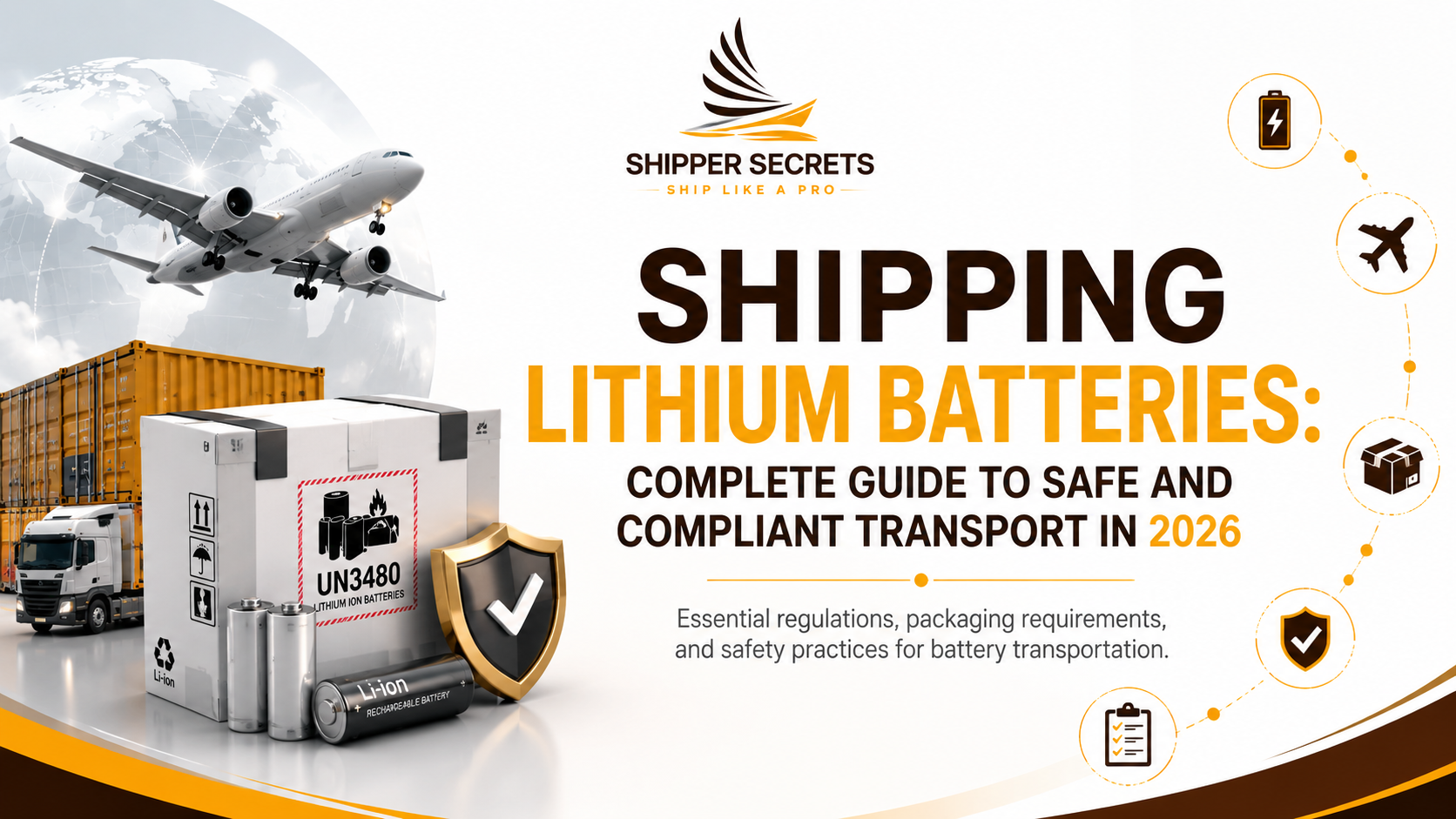
Lithium batteries power many of the devices we use every day, including smartphones, laptops, medical equipment, power tools and electric vehicles. As demand for battery-powered products continues to increase, the safe transportation of lithium batteries has become a critical concern for manufacturers, distributors and logistics providers.
Because lithium batteries can pose fire and safety risks if damaged or improperly handled, they are classified as dangerous goods and are subject to strict shipping regulations. Failure to comply with these requirements can lead to shipment delays, fines, cargo rejection and potential safety incidents.
Whether you're shipping batteries domestically or internationally, understanding the rules and best practices for lithium battery transportation can help ensure compliance and protect your supply chain.
https://shippersecrets.com/who-needs-li-ion-shipping-training/
What Are Lithium Batteries?
Lithium batteries are energy storage devices that use lithium as a key component. They are widely used because of their lightweight design, long lifespan and high energy density.
The two primary categories include:
Lithium-Ion Batteries
• Rechargeable batteries
• Commonly found in smartphones, laptops, tablets and electric vehicles
Lithium Metal Batteries
• Non-rechargeable batteries
• Used in watches, cameras, medical devices and security equipment
Each battery type has different shipping requirements and classifications.
Why Shipping Lithium Batteries Requires Special Handling
Lithium batteries contain a significant amount of stored energy. If they become damaged, defective or improperly packaged, they may create transportation hazards.
Potential risks include:
• Short circuits
• Overheating
• Thermal runaway
• Fire incidents
• Explosions under extreme conditions
Because of these risks, transportation authorities around the world have implemented strict safety regulations.
Understanding Lithium Battery UN Numbers
Before shipping lithium batteries, it is important to identify the correct United Nations (UN) classification.
The most common classifications include:
• UN3480 – Lithium-ion batteries
• UN3481 – Lithium-ion batteries packed with or contained in equipment
• UN3090 – Lithium metal batteries
• UN3091 – Lithium metal batteries packed with or contained in equipment
Using the correct UN number helps ensure proper packaging, labeling and documentation.
Key Regulations Governing Lithium Battery Shipping
Several organizations regulate the transportation of lithium batteries worldwide.
IATA Dangerous Goods Regulations (DGR)
IATA regulations apply to air transportation and cover:
• Packaging requirements
• Labeling standards
• Documentation procedures
• Quantity limitations
• Employee training
IMDG Code
The International Maritime Dangerous Goods Code applies to ocean freight shipments and includes:
• Container loading requirements
• Packaging standards
• Hazard communication
• Emergency response procedures
Domestic Transportation Regulations
Road and rail transportation may also be subject to national dangerous goods regulations depending on the country.
Packaging Requirements for Lithium Batteries
Proper packaging is one of the most important aspects of lithium battery transportation.
Best practices include:
• Protect battery terminals from short circuits
• Prevent batteries from shifting during transit
• Use strong outer packaging
• Separate loose batteries individually
• Protect shipments from physical damage
Using approved packaging materials significantly reduces transportation risks.
Labeling and Marking Requirements
Most lithium battery shipments require specific labels and markings.
Common requirements include:
• Lithium Battery Mark
• Class 9 Hazard Label
• Cargo Aircraft Only Label (if applicable)
• UN Number Identification
Incorrect labeling may result in shipment delays or carrier rejection.
Shipping Lithium Batteries by Air
Air freight is one of the fastest shipping options but also one of the most regulated.
Important requirements include:
• State-of-charge restrictions
• Quantity limitations
• Approved packaging
• Carrier-specific acceptance procedures
Required documentation may include:
• Air Waybill
• Dangerous Goods Declaration
• Shipping documentation
Businesses should always verify airline requirements before shipping.
Shipping Lithium Batteries by Ocean Freight
Ocean freight is often preferred for large battery shipments.
Benefits include:
• Lower transportation costs
• Suitable for bulk shipments
• Greater cargo capacity
• Ideal for EV battery transportation
However, compliance with IMDG regulations remains essential.
UN38.3 Testing Requirements
Most lithium batteries must successfully pass UN38.3 testing before transportation.
Testing evaluates:
• Altitude simulation
• Thermal performance
• Vibration resistance
• Shock resistance
• Short-circuit resistance
• Impact resistance
Many carriers require proof of UN38.3 compliance before accepting shipments.
Common Lithium Battery Shipping Mistakes
Many businesses encounter shipping issues due to preventable errors.
Incorrect Classification
Using the wrong UN number can result in compliance violations and shipment delays.
Improper Packaging
Weak packaging increases the risk of damage during transportation.
Missing Labels
Missing or incorrect labels may lead to shipment rejection.
Documentation Errors
Incomplete paperwork frequently causes delays.
Lack of Employee Training
Untrained personnel may unknowingly violate dangerous goods regulations.
Best Practices for Safe Lithium Battery Shipping
To improve safety and compliance, businesses should:
• Stay updated on changing regulations
• Use certified packaging materials
• Verify battery classifications
• Maintain complete documentation
• Train employees regularly
• Conduct compliance audits
• Work with experienced logistics providers
These practices help reduce risk and improve shipping efficiency.
The Future of Lithium Battery Transportation
As electric vehicles, renewable energy systems and portable electronics continue to grow in popularity, lithium battery shipments are expected to increase significantly.
Industry trends include:
• Enhanced safety standards
• Improved packaging technology
• Smart shipment monitoring systems
• Increased regulatory oversight
• Greater sustainability initiatives
Businesses that stay informed and prepared will be better positioned for long-term success.
Conclusion
Shipping lithium batteries safely requires careful attention to classification, packaging, labeling and documentation. Compliance with international regulations is essential for preventing transportation incidents, avoiding costly penalties and ensuring successful delivery.
By understanding current shipping requirements and following industry best practices, businesses can safely transport lithium batteries while protecting their cargo, employees and supply chain operations.
👉 https://shippersecrets.com/courses/
Frequently Asked Questions (FAQs)
1. Can lithium batteries be shipped internationally?
Yes. Lithium batteries can be shipped internationally by air, sea, road or rail, provided all applicable regulations are followed.
2. What UN number is assigned to lithium-ion batteries?
Lithium-ion batteries are generally classified as UN3480 or UN3481 depending on how they are packaged.
3. What is UN38.3 testing?
UN38.3 is a transportation safety testing standard that lithium batteries must pass before commercial shipment.
4. Do lithium battery shipments require special labels?
Yes. Most shipments require lithium battery markings and may also require Class 9 hazard labels.
5. Why is lithium battery shipping regulated?
Lithium batteries can pose fire and safety risks if damaged, improperly packaged or exposed to certain conditions during transportation.
📞 Contact Us
📍 868 Cardiff Road, Naperville, IL 60565
📞 708.275.8418
🌐 Get in touch with our logistics experts for reliable shipping and freight solutions. 🚚✈️📦

 English
 Arabic
 French
 Spanish
 Portuguese
 Deutsch
 Dutch
Dutch
 Italiano
 Russian
 Romaian
 Portuguese (Brazil)
 Greek
Greek