


Understanding Structural Integrity: Key Factors Every Property Owner Should Know
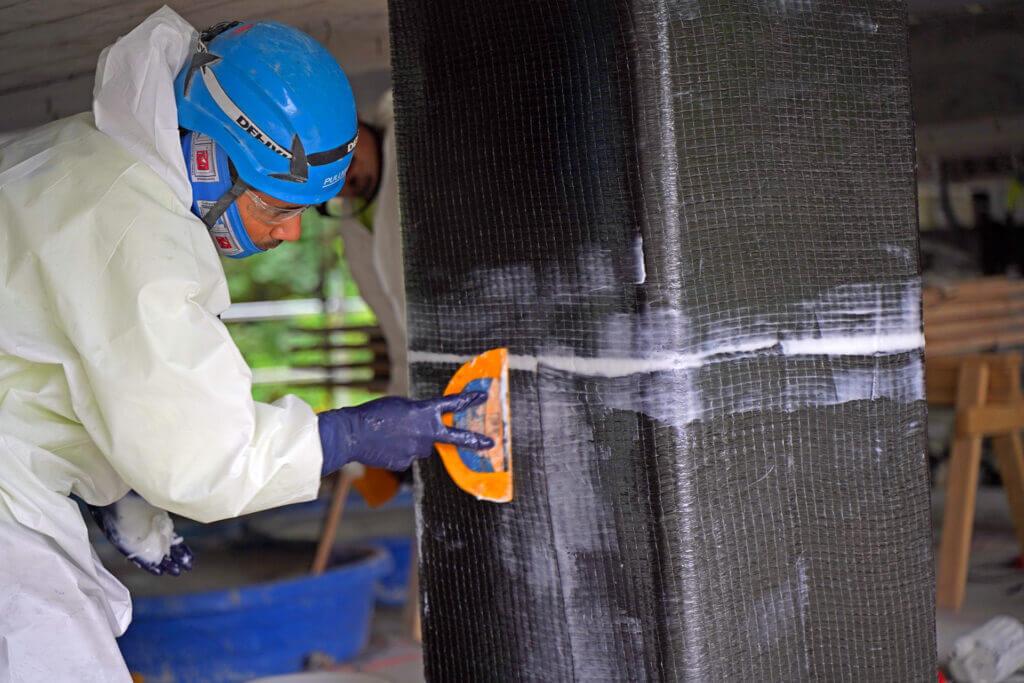
Whether you're planning a commercial development, renovating a residential property, or addressing building concerns, structural integrity should always be a top priority. The strength and stability of a structure directly affect safety, functionality, and long-term property value. Understanding common structural challenges and the role of professional engineering can help property owners make informed decisions that prevent costly issues down the road.
From foundation repairs to wall modifications and commercial construction materials, every structural decision has lasting consequences. Here's what every property owner should know about maintaining and improving building performance.
Understanding the Foundation Repair Process
Foundation issues can be among the most serious problems a property faces. Cracks, uneven floors, shifting walls, and settlement can all indicate underlying foundation concerns that require professional attention.
Many property owners wonder about the foundation repair timeline when evaluating repair options. The duration of a project depends on several factors, including the extent of damage, soil conditions, building size, repair methods, and site accessibility.
While minor repairs may be completed relatively quickly, larger commercial projects often require detailed engineering assessments, permitting, and phased construction to ensure long-term stability.
Why a Structural Engineer Is Essential During Renovations
Renovation projects often involve more than cosmetic upgrades. Removing walls, expanding living spaces, or modifying layouts can significantly impact a building's structural system.
A qualified home renovation engineer evaluates existing structural elements and determines how proposed changes may affect the safety and performance of the property. Their expertise helps ensure that renovations comply with building codes while preserving structural integrity.
Working with a structural engineer early in the planning process can help homeowners avoid costly mistakes, unexpected delays, and potential safety hazards.
Load-Bearing vs Non-Load-Bearing Walls
One of the most common questions during renovation projects involves load bearing vs non load bearing walls.
Understanding the difference is critical before removing or altering any wall inside a building.
Load-bearing walls support structural loads from floors, roofs, and upper stories, transferring weight safely to the foundation. Removing one without proper engineering can compromise the entire structure.
Non-load-bearing walls, on the other hand, primarily serve as partitions and do not carry significant structural loads. While modifications may be simpler, professional evaluation is still recommended before demolition.
Identifying Structural Defects Early
All buildings experience wear over time, but some issues indicate deeper structural concerns. Recognizing structural defects early can prevent minor problems from becoming major liabilities.
Common warning signs include:
- Cracks in walls or foundations
- Uneven floors
- Door and window misalignment
- Excessive settling
- Bowing walls
- Water intrusion
Routine inspections by qualified structural professionals can identify these issues before they lead to extensive repairs or safety concerns.
How Long Does Foundation Repair Take?
Property owners frequently ask, how long does foundation repair take when planning maintenance or construction schedules.
The answer varies based on project complexity. Small residential repairs may require only a few days, while large-scale commercial foundation stabilization projects can take several weeks or even months.
Factors influencing repair duration include:
- Severity of foundation damage
- Repair method selection
- Site conditions
- Weather impacts
- Permit approvals
- Engineering requirements
A detailed structural assessment provides the most accurate timeline and helps establish realistic project expectations.
The Benefits of Steel Frame Commercial Construction
Modern commercial developments increasingly rely on steel frame commercial building systems because of their strength, flexibility, and efficiency.
Steel framing offers several advantages:
- High strength-to-weight ratio
- Faster construction timelines
- Design flexibility
- Resistance to pests and rot
- Long-term durability
- Reduced maintenance requirements
These benefits make steel framing a preferred choice for office buildings, warehouses, industrial facilities, and large-scale commercial projects.
Why Steel Frame Buildings Continue to Grow in Popularity
The demand for steel frame building commercial solutions continues to rise as developers seek cost-effective and sustainable construction methods.
Steel structures allow architects and engineers to create larger open spaces with fewer supporting columns, maximizing usable floor area. Additionally, steel components are often prefabricated, reducing on-site construction time and improving project efficiency.
As commercial construction evolves, steel framing remains one of the industry's most reliable structural systems.
Recognizing Major Structural Defects
While some building issues are cosmetic, a major structural defect can significantly impact safety and property value.
Major structural defects may include:
- Severe foundation settlement
- Significant beam failures
- Structural wall movement
- Roof support deficiencies
- Extensive concrete deterioration
These conditions often require immediate professional evaluation and corrective action to prevent further damage and ensure occupant safety.
Understanding Non-Load-Bearing Walls
When redesigning interior spaces, many property owners encounter the term non load bearing wall.
These walls typically separate rooms but do not contribute significantly to the building's structural support system. Because they carry little to no structural load, they are often easier to modify or remove during renovations.
However, assumptions can be risky. Professional structural review is essential before making any alterations to avoid accidental damage to critical building components.
What Is a Non-Load-Bearing Wall?
Many homeowners ask, what is a non load bearing wall and how it differs from structural walls.
Simply put, a non-load-bearing wall supports only its own weight and does not carry loads from upper floors, roofs, or other structural elements. These walls are commonly used to divide interior spaces and create room layouts.
Even though they are generally easier to remove, electrical wiring, plumbing, HVAC systems, and other utilities may still be located within them, making professional planning essential.
Comparing Steel and Concrete Structures
Choosing construction materials is one of the most important decisions in any building project. The debate between steel vs concrete buildings continues because both materials offer distinct advantages.
Steel structures provide:
- Faster construction
- Greater design flexibility
- Lighter overall weight
- Easier modifications
Concrete structures offer:
- Excellent fire resistance
- Strong compressive strength
- Long-term durability
- Reduced vibration
The best choice depends on project goals, budget, environmental conditions, and structural requirements.
Conclusion
Structural integrity is the foundation of every successful building project. Whether you're evaluating foundation repairs, planning renovations, assessing wall modifications, or selecting construction materials, informed decisions can protect both safety and investment value.
By understanding concepts such as foundation repair timelines, load-bearing walls, structural defects, and modern steel construction methods, property owners can better navigate complex building challenges and ensure long-term performance for their structures.

 English
 Arabic
 French
 Portuguese
 Deutsch
 Turkish
 Dutch
Dutch
 Italiano
 Russian
 Romaian
 Portuguese (Brazil)
 Greek
Greek