


Why Sachet Packaging Is Popular in Food and Pharma?
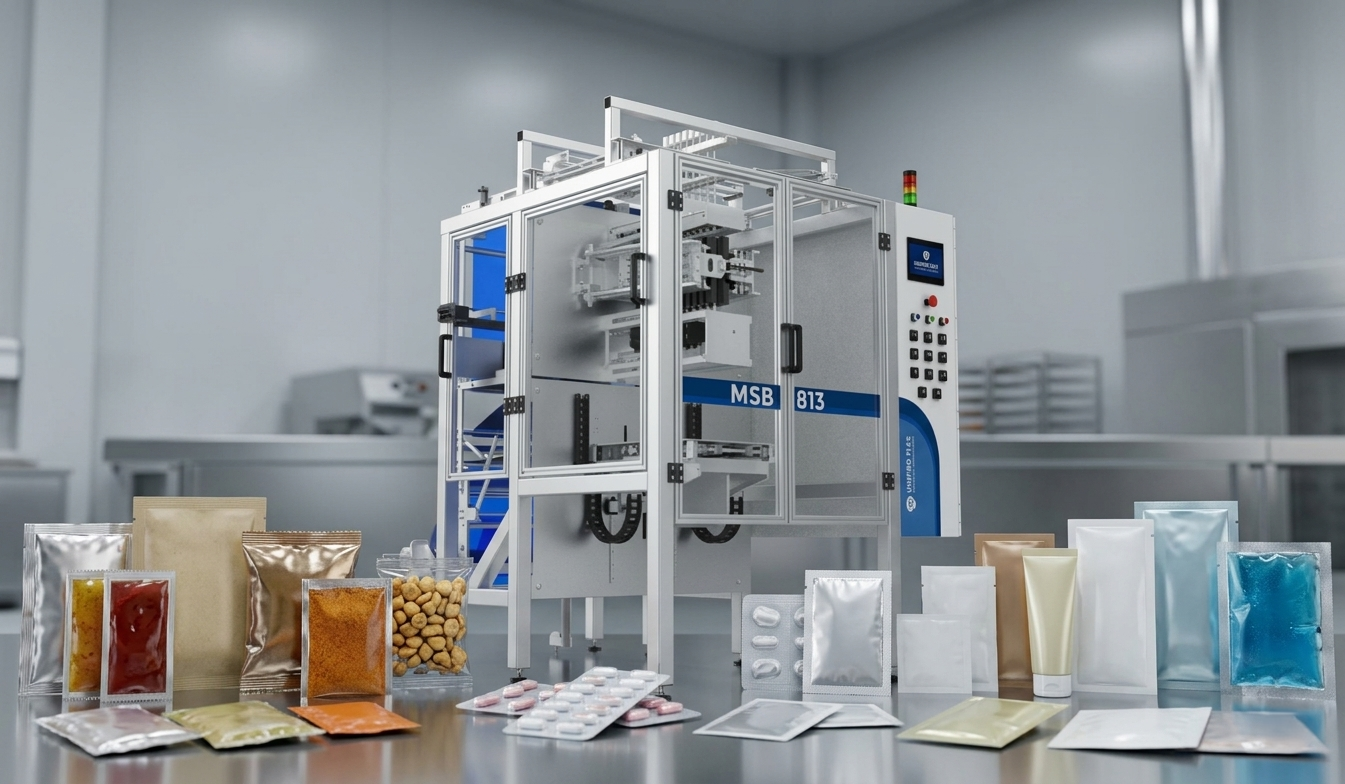
Imagine a traveler reaching into a carry-on bag for a quick energy boost: a slim sachet of electrolyte powder tears open easily, mixes instantly into a water bottle—no measuring, no mess. At the same time, a parent in a pharmacy grabs a single-dose packet of pediatric oral rehydration salts, confident in the precise amount and tamper-proof seal. Later, someone at the gym tears open a personal care sachet of shampoo for a quick refresh without carrying a full bottle. These everyday moments highlight why sachet packaging has become so widespread. It delivers convenience, hygiene, portability, and portion control in one compact format. Behind this popularity stands the sachet packaging machine—a high-speed, versatile system that forms, fills, and seals these small packets reliably and economically. From breakfast drink mixes to pharmaceutical powders and travel-size lotions, sachets solve real consumer problems while giving brands strong advantages in cost, compliance, and shelf appeal.
Sachet packaging turns small doses into big opportunities across multiple industries.
Why Does Portion Control Drive Sachet Popularity?
Portion control drives sachet popularity because modern consumers want exactly the right amount every time without waste or guesswork. In food, single-serve drink mixes, instant coffee, or spice blends prevent over- or under-use while extending product freshness. In pharmaceuticals, precise dosing—especially for pediatric or elderly patients—ensures safety and efficacy while reducing medication errors. Personal care benefits too: a single-use face mask, shampoo, or hand sanitizer packet delivers the intended application without excess product drying out or spoiling. This controlled delivery builds trust, cuts household waste, and supports health-conscious or travel-friendly lifestyles. Brands gain loyalty when customers experience consistent results, and they avoid the returns or complaints that come from bulk containers where users scoop inaccurately. Sachets make portioning foolproof and appealing across categories.
How Does Convenience Boost Consumer Preference for Sachets?
Convenience boosts consumer preference for sachets by fitting seamlessly into busy, mobile lifestyles:
- On-the-Go Portability — Slim, lightweight packets slip easily into pockets, purses, gym bags, or lunchboxes for instant use anywhere without bulky bottles or jars.
- No Measuring Required — Tear-open design delivers the complete dose immediately, eliminating spoons, cups, or droppers that add steps and potential mess.
- Single-Use Hygiene — Fresh contents every time reduce contamination risk compared to multi-use containers where bacteria or oxidation can build up over weeks.
- Travel-Friendly Size — Meet airline liquid restrictions (under 100 ml) and TSA rules while providing full-size performance in a compact format.
- Quick Preparation — Mix powders or gels instantly into water, food, or on skin—no waiting, no tools, ideal for camping, offices, hospitals, or outdoor activities.
- Reduced Storage Needs — Small sachets take minimal space in pantries, medicine cabinets, or hotel amenity kits, making them practical for both consumers and retailers.
- Impulse Purchase Appeal — Eye-catching display packs near checkouts encourage trial of new flavors, supplements, or personal care items.
These practical advantages turn occasional buyers into regular users across food, pharma, and beauty.
How Do Cost Savings Attract Manufacturers to Sachet Formats?
Cost savings attract manufacturers to sachet formats by lowering material, production, and distribution expenses while maximizing output:
- Minimal Material Usage — Require far less film per unit than bottles, jars, or tubes, reducing raw material costs significantly on high-volume runs.
- Lightweight Shipping — Lower package weight cuts freight charges for both domestic and international transport, especially important for export-oriented pharma and personal care brands.
- High-Speed Production — Multi-lane sachet packaging machines fill and seal hundreds to thousands of units per minute, spreading fixed costs over massive volumes.
- Reduced Inventory Waste — Smaller pack sizes allow fresher stock rotation, minimizing expired or obsolete product write-offs in warehouses.
- Lower Labor Input — Automated filling, sealing, and counting replace manual scooping or bottling, cutting workforce needs per shift.
- Economical Testing & Sampling — Enable affordable trial sizes or promotional giveaways that drive brand awareness without high packaging investment.
- Flexible Batch Sizes — Support short runs for seasonal flavors or limited-edition pharma doses without expensive tooling changes.
These efficiencies make sachets one of the most economical ways to package single-serve products profitably.
How Do Tamper-Evident Seals Enhance Safety and Trust?
Tamper-evident seals enhance safety and trust by providing visible proof that the product remains untouched from factory to consumer:
- Notch or Tear Features — Create clear evidence of opening, reassuring pharma patients and food consumers that contents are secure and uncontaminated.
- Induction or Heat Seals — Bond film layers so tightly that any breach is immediately obvious, critical for sterile pharmaceutical powders or sensitive gels.
- Printed Security Messages — Include “Do Not Use If Seal Broken” warnings directly on the sachet, reinforcing brand responsibility and regulatory compliance.
- Child-Resistant Options — Combine with peelable or multi-layer designs for certain pharma and personal care products where safety regulations demand extra protection.
- Traceability Support — Pair with lot codes and batch printing to allow quick recalls if needed, building confidence in regulated categories.
- Counterfeit Deterrence — Hard-to-replicate seals discourage fake products in personal care and nutraceutical markets.
- Shelf-Life Assurance — Strong seals maintain barrier integrity, protecting against moisture, oxygen, and light until the moment of use.
This visible security reassures users and helps brands meet stringent safety standards.
In industries where precision, hygiene, and trust matter most, sachets deliver unmatched performance in a tiny footprint.
How Does High-Speed Filling Meet Demanding Production Volumes?
High-speed filling meets demanding production volumes by enabling thousands of sachets per minute without sacrificing accuracy or quality. Multi-lane sachet packaging machines use rotary or intermittent motion to form multiple packets simultaneously from a single roll of film. Servo-driven augers, piston fillers, or volumetric cups dose powders, liquids, or viscous gels precisely at rapid rates. Inline checkweighers and vision systems reject off-spec units instantly, maintaining tight tolerances even at peak output. Quick tool-less changeovers between lane counts or product types keep downtime minimal when switching between drink mixes, antibiotic powders, or lotion sachets. This scalability supports seasonal peaks, contract manufacturing surges, or global supply needs while keeping per-unit costs low. For food brands launching new flavors, pharma companies fulfilling tender contracts, or personal care lines expanding into travel retail, high-speed sachet lines deliver the volume and reliability required to compete effectively.
How Do Versatile Filling Capabilities Handle Diverse Products?
Versatile filling capabilities handle diverse products by accommodating everything from free-flowing powders to thick creams within the same machine platform:
- Auger Fillers — Dose fine powders like drink mixes, protein supplements, or pharmaceutical actives with excellent accuracy and minimal dust.
- Piston Fillers — Handle low- to medium-viscosity liquids and semi-liquids such as sauces, shampoos, or oral gels without dripping or stringing.
- Volumetric Cup Systems — Provide consistent volumes for granular items like sugar, salt, or bath salts at high speeds.
- Peristaltic or Lobe Pumps — Transfer shear-sensitive or particulate-laden products like fruit purees or medicated creams gently.
- Combination Filling Heads — Allow quick swaps or dual-fill setups for multi-component sachets (powder + liquid, or two-phase gels).
- Hot-Fill Options — Support higher-temperature products like certain sauces or personal care masks that require heat-resistant filling.
- Clean-In-Place Features — Enable fast sanitation between product families, reducing cross-contamination risk in regulated environments.
This flexibility lets one machine line serve multiple categories, maximizing equipment ROI.
How Does Compact Size Benefit Retail and E-Commerce?
Compact size benefits retail and e-commerce by optimizing shelf space, shipping costs, and display impact:
- Efficient Shelf Utilization — Small sachets fit more units per facing, increasing variety and impulse buys in convenience stores or pharmacies.
- Lower Shipping Weight — Reduce dimensional weight charges for online orders, making single-serve or sampler packs more profitable to ship.
- Attractive Multi-Packs — Allow eye-catching counter displays or hang-tab cartons that stand out without taking much space.
- Travel-Retail Friendly — Meet carry-on limits and fit neatly into hotel amenity kits, airline giveaways, or subscription boxes.
- E-Commerce Sampling — Enable affordable “try-before-you-buy” options that drive larger full-size purchases later.
- Waste Reduction — Smaller formats align with zero-waste trends by giving consumers only what they need per use.
- Custom Branding — Offer generous printable surface area for logos, instructions, and promotions despite tiny footprint.
Sachets make products more accessible and visible in crowded retail and digital channels.
How Do Regulatory Advantages Support Pharma Adoption?
Regulatory advantages support pharma adoption by simplifying compliance with stringent safety, dosing, and traceability requirements. Pre-measured single doses reduce medication errors, a major concern in hospitals and home care. Tamper-evident seals and lot-coded sachets facilitate rapid recalls and batch tracking mandated by agencies like FDA, EMA, or DRAP. Barrier films protect sensitive APIs from moisture, oxygen, and light, helping maintain potency through shelf life. Child-resistant designs meet pediatric packaging rules where applicable. Cleanroom-compatible pharmaceutical packaging machine lines ensure sterility during filling and sealing. Smaller pack sizes lower the risk of diversion or counterfeiting in controlled substances. These built-in advantages make sachets a preferred format for antibiotics, pain relievers, vitamins, oral rehydration, and diagnostic reagents—delivering both patient safety and manufacturer peace of mind.
How Does Sustainability Pressure Favor Sachet Formats?
Sustainability pressure favors sachet formats by enabling lighter, more efficient packaging that reduces overall material and energy use:
- Lower Plastic per Dose — Use significantly less film than rigid bottles or tubes for the same number of servings.
- Mono-Material Options — Support recyclable PE or PP structures that simplify downstream recycling compared to multi-layer bottles.
- Reduced Over-Packaging — Deliver only the needed amount, cutting food or product waste at consumer level.
- Lightweight Logistics — Lower transport emissions due to reduced weight and volume in shipping containers.
- Portion Waste Prevention — Minimize discarded leftovers from bulk containers that go unused before spoiling.
- Recyclable Laminates — Emerging high-barrier recyclable films maintain protection while aligning with circular economy goals.
- Minimal Secondary Packaging — Often require only simple outer cartons or flow-wraps, reducing total packaging footprint.
These attributes help brands meet eco-labeling, retailer mandates, and consumer demand for greener options.
How Does Branding Flexibility Strengthen Market Position?
Branding flexibility strengthens market position by offering large printable surfaces and creative formats in a small package:
- Vivid Rotogravure Printing — Deliver sharp, colorful graphics, nutritional info, or usage instructions across the entire sachet face.
- Metallic & Holographic Effects — Create premium shelf standout for personal care or nutraceutical sachets.
- Tear-Notch & Easy-Open Designs — Enhance user experience while incorporating brand messaging at the opening point.
- Multi-Sachet Strips — Allow sequential branding for daily-dose regimens in pharma or supplement lines.
- Clear Window Options — Showcase product color and texture for food and beauty items.
- QR Codes & AR Integration — Link to recipes, usage videos, or loyalty programs directly from the pack.
- Seasonal & Limited-Edition Variants — Support fast design changes for promotions without new tooling.
This design freedom helps brands tell their story effectively even in tiny formats.
Comparison Table of Sachet Packaging Machines
Here’s a comparison of four Unified Flex sachet packaging machines focused on food, pharma, and personal care:
| Feature | Auto Pouch Bagger AP-140 | Multilane Sachet Bagger – MSB 406mm | Multilane Stick Pack – MSP 440mm | Auto Pouch Bagger AP-180 |
| Max Sachets Per Minute | 40 (single lane) | Up to 400+ (multi-lane) | Up to 600+ sticks (multi-lane) | 40 (single lane, larger format) |
| Max Sachet Width | 4.5" | 406 mm total web | 440 mm total web | 8.5" |
| Max Sachet Length | 7.5" | Flexible per lane | Flexible per lane | 11.5" |
| Filling Versatility | Powders, granules, small pieces | Powders, liquids, pastes | Liquids, gels, creams | Powders, granules, larger doses |
| Best Industry Fit | Entry-level food & personal care | High-volume food & nutraceuticals | Pharma liquids & personal care gels | Mid-volume food, pharma & beauty |
| Key Advantage | Affordable & compact | Maximum throughput | Precise stick formats | Larger sachet capability |
FAQs About Sachet Packaging
Why are sachets so common in travel-size personal care?
Their small size meets liquid restrictions, provides single-use hygiene, and reduces weight for easy carrying.
How do sachets ensure accurate dosing in pharmaceuticals?
Pre-measured fills eliminate user error, and tamper-evident seals guarantee product integrity.
Can one sachet machine handle food, pharma, and personal care?
Yes, with modular fillers and clean-in-place features, many machines switch between product types efficiently.
Do sachets reduce packaging waste?
They do—less material per dose, portion control prevents product waste, and lightweight design cuts shipping impact.
How fast can modern sachet machines run?
Multi-lane models reach hundreds to over a thousand sachets per minute, ideal for high-demand categories.
Final Thoughts
Sachet packaging remains hugely popular across food, pharmaceuticals, and personal care because it perfectly balances consumer convenience, manufacturer economics, and product protection. Single-serve portions eliminate guesswork and waste, slim formats enable portability and travel-friendliness, high-speed sachet packaging machines deliver massive volumes at low per-unit cost, and versatile filling handles powders through thick creams reliably. Tamper-evident seals build trust in regulated categories, lightweight design lowers shipping and material expenses, and strong branding options turn tiny packets into powerful marketing tools. Sustainability benefits—reduced plastic, less spoilage, and efficient logistics—align with growing eco-demands, while regulatory advantages make sachets a safe choice for pharma. Whether delivering a quick energy boost, a precise medicine dose, or a fresh shampoo trial, sachets solve real problems elegantly and economically. Brands that embrace this format gain flexibility, customer loyalty, and a competitive edge that keeps showing up in pockets, purses, and pharmacy shelves worldwide.

 English
 Arabic
 French
 Spanish
 Portuguese
 Deutsch
 Turkish
 Dutch
Dutch
 Italiano
 Russian
 Portuguese (Brazil)
 Greek
Greek