


Why Is Germany Becoming One of Europe’s Most Exciting E-Commerce Payment Markets?
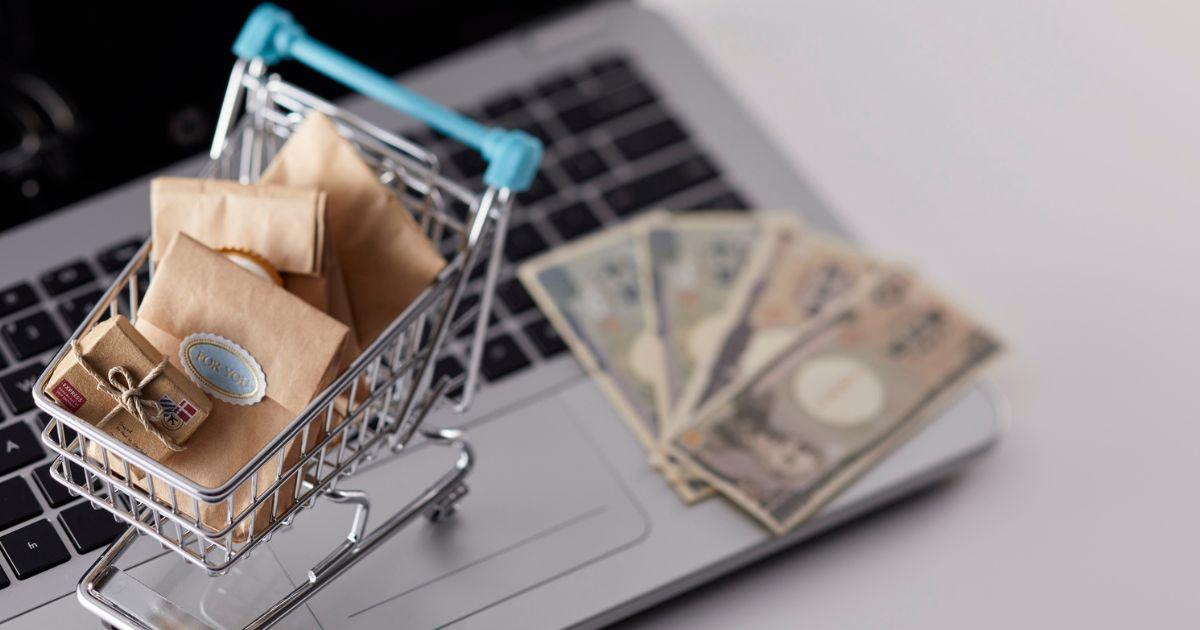
Online shopping has become an essential part of everyday life, and nowhere is this transformation more evident than in Germany. As consumers increasingly purchase everything from electronics and fashion to groceries and digital services online, the demand for fast, secure, and convenient payment solutions continues to grow. The evolution of payment technology is reshaping how Germans interact with retailers, creating opportunities for innovation and transforming the future of commerce.
According to Renub Research, the Germany E-Commerce Payment Market is expected to grow from US$ 252.37 Billion in 2025 to US$ 673.32 Billion by 2034, registering an impressive Compound Annual Growth Rate (CAGR) of 11.52% during 2026–2034. This growth is fueled by rising online retail penetration, increasing adoption of digital wallets, growing consumer trust in secure transactions, and continuous innovation in payment technology.
As Germany advances toward a more digital economy, the country’s e-commerce payment ecosystem is becoming one of the most dynamic and influential markets in Europe.
Understanding the E-Commerce Payment Ecosystem
E-commerce payments refer to the electronic methods consumers use to purchase products and services online. These payment systems enable secure financial transactions between shoppers and merchants without the need for physical cash.
Germany’s e-commerce payment landscape includes:
- Digital wallets
- Credit cards
- Debit cards
- Account-to-account (A2A) transfers
- Buy Now Pay Later (BNPL) services
- Prepaid payment solutions
- Cash on Delivery (CoD)
- Online banking payments
These payment methods provide consumers with flexibility while helping merchants improve transaction efficiency and customer satisfaction.
In a country where privacy, transparency, and security are highly valued, payment providers must meet exceptionally high standards to earn consumer trust.
Germany’s Digital Shopping Boom
One of the strongest drivers behind market growth is the rapid expansion of online shopping.
German consumers increasingly rely on e-commerce platforms to purchase a wide variety of products, including:
- Consumer electronics
- Fashion accessories
- Home appliances
- Personal care products
- Groceries
- Digital subscriptions
- Entertainment services
The convenience of shopping from home, combined with reliable delivery networks and strong consumer protections, has encouraged more people to embrace online retail.
Traditional brick-and-mortar retailers have also accelerated their digital transformation efforts. Many businesses now operate omnichannel models that seamlessly connect physical stores with online platforms.
As online retail continues to grow, the demand for efficient payment systems naturally increases alongside it.
Why German Consumers Value Payment Security
Germany has long been recognized as one of Europe’s most security-conscious markets.
Consumers place significant importance on:
- Data protection
- Financial transparency
- Fraud prevention
- Privacy safeguards
- Transaction reliability
This preference has shaped the development of Germany’s payment ecosystem.
Unlike some markets where credit cards dominate, German consumers often prefer payment methods that provide greater control over spending and direct access to bank accounts.
The result is a payment environment where trust plays a critical role in adoption and long-term success.
Payment providers that demonstrate strong security measures are more likely to gain consumer confidence and market share.
The Rise of Digital Wallets
Digital wallets have become one of the fastest-growing segments within Germany’s e-commerce payment market.
These solutions allow users to store payment information securely and complete purchases with minimal effort.
Consumers appreciate digital wallets because they offer:
- Faster checkout experiences
- Enhanced security features
- Multi-factor authentication
- Reduced need to enter payment details repeatedly
- Convenient mobile shopping capabilities
As smartphone usage and mobile commerce continue to expand, digital wallets are becoming increasingly integrated into consumers’ daily shopping habits.
Merchants also benefit through:
- Higher conversion rates
- Reduced cart abandonment
- Improved customer satisfaction
- Faster payment processing
The growing popularity of mobile commerce is expected to further accelerate digital wallet adoption throughout the forecast period.
Bank-Based Payments Continue to Thrive
Germany has a unique relationship with bank-based payment solutions.
Many consumers prefer payment systems directly connected to their bank accounts because they offer greater transparency and control over spending.
Bank-linked payment methods provide:
- Immediate account visibility
- Lower fraud risks
- Enhanced consumer confidence
- Strong authentication processes
- Simplified transaction management
This preference has helped drive the growth of account-to-account (A2A) payment systems and online banking solutions.
As payment technology becomes more sophisticated, bank-based methods continue to remain highly relevant in Germany’s digital commerce environment.
Mobile Commerce Is Reshaping Consumer Behavior
The widespread use of smartphones has transformed how consumers shop online.
Mobile commerce now represents a significant portion of Germany’s e-commerce activity.
Consumers increasingly use mobile devices to:
- Browse products
- Compare prices
- Read reviews
- Make purchases
- Track deliveries
This shift requires payment providers to deliver seamless mobile experiences.
Fast-loading checkout pages, one-click payments, biometric authentication, and integrated wallet solutions are becoming essential features for merchants seeking to maximize sales.
As younger generations embrace mobile-first shopping habits, mobile payment innovation will remain a major market growth driver.
Regulatory Frameworks Strengthening Consumer Trust
Germany’s regulatory environment plays an important role in shaping the e-commerce payment market.
Strict regulations help ensure:
- Consumer protection
- Payment security
- Data privacy
- Fraud prevention
- Financial transparency
Payment providers must comply with comprehensive standards governing authentication and data handling.
While compliance can be challenging, it ultimately benefits the market by strengthening consumer confidence.
Consumers are more willing to conduct online transactions when they trust that their financial information is protected.
This regulatory foundation contributes significantly to Germany’s reputation as one of Europe’s safest digital commerce environments.
Buy Now Pay Later (BNPL) Gains Momentum
The Buy Now Pay Later segment is experiencing strong growth throughout Germany.
BNPL services allow consumers to:
- Receive products immediately
- Delay payment
- Split purchases into installments
- Manage cash flow more effectively
German consumers appreciate the transparency and flexibility these services provide.
Unlike traditional credit products, BNPL solutions often offer simplified approval processes and clearer repayment structures.
Retailers benefit because BNPL options frequently increase:
- Average order values
- Conversion rates
- Customer satisfaction
- Purchase frequency
As consumers continue seeking financial flexibility, BNPL is expected to remain an important growth category.
The Growing Role of Prepaid Payments
Prepaid payment solutions serve a unique and valuable role within Germany’s digital economy.
These options include:
- Prepaid cards
- Gift vouchers
- Digital credits
- Electronic accounts
Prepaid solutions appeal to consumers who prefer controlled spending and reduced financial risk.
They are particularly popular among:
- Younger shoppers
- Budget-conscious consumers
- Individuals without traditional banking access
- Gift purchasers
For merchants, prepaid payments reduce exposure to chargebacks and fraud-related issues.
Their continued relevance highlights the importance of offering diverse payment choices to meet varying consumer preferences.
Industry-Specific Payment Trends
Different e-commerce sectors have unique payment requirements.
Electronics and Media
High-value electronics purchases require secure and trustworthy payment systems.
Consumers purchasing expensive devices expect strong fraud protection and reliable transaction processing.
Subscription-based media services also depend heavily on recurring payment technologies.
Fashion Accessories
Fashion purchases often involve impulse buying and frequent returns.
Consumers value payment systems that offer:
- Quick checkout
- Flexible payment options
- Fast refund processing
These features help build trust and encourage repeat purchases.
Food and Personal Care
Daily-use products require highly reliable payment infrastructure.
Failed transactions can disrupt essential purchases, making payment consistency especially important.
One-click payment solutions and digital wallets are increasingly popular in this category.
Challenges Facing the Market
Despite strong growth prospects, several challenges remain.
Complex Regulatory Compliance
Meeting Germany’s strict regulatory requirements can be costly and time-consuming.
Payment providers must continuously update systems to remain compliant with evolving standards.
Smaller businesses may face greater difficulty managing these compliance obligations.
Fragmented Consumer Preferences
German consumers use a wide variety of payment methods.
Some prefer:
- Bank transfers
- Invoice payments
- Digital wallets
- Debit cards
- BNPL services
This diversity creates challenges for merchants seeking to provide comprehensive payment coverage.
Failure to offer preferred payment methods may result in abandoned purchases and lost revenue.
Community Perspectives: What German Consumers Expect
Germany’s digital commerce community increasingly expects payment solutions that combine convenience with security.
Consumers want:
- Faster checkouts
- Better fraud protection
- Greater transparency
- Mobile-friendly experiences
- Flexible payment options
At the same time, merchants seek systems that improve conversion rates while minimizing operational complexity.
Industry discussions frequently focus on balancing innovation with privacy, a priority that remains deeply embedded in German consumer culture.
As technology evolves, payment providers that successfully address both convenience and trust will be best positioned for long-term success.
The Future of Germany’s E-Commerce Payment Market
The future of Germany’s e-commerce payment industry appears exceptionally promising.
Several trends are expected to shape the next decade:
- Expansion of digital wallets
- Growth in mobile commerce
- Increased BNPL adoption
- Enhanced AI-driven fraud prevention
- Greater cross-border payment capabilities
- Stronger integration of banking and payment technologies
Innovation will continue driving competition as payment providers seek to deliver faster, safer, and more personalized experiences.
Businesses that invest in seamless payment infrastructure will gain significant advantages in attracting and retaining customers.
Final Thoughts
Germany’s e-commerce payment market is undergoing a remarkable transformation fueled by digital commerce growth, consumer demand for security, and continuous technological innovation. The country’s strong regulatory framework, combined with high levels of consumer trust, creates an environment where payment technologies can flourish.
According to Renub Research, the market is projected to grow from US$ 252.37 Billion in 2025 to US$ 673.32 Billion by 2034, representing a robust 11.52% CAGR. This impressive trajectory highlights the increasing importance of digital payments within Germany’s retail ecosystem.
As online shopping becomes even more integrated into daily life, payment solutions will play a central role in shaping customer experiences and business success. Companies that prioritize security, flexibility, and convenience will be best positioned to capitalize on the opportunities emerging within one of Europe’s most exciting digital payment markets.

 English
 Arabic
 Spanish
 Portuguese
 Deutsch
 Turkish
 Dutch
Dutch
 Italiano
 Russian
 Romaian
 Portuguese (Brazil)
 Greek
Greek