


Evolution from Simple Steel Box to an Intelligent and Integrated Component
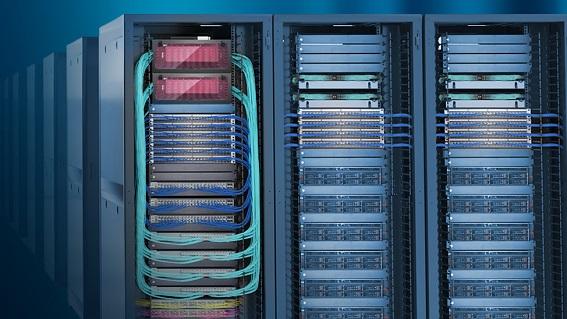
The humble data center rack, once considered little more than a simple steel cabinet, is undergoing a significant transformation, evolving into a more intelligent, adaptable, and integral component of the data center ecosystem. A close examination of current Data Center Rack Market Trends reveals a clear shift away from passive metal structures and towards engineered solutions designed to solve the critical challenges of density, cooling, and management. The modern rack is no longer just a piece of furniture; it is an active participant in the data center's operational strategy. This evolution is being driven by the relentless demands of next-generation computing, the urgent need for greater energy efficiency, and the push for more automated, software-defined data centers. These trends are redefining the role of the rack and forcing manufacturers to innovate at a rapid pace to meet the future needs of the digital infrastructure landscape.
The most powerful trend currently shaping the market is the need to support high-density computing and liquid cooling. The rise of Artificial Intelligence (AI) and High-Performance Computing (HPC) has led to servers equipped with power-hungry CPUs and GPUs that generate an immense amount of heat in a very concentrated space. Rack power densities, which were once 5-10 kW, are now routinely exceeding 30 kW, with some AI racks approaching 100 kW. This has two major implications for rack design. First, the racks must be physically stronger and often deeper to accommodate the heavier and larger server chassis. Second, and more importantly, they must be designed to integrate with liquid cooling systems. This is leading to a trend of racks with integrated coolant distribution manifolds, piping, and quick-disconnect fittings to support direct-to-chip liquid cooling. Furthermore, the popularity of rear-door heat exchangers (RDHx), which are liquid-cooled doors that attach to the back of a rack to neutralize heat, is driving the need for rack designs that can support their weight and plumbing.
Another major trend is the move towards the intelligent rack. As data centers become more automated and remotely managed, there is a growing demand for racks that can provide real-time environmental and security data. This trend involves embedding a variety of sensors directly into the rack itself. These can include temperature and humidity sensors at multiple points within the rack, airflow sensors to ensure proper cooling, and sensors on the doors to detect unauthorized access. These sensors, combined with intelligent Power Distribution Units (PDUs) that monitor power consumption at the outlet level, and electronic locking systems, all connect to a central Data Center Infrastructure Management (DCIM) software platform. This transforms the rack from a black box into a rich source of operational data, allowing administrators to remotely monitor the health, security, and efficiency of their environment at a granular, per-rack level.
A third trend gaining momentum is the focus on modularity and rapid deployment. Hyperscale cloud providers and large enterprises need to build and bring new data center capacity online as quickly as possible. This has fueled the trend of prefabricated and modular data centers, where entire rows of racks can be pre-integrated with servers, cabling, and power distribution systems in a factory setting and then shipped to the site for rapid installation. This requires racks that are designed for ease of integration and transport. The trend also extends to the design of the rack itself, with a focus on tool-less installation of components and accessories, such as cable management arms and blanking panels, which significantly speeds up the process of populating racks with IT gear. This "design for deployment speed" is a critical consideration for large-scale operators and a key area of competition among rack manufacturers.
Explore More Like This in Our Reports:

 English
 Arabic
 French
 Spanish
 Portuguese
 Deutsch
 Turkish
 Dutch
Dutch
 Italiano
 Russian
 Portuguese (Brazil)
 Greek
Greek