


Full Blood Test Guide: What It Measures and Why It Matters
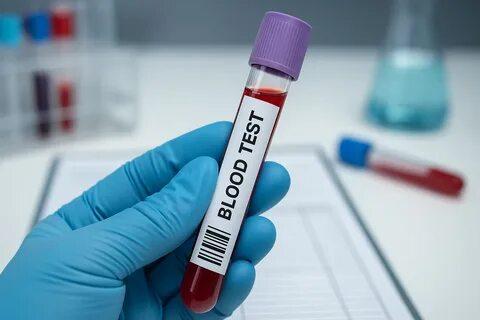
Many people wait until they feel unwell before seeking medical advice. However, some of the most common health conditions develop quietly, often without noticeable symptoms in their early stages. A full blood test helps bridge this gap by providing valuable information about what is happening inside the body before health issues become more serious.
From assessing blood cell counts and cholesterol levels to evaluating liver function and blood glucose, a full blood test offers a comprehensive overview of physical wellbeing. It is one of the most widely used diagnostic tools because it helps healthcare professionals detect disease, monitor chronic conditions, and support preventive healthcare strategies.
Understanding what a Full Blood Test in Dubai measures and why those measurements matter can help individuals make informed decisions about their health.
What Is a Full Blood Test?
A full blood test is a laboratory analysis of a blood sample designed to evaluate multiple health indicators at the same time. Rather than focusing on a single condition, it examines several biomarkers that reflect the performance of different organs and systems.
The information gathered can help identify:
-
Nutritional deficiencies
-
Blood disorders
-
Infections
-
Inflammation
-
Metabolic conditions
-
Cardiovascular risk factors
-
Organ dysfunction
-
Hormonal imbalances
The test provides a detailed health assessment that can be used for routine screening, diagnosis, and ongoing health monitoring.
The Main Categories Measured in a Full Blood Test:
To better understand the value of blood testing, it helps to break down the major categories commonly included in a comprehensive blood panel.
Blood Cell Health:
One of the first areas evaluated is the composition of your blood cells.
Red Blood Cells:
Red blood cells carry oxygen from the lungs to tissues throughout the body. Their quantity and quality directly affect energy production and overall physical performance.
Abnormal red blood cell levels may indicate:
-
Iron deficiency anemia
-
Vitamin B12 deficiency
-
Chronic disease
-
Dehydration
Healthy red blood cell production is essential for maintaining proper oxygen circulation.
White Blood Cells:
White blood cells form a critical part of the immune system.
Their primary role is to:
-
Fight infections
-
Respond to inflammation
-
Protect against harmful microorganisms
Elevated white blood cell counts may suggest infection or inflammation, while unusually low levels can indicate immune-related concerns.
Platelets:
Platelets are responsible for blood clotting and wound healing.
Abnormal platelet levels may affect:
-
Bleeding control
-
Clot formation
-
Circulatory health
Healthcare providers often review platelet counts when investigating bruising, excessive bleeding, or clotting disorders.
Hemoglobin and Hematocrit: Measuring Oxygen Delivery
Two important markers frequently analyzed during a full blood test are hemoglobin and hematocrit.
Hemoglobin:
Hemoglobin is the protein inside red blood cells that carries oxygen throughout the body.
Low hemoglobin levels can contribute to:
-
Fatigue
-
Weakness
-
Shortness of breath
-
Reduced exercise tolerance
Monitoring hemoglobin helps evaluate how effectively oxygen is reaching tissues and organs.
Hematocrit:
Hematocrit measures the percentage of blood made up of red blood cells.
Changes in hematocrit may provide clues about:
-
Hydration status
-
Blood volume
-
Anemia
-
Certain blood disorders
Together, hemoglobin and hematocrit offer important insights into overall blood health.
Blood Glucose: A Window Into Metabolic Function
Blood sugar regulation is essential for maintaining energy and preventing metabolic disease.
A full blood test often includes glucose measurements that help evaluate how effectively the body processes sugar.
What High Blood Sugar May Indicate:
Elevated blood glucose levels can suggest:
-
Prediabetes
-
Type 2 diabetes
-
Insulin resistance
-
Metabolic syndrome
Because blood sugar abnormalities often develop gradually, routine testing can identify problems before symptoms become noticeable.
Why Glucose Monitoring Matters:
Maintaining healthy blood sugar levels helps protect:
-
Heart health
-
Kidney function
-
Vision
-
Nervous system function
-
Blood vessel integrity
Early detection supports timely intervention and improved long-term outcomes.
Cholesterol and Lipid Profile Assessment:
Cardiovascular health is another key focus of a full blood test.
A lipid profile measures different types of cholesterol and fats circulating in the bloodstream.
Total Cholesterol:
This provides an overall measure of cholesterol levels.
LDL Cholesterol:
Low-density lipoprotein is commonly referred to as bad cholesterol because elevated levels may contribute to arterial plaque buildup.
HDL Cholesterol:
High-density lipoprotein is often called good cholesterol because it helps remove excess cholesterol from the bloodstream.
Triglycerides:
Triglycerides are fats used for energy storage. Elevated levels may increase cardiovascular risk.
Monitoring these markers helps assess the likelihood of heart disease and supports preventive healthcare planning.
Liver Function Testing: Understanding Organ Health
The liver performs numerous essential functions, including detoxification, nutrient metabolism, and protein production.
Blood tests commonly evaluate liver health through enzyme measurements.
Important Liver Markers:
These may include:
-
ALT
-
AST
-
ALP
-
GGT
-
Bilirubin
Why These Measurements Matter:
Abnormal liver function markers may indicate:
-
Fatty liver disease
-
Hepatitis
-
Liver inflammation
-
Medication-related liver stress
-
Excessive alcohol exposure
Because liver disease can develop silently, routine blood testing often plays a vital role in early detection.
Kidney Function Analysis:
Healthy kidneys continuously filter waste products from the bloodstream.
A full blood test evaluates several markers related to kidney performance.
Creatinine:
Creatinine is a waste product generated during normal muscle activity.
Elevated levels may suggest reduced kidney filtration efficiency.
Estimated Glomerular Filtration Rate:
This calculation estimates how effectively the kidneys are filtering blood.
Lower values may indicate impaired kidney function.
Blood Urea Nitrogen:
This marker helps assess both kidney health and protein metabolism.
Monitoring kidney function is particularly important for people with diabetes, hypertension, or chronic kidney disease.
Nutritional Status and Deficiency Screening:
Nutrition plays a major role in overall health, and blood testing can identify deficiencies that may affect physical and mental wellbeing.
Iron Levels:
Iron supports oxygen transport and energy production.
Low iron stores can contribute to:
-
Chronic fatigue
-
Weakness
-
Headaches
-
Reduced concentration
Vitamin B12:
Vitamin B12 is essential for nerve health and red blood cell formation.
Deficiency may cause:
-
Memory difficulties
-
Tingling sensations
-
Fatigue
-
Mood changes
Folate:
Folate supports DNA production and healthy cell growth.
Vitamin D:
Vitamin D contributes to immune function, bone strength, and muscle performance.
Detecting deficiencies early allows corrective dietary and supplementation strategies.
Electrolytes: Maintaining Internal Balance
Electrolytes are minerals that regulate vital bodily functions.
Common electrolytes measured include:
-
Sodium
-
Potassium
-
Calcium
-
Magnesium
-
Chloride
These minerals help control:
-
Muscle contractions
-
Nerve signaling
-
Fluid balance
-
Heart rhythm
Abnormal electrolyte levels may indicate dehydration, kidney dysfunction, hormonal disorders, or other health concerns.
Inflammation Markers and Their Significance:
Inflammation is a natural biological response to injury or infection. However, chronic inflammation can contribute to disease development.
Certain blood tests measure inflammatory activity through markers such as:
C-Reactive Protein:
CRP levels may rise during infection, injury, or chronic inflammatory conditions.
Erythrocyte Sedimentation Rate:
ESR provides additional information about inflammatory processes occurring within the body.
These markers can help healthcare professionals investigate unexplained symptoms and monitor treatment effectiveness.
Why a Full Blood Test Matters for Preventive Healthcare?
Many diseases become more difficult to manage once symptoms appear. A full blood test helps identify risk factors early, creating opportunities for intervention before significant damage occurs.
Benefits include:
-
Early disease detection
-
Improved health monitoring
-
Better treatment planning
-
Identification of nutritional deficiencies
-
Cardiovascular risk assessment
-
Ongoing chronic disease management
Regular blood screening supports a proactive approach to health rather than a reactive one.
How Healthcare Professionals Interpret Results?
A common misconception is that one abnormal value automatically indicates disease.
In reality, healthcare providers analyze:
-
Overall patterns
-
Relationships between markers
-
Medical history
-
Symptoms
-
Lifestyle factors
For example:
-
Low hemoglobin and low ferritin may suggest iron deficiency anemia.
-
Elevated glucose and triglycerides may indicate metabolic dysfunction.
-
Abnormal liver enzymes combined with high cholesterol may suggest fatty liver disease.
Context is essential when interpreting blood test results accurately.
When Should You Consider a Full Blood Test?
A comprehensive blood analysis may be beneficial if you:
-
Experience ongoing fatigue
-
Have unexplained weight changes
-
Have a family history of chronic disease
-
Want a routine health checkup
-
Are managing an existing condition
-
Notice changes in energy levels or overall wellbeing
Regular testing can provide reassurance when results are normal and help identify concerns when further evaluation is needed.
Conclusion:
A full blood Lab tests is one of the most effective ways to gain a deeper understanding of your health. By measuring blood cell counts, cholesterol levels, blood glucose, liver function, kidney performance, nutrient status, inflammatory markers, and electrolyte balance, it offers a comprehensive picture of how your body is functioning.
More importantly, these measurements help detect health conditions early, support preventive healthcare, and guide informed medical decisions. Whether used as part of a routine health assessment or ongoing disease management plan, a full blood test remains an invaluable tool for protecting long-term wellbeing and maintaining optimal health.

 English
 Arabic
 French
 Spanish
 Portuguese
 Deutsch
 Turkish
 Dutch
Dutch
 Italiano
 Russian
 Romaian
 Portuguese (Brazil)