


How to Ensure Sterile and Safe Injection at Home
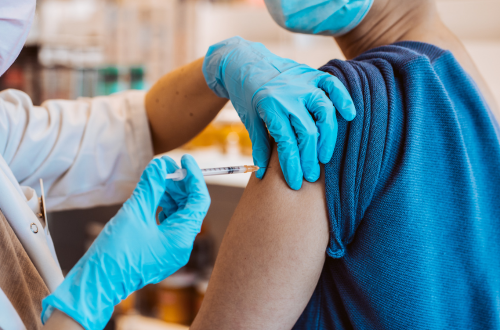
With the growing popularity of home healthcare, receiving injections at home has become a convenient option for many patients. A Home injection service provides professional medical care in the comfort of your own home, but ensuring that the procedure is sterile and safe is critical to prevent infections and complications. Proper preparation, hygiene, and adherence to medical protocols are essential to achieve the best outcomes while maintaining patient safety.
Verify the Credentials of the Healthcare Professional:
Before scheduling a home injection, it is important to confirm that the visiting nurse or healthcare professional is qualified and certified. Credential verification ensures that the injection is administered correctly and safely. Key verification steps include:
-
Checking professional licensure and certifications
-
Confirming experience in home-based injections
-
Ensuring familiarity with sterile procedures
-
Reading reviews or asking for references if available
-
Asking about experience with the specific medication or treatment
Maintain a Clean and Sanitized Environment:
Creating a hygienic environment is essential to prevent contamination and infections during home injections. Patients and caregivers should prepare a suitable area for the procedure. Important cleanliness measures include:
-
Disinfecting surfaces with appropriate cleaning agents
-
Washing hands thoroughly before the procedure
-
Keeping pets and children away from the injection area
-
Ensuring proper lighting for clear visibility
-
Using clean and dry towels or sheets for the patient to sit or lie on
Confirm the Sterility of Equipment and Supplies:
Using sterile and single-use equipment is a fundamental aspect of safe home injections. Ensuring all materials are uncontaminated reduces the risk of infection. Key equipment checks include:
-
Inspecting needles and syringes for sealed packaging
-
Avoiding reuse of any disposable items
-
Confirming vials and medications are intact and unexpired
-
Ensuring antiseptic swabs are available and used correctly
-
Properly disposing of used needles and syringes in a sharps container
Follow Pre-Injection Instructions Carefully:
Some injections may require specific preparation, such as fasting or adjusting medication schedules. Adhering to pre-injection instructions ensures the procedure is safe and effective. Essential preparation steps include:
-
Reviewing the prescription and dosage instructions
-
Discussing any allergies or prior reactions with the nurse
-
Clarifying dietary or medication restrictions
-
Ensuring the patient is rested and hydrated
-
Preparing the patient mentally for the procedure to reduce anxiety
Proper Hand Hygiene and Protective Measures:
Hand hygiene and protective measures are critical for maintaining sterility during injections. Both patients and healthcare providers should take precautions to minimize contamination. Key measures include:
-
Washing hands with soap and water or using hand sanitizer
-
Wearing disposable gloves during the procedure
-
Avoiding contact with unsterile surfaces once gloves are on
-
Changing gloves if they touch non-sterile surfaces
-
Using masks when necessary to reduce contamination risk
Ensure Correct Injection Technique:
Proper injection technique is essential to prevent tissue damage, pain, or infection. The healthcare professional should follow established medical protocols. Important considerations include:
-
Selecting the correct injection site based on medication type
-
Cleaning the injection area with an antiseptic swab
-
Using the correct needle size and angle for the injection
-
Administering the medication slowly and steadily
-
Observing the patient for any immediate adverse reactions
Monitor for Allergic Reactions and Side Effects:
Even when the injection is sterile and administered correctly, patients may experience allergic reactions or side effects. Monitoring ensures prompt intervention if necessary. Key monitoring tips include:
-
Observing the injection site for redness, swelling, or pain
-
Watching for systemic reactions such as dizziness or difficulty breathing
-
Keeping emergency contact numbers accessible
-
Informing the healthcare provider immediately if symptoms occur
-
Ensuring the patient remains seated or lying down for a few minutes after injection
Post-Injection Care and Disposal:
Proper post-injection care and disposal of medical waste are critical for preventing infection and maintaining a safe home environment. Key steps include:
-
Applying gentle pressure or a clean bandage to the injection site
-
Disposing of needles and syringes in a secure sharps container
-
Cleaning the area around the patient to remove any spills
-
Following any additional care instructions provided by the healthcare professional
-
Washing hands thoroughly after completing the procedure
Communication and Documentation:
Effective communication between the patient and healthcare provider ensures that injections are administered safely and consistently. Proper documentation also supports continuity of care. Important communication steps include:
-
Informing the nurse of current medications and medical history
-
Discussing any changes in health since the last injection
-
Recording the date, time, and type of injection administered
-
Reporting any unusual reactions or side effects
-
Maintaining a log for follow-up treatments or appointments
Emergency Preparedness:
Even with sterile and safe procedures, it’s important to be prepared for unexpected reactions. Having an emergency plan ensures timely intervention if complications arise. Key preparedness measures include:
-
Keeping local emergency numbers accessible
-
Knowing the location of the nearest hospital or urgent care center
-
Having a list of allergies and current medications on hand
-
Ensuring family members or caregivers are aware of emergency steps
-
Keeping any prescribed emergency medications, such as epinephrine, nearby if required
Final Thoughts:
Ensuring sterile and safe injection at home requires a combination of professional expertise, proper preparation, and adherence to hygiene protocols. A reliable Home injection service provides trained healthcare professionals who follow strict safety measures, ensuring effective and low-risk administration of medications. By verifying credentials, maintaining cleanliness, monitoring for reactions, and following post-injection care instructions, patients can enjoy the convenience of home-based injections without compromising safety or quality of care.

 English
 Arabic
 French
 Spanish
 Portuguese
 Turkish
 Dutch
Dutch
 Italiano
 Russian
 Romaian
 Portuguese (Brazil)
 Greek
Greek