


The Role of ESG (Environmental, Social, Governance) in B2B Branding
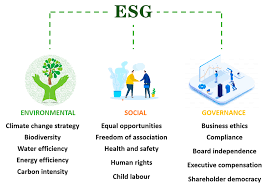
Explore The Role of ESG (Environmental, Social, Governance) in B2B Branding
In today’s evolving business landscape, organizations are no longer evaluated solely on financial performance or operational efficiency. Increasingly, stakeholders expect companies to demonstrate responsibility toward the environment, society, and ethical governance. This shift has brought ESG (Environmental, Social, Governance) into the spotlight, making it a critical factor in shaping B2B branding and long-term business success.
For B2B companies, branding is not just about visibility or marketing—it is about trust, credibility, and long-term relationships. ESG plays a vital role in strengthening these elements by aligning business practices with broader societal expectations. Decision-makers are now more likely to evaluate partners based on sustainability efforts, ethical standards, and social responsibility.
This article explores how ESG influences B2B branding, its impact on buyer decisions, and how businesses can integrate ESG into their digital presence using a clear structure for B2B pages to communicate their values effectively.
Understanding ESG in the B2B Context
ESG refers to three key areas that define responsible business practices:
-
Environmental: Focuses on sustainability, energy efficiency, waste management, and reducing environmental impact.
-
Social: Includes employee well-being, diversity, community engagement, and customer responsibility.
-
Governance: Covers ethical leadership, transparency, compliance, and decision-making processes.
In B2B markets, ESG is particularly important because partnerships often involve long-term commitments. Companies prefer to work with organizations that share their values and demonstrate responsible practices.
Why ESG Matters in B2B Branding
B2B branding is built on trust and reliability. ESG strengthens these foundations by showing that a company operates with integrity and accountability.
Decision-makers increasingly consider ESG factors when evaluating vendors. They want to ensure that their partners align with their organization’s values and do not pose reputational or compliance risks.
By integrating ESG into branding, businesses can differentiate themselves in competitive markets and build stronger, more meaningful relationships with clients.
Building Trust Through ESG Practices
Trust is one of the most important elements in B2B relationships. ESG initiatives provide tangible evidence that a company is committed to responsible business practices.
For example, transparent reporting, ethical sourcing, and sustainable operations demonstrate accountability. These actions reassure clients that the company is reliable and aligned with long-term business goals.
When businesses communicate their ESG efforts clearly, they create a sense of confidence among stakeholders, making it easier to establish and maintain partnerships.
ESG as a Competitive Differentiator
In crowded B2B markets, differentiation is essential. ESG provides a unique way for companies to stand out by showcasing their commitment to sustainability and ethical practices.
Businesses that actively implement ESG initiatives can position themselves as forward-thinking and responsible partners. This positioning is particularly valuable when competing for contracts with organizations that prioritize sustainability and compliance.
By highlighting ESG efforts, companies can attract clients who value responsible business practices, giving them a competitive advantage.
Influence of ESG on Buyer Decisions
Modern B2B buyers are more informed and conscious of the broader impact of their decisions. ESG factors influence how they evaluate potential partners.
Buyers may assess a company’s environmental policies, diversity initiatives, or governance standards before making a decision. These factors help them determine whether the partnership aligns with their own organizational values.
ESG-driven decision-making also reduces risk. Companies prefer partners who follow ethical practices and comply with regulations, minimizing the chances of reputational or operational issues.
Integrating ESG Into Digital Presence
A company’s website is one of the most important platforms for communicating ESG values effectively. Businesses should ensure that their ESG initiatives are clearly presented, well-structured, and easily accessible so that decision-makers can quickly understand their commitments. A dedicated ESG presence on the website signals transparency and long-term responsibility.
This includes creating specific sections for sustainability, corporate responsibility, and governance practices. These sections should clearly outline goals, ongoing initiatives, measurable outcomes, and future plans. Well-organized content helps visitors evaluate how seriously the company approaches ESG and how consistently it applies these principles.
Using a structured approach allows businesses to present ESG information in a logical and user friendly manner. This ensures that visitors can easily navigate different aspects of ESG, compare details, and develop a clear understanding of the company’s values and impact.
Communicating ESG Through Content
Content marketing plays a significant role in communicating ESG initiatives and building awareness among stakeholders. Through blog articles, case studies, and reports, companies can highlight their sustainability efforts, social contributions, and governance practices in a detailed and engaging way.
For example, businesses can publish content on energy-saving initiatives, community development programs, employee welfare efforts, or ethical supply chain management. These examples provide real insights into how ESG is implemented in daily operations rather than just being a stated goal.
Consistent communication ensures that ESG is seen as an ongoing commitment rather than a one-time initiative. Regular updates, progress reports, and new developments help reinforce credibility and demonstrate that the company is continuously improving its practices.
ESG and Brand Reputation
Brand reputation in B2B markets is closely linked to trust, reliability, and long-term performance. ESG initiatives contribute significantly to building a positive brand image by showing that a company operates responsibly and ethically.
Companies that prioritize sustainability, social responsibility, and transparent governance are more likely to be perceived as credible partners. This perception strengthens trust among clients, partners, and stakeholders, which is essential for maintaining strong business relationships.
A strong ESG reputation can also open new opportunities. Many organizations prefer to collaborate with partners who align with their values, making ESG a key factor in partnership decisions and long-term collaborations.
ESG and Long-Term Business Growth
ESG is not only a branding element but also a driver of sustainable business growth. Responsible practices help improve operational efficiency, reduce risks, and enhance relationships with stakeholders. These benefits contribute to long-term stability and success.
For example, adopting energy-efficient processes can reduce operational costs, while strong governance practices can minimize compliance risks and improve decision-making. These improvements create a more resilient and adaptable business model.
Companies that integrate ESG into their strategies are better prepared to respond to changing market expectations, regulatory requirements, and evolving customer preferences, ensuring continued growth in competitive environments.
Challenges in Implementing ESG in B2B Branding
While ESG offers many advantages, implementing it effectively can present several challenges. Businesses may struggle with measuring the actual impact of their initiatives, maintaining transparency in reporting, and aligning ESG goals with core business operations.
Another major challenge is ensuring authenticity. ESG efforts must be genuine, consistent, and supported by real actions. If companies make exaggerated or misleading claims, it can damage their credibility and lead to a loss of trust among stakeholders.
To overcome these challenges, businesses should focus on setting clear objectives, tracking measurable outcomes, and maintaining open communication. A structured and honest approach ensures that ESG initiatives are both effective and credible in the long term.
Best Practices for ESG Integration
To successfully integrate ESG into B2B branding, businesses should follow these best practices:
-
Define clear ESG goals aligned with business strategy
-
Measure and report progress regularly
-
Ensure transparency in communication
-
Align ESG initiatives with customer expectations
-
Integrate ESG into website structure and content
-
Engage stakeholders through consistent updates
These practices help businesses create a strong and credible ESG presence.
The Future of ESG in B2B Branding
ESG will continue to play a growing role in B2B markets as sustainability and ethical practices become more important globally.
Companies that proactively adopt ESG principles will be better positioned to meet evolving expectations and maintain competitive advantages.
The future of B2B branding will likely focus on transparency, accountability, and long-term impact, making ESG an essential component of business strategy.
Conclusion
ESG has become a fundamental element of modern B2B branding, influencing how companies are perceived and how decisions are made. By integrating environmental, social, and governance practices into their operations and communication, businesses can build trust, enhance credibility, and differentiate themselves in competitive markets.
As B2B markets continue to evolve, ESG will remain a key driver of trust, reputation, and long-term growth. Businesses that embrace this shift will be better equipped to build meaningful partnerships and achieve sustainable success.
FAQs
What does ESG mean in B2B branding?
ESG stands for Environmental, Social, and Governance factors that reflect how a company operates responsibly. In B2B branding, ESG highlights a company’s commitment to sustainability, ethical practices, and social responsibility, helping build trust and credibility with clients and partners.
Why is ESG important for B2B companies?
ESG is important because B2B buyers increasingly evaluate vendors based on their ethical standards and sustainability efforts. Companies that demonstrate strong ESG practices are seen as more reliable, reducing risk and improving long-term business relationships.
How does ESG influence B2B buying decisions?
Decision-makers often assess ESG factors to ensure alignment with their organization’s values. Companies with strong ESG practices are more likely to be chosen because they reduce reputational risks and demonstrate long-term stability.
Can ESG improve brand reputation in B2B markets?
Yes, ESG initiatives enhance brand reputation by showing responsibility and transparency. Businesses that actively communicate their ESG efforts are more likely to gain trust and be perceived as credible partners in competitive markets.
How can companies showcase ESG on their website?
Companies can create dedicated ESG or sustainability pages, share reports, publish blogs, and highlight initiatives such as energy efficiency or social programs. Clear and structured presentation helps decision-makers easily understand these efforts.
What are the challenges of implementing ESG in B2B branding?
Challenges include measuring impact, ensuring transparency, aligning ESG with business goals, and avoiding superficial claims. Companies must ensure their ESG efforts are genuine and supported by real actions to maintain credibility.
How does ESG contribute to long-term business growth?
ESG helps improve operational efficiency, reduce risks, and strengthen stakeholder relationships. Sustainable practices can lower costs and improve compliance, supporting long-term growth and stability in B2B markets.
Is ESG only relevant for large enterprises?
No, ESG is important for businesses of all sizes. Even small and medium B2B companies can adopt sustainable practices and ethical governance, which can improve their competitiveness and attract responsible clients.
How often should companies update their ESG initiatives?
Companies should regularly review and update their ESG strategies based on performance data and changing regulations. Continuous improvement ensures that ESG efforts remain relevant and effective over time.
What role does content play in ESG communication?
Content helps communicate ESG initiatives clearly and consistently. Blogs, reports, and case studies allow businesses to explain their efforts, demonstrate impact, and build trust with decision-makers through transparent storytelling.

 English
 Arabic
 French
 Spanish
 Portuguese
 Deutsch
 Dutch
Dutch
 Italiano
 Russian
 Romaian
 Portuguese (Brazil)
 Greek
Greek