


Hysterectomy Surgical Instruments and Fibroid Surgery Instruments: Essential Tools Behind Modern Gynecological Procedures
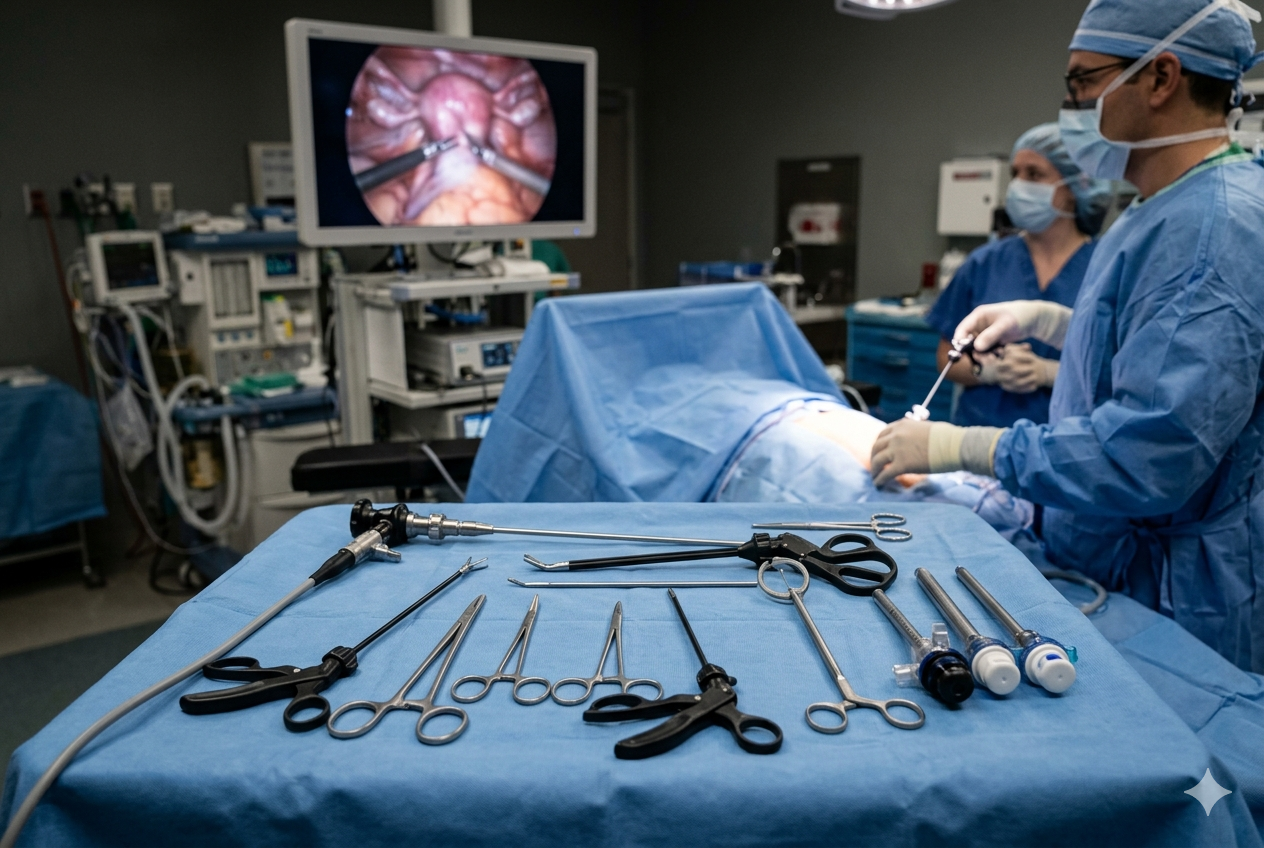
The field of gynecological surgery has undergone remarkable transformation over the last few decades. Advances in surgical techniques, minimally invasive procedures, and specialized medical technologies have dramatically improved patient outcomes while reducing recovery times and hospital stays. At the heart of these developments are the highly specialized instruments that enable surgeons to perform complex procedures with greater precision and safety.
Among the most important categories of gynecological equipment are hysterectomy surgical instruments and fibroid surgery instruments. These tools play a critical role in procedures designed to treat uterine conditions, improve patient quality of life, and support better surgical outcomes.
As healthcare providers continue investing in modern operating rooms and minimally invasive technologies, understanding the purpose and importance of these instruments has become increasingly valuable for surgeons, procurement teams, hospital administrators, and healthcare institutions.
The Growing Importance of Specialized Gynecological Surgery
Gynecological disorders affect millions of women worldwide and can significantly impact daily life, reproductive health, and overall wellbeing.
Common conditions requiring surgical intervention include:
-
Uterine fibroids
-
Abnormal uterine bleeding
-
Endometriosis
-
Adenomyosis
-
Pelvic organ prolapse
-
Chronic pelvic pain
The treatment of these conditions often relies on highly specialized surgical equipment designed specifically for women's healthcare.
Understanding Hysterectomy Procedures
A hysterectomy is a surgical procedure involving the removal of the uterus. It remains one of the most frequently performed gynecological surgeries globally.
Depending on the patient's condition and treatment goals, a hysterectomy may involve removing:
-
The uterus alone
-
The uterus and cervix
-
The uterus, cervix, and ovaries
-
Additional surrounding structures when clinically indicated
Modern hysterectomy techniques vary significantly and may include minimally invasive approaches that offer improved recovery experiences.
Types of Hysterectomy Procedures
Abdominal Hysterectomy
This traditional method involves an abdominal incision and provides broad access to pelvic structures.
Vaginal Hysterectomy
The uterus is removed through the vaginal canal without requiring abdominal incisions.
Laparoscopic Hysterectomy
Small incisions and camera-guided instruments allow surgeons to perform the procedure using minimally invasive techniques.
Robotic-Assisted Hysterectomy
Robotic systems provide enhanced visualization and instrument precision during selected procedures.
Each approach requires a unique combination of instruments and technologies.
What Are Hysterectomy Surgical Instruments?
Hysterectomy surgical instruments are specialized tools designed to support safe and efficient removal of the uterus during gynecological procedures.
These instruments are engineered to provide:
-
Precision
-
Reliability
-
Tissue protection
-
Surgical efficiency
-
Enhanced visualization
Healthcare professionals seeking advanced solutions can explore modern hysterectomy surgical instruments designed for contemporary operating environments.
Common Hysterectomy Surgical Instruments
Retractors
Retractors provide access and visibility by holding tissues away from the operative field.
Forceps
Forceps allow surgeons to grasp and manipulate tissues during surgery.
Surgical Scissors
These instruments facilitate tissue dissection and precise cutting.
Needle Holders
Needle holders assist with suturing and tissue closure during the procedure.
Clamps
Clamps are commonly used for hemostasis and vessel control.
Suction and Irrigation Devices
These systems maintain visibility by removing fluids and debris during surgery.
Understanding Uterine Fibroids
Fibroids are non-cancerous growths that develop within or around the uterus.
Although many fibroids remain asymptomatic, some may cause:
-
Heavy menstrual bleeding
-
Pelvic pressure
-
Pain
-
Fertility concerns
-
Frequent urination
-
Abdominal enlargement
When symptoms become severe, surgical intervention may become necessary.
Common Surgical Treatments for Fibroids
Several procedures may be considered depending on the size, location, and number of fibroids.
Myomectomy
This procedure removes fibroids while preserving the uterus.
Hysterectomy
In some cases, hysterectomy may provide a definitive solution for severe fibroid disease.
Minimally Invasive Fibroid Removal
Laparoscopic and robotic-assisted techniques continue gaining popularity due to their patient benefits.
What Are Fibroid Surgery Instruments?
Fibroid surgery instruments are specialized devices designed to facilitate the removal of fibroids while minimizing tissue trauma and improving procedural precision.
These instruments help surgeons perform procedures efficiently while supporting better patient outcomes.
Healthcare organizations interested in advanced technologies can review modern fibroid surgery instruments developed for contemporary gynecological practice.
Common Fibroid Surgery Instruments
Tissue Graspers
These instruments stabilize and manipulate fibroids during removal.
Dissection Instruments
Dissectors help separate fibroids from surrounding tissue planes.
Scissors and Cutting Devices
Precise cutting instruments support controlled tissue division.
Energy Devices
Modern energy systems assist with:
-
Vessel sealing
-
Hemostasis
-
Tissue dissection
Suturing Instruments
Myomectomy procedures often require careful reconstruction of uterine tissue following fibroid removal.
Specimen Retrieval Devices
These technologies facilitate tissue extraction during minimally invasive procedures.
The Shift Toward Minimally Invasive Surgery
One of the most significant developments in gynecology has been the transition from open surgery to minimally invasive techniques.
Benefits often include:
-
Smaller incisions
-
Reduced pain
-
Shorter hospital stays
-
Faster recovery
-
Lower infection rates
-
Improved cosmetic outcomes
Specialized instruments have played a major role in enabling this transformation.
The Role of Laparoscopic Technology
Laparoscopy has revolutionized both hysterectomy and fibroid surgery.
Modern laparoscopic systems provide:
-
High-definition visualization
-
Enhanced precision
-
Better anatomical identification
-
Improved surgeon control
These advancements have expanded the range of procedures that can be performed using minimally invasive approaches.
Why Instrument Quality Matters
The quality of surgical instruments directly influences procedural success.
Reliable instruments contribute to:
-
Consistent performance
-
Reduced operating times
-
Improved precision
-
Greater surgeon confidence
-
Better patient outcomes
In high-pressure operating room environments, reliability is essential.
Ergonomics in Modern Surgical Design
Long procedures can place significant physical demands on surgeons and operating room staff.
Modern instruments increasingly emphasize:
-
Comfortable grip design
-
Improved maneuverability
-
Reduced hand fatigue
-
Enhanced control
Ergonomic improvements can improve efficiency during lengthy procedures.
Technological Advances in Gynecological Surgery
Innovation continues to shape the future of women's healthcare.
Recent advancements include:
-
Robotic-assisted surgery
-
High-definition imaging
-
Advanced energy systems
-
Improved laparoscopic instruments
-
Enhanced visualization technologies
These innovations continue improving surgical outcomes worldwide.
The Importance of Surgeon Training
Even the most advanced instruments require proper training and experience.
Training programs often focus on:
-
Instrument handling
-
Procedural planning
-
Surgical techniques
-
Workflow optimization
-
Patient safety
Continuous education remains essential as technologies evolve.
Procurement Considerations for Healthcare Facilities
Hospitals and surgical centers evaluate several factors when selecting equipment.
Reliability
Consistent instrument performance is essential.
Durability
Equipment must withstand repeated sterilization cycles.
Compatibility
Devices should integrate smoothly with existing surgical systems.
Regulatory Compliance
Products must meet all relevant quality and safety standards.
Technical Support
Reliable manufacturer support contributes to long-term value.
Improving Patient Outcomes Through Better Technology
Modern surgical technologies aim to improve:
-
Recovery experiences
-
Surgical precision
-
Operating room efficiency
-
Patient comfort
-
Overall satisfaction
High-quality instrumentation remains central to these goals.
The Future of Gynecological Surgical Instruments
The next generation of gynecological instruments is expected to include:
-
Smart surgical technologies
-
Artificial intelligence integration
-
Enhanced robotic systems
-
Miniaturized devices
-
Improved imaging capabilities
These developments will continue shaping modern healthcare.
Why Healthcare Facilities Continue Investing in Innovation
Hospitals increasingly recognize the benefits of advanced surgical technologies, including:
-
Better patient outcomes
-
Improved procedural efficiency
-
Reduced hospitalization
-
Expanded treatment capabilities
-
Enhanced clinical reputation
Investment in high-quality instruments supports long-term success.
Conclusion
Hysterectomy surgical instruments and fibroid surgery instruments are essential components of modern gynecological care. Their role in improving surgical precision, supporting minimally invasive procedures, and enhancing patient outcomes continues to grow as technology advances.
Whether treating uterine fibroids, performing hysterectomies, or expanding minimally invasive capabilities, healthcare providers rely on specialized instruments to deliver safe and effective care.
Healthcare facilities seeking advanced solutions can explore innovative hysterectomy surgical instruments designed for modern gynecological surgery and evolving clinical requirements.
Similarly, hospitals looking to strengthen their treatment options for uterine fibroids may benefit from reviewing specialized fibroid surgery instruments developed for today's operating rooms.
Frequently Asked Questions (FAQ)
1. What are hysterectomy surgical instruments used for?
These instruments are designed to assist surgeons during procedures involving the removal of the uterus and related gynecological surgeries.
2. What procedures commonly use fibroid surgery instruments?
Fibroid surgery instruments are frequently used during myomectomy procedures and minimally invasive fibroid removal surgeries.
3. What are the benefits of minimally invasive gynecological surgery?
Benefits often include reduced pain, smaller scars, faster recovery, and shorter hospital stays.
4. Why is instrument quality important in gynecological surgery?
High-quality instruments improve precision, reliability, and overall procedural efficiency.
5. How do hospitals choose surgical instruments?
Healthcare facilities often evaluate durability, compatibility, regulatory compliance, support services, and long-term value.
6. How is technology shaping the future of gynecological surgery?
Advances in robotics, imaging, artificial intelligence, and minimally invasive technologies continue improving patient outcomes and surgical capabilities.

 English
 Arabic
 French
 Portuguese
 Deutsch
 Turkish
 Dutch
Dutch
 Italiano
 Russian
 Romaian
 Portuguese (Brazil)
 Greek
Greek