


How Will the Rise of Digital Tokens Impact the Future of Asset Ownership and Trading?
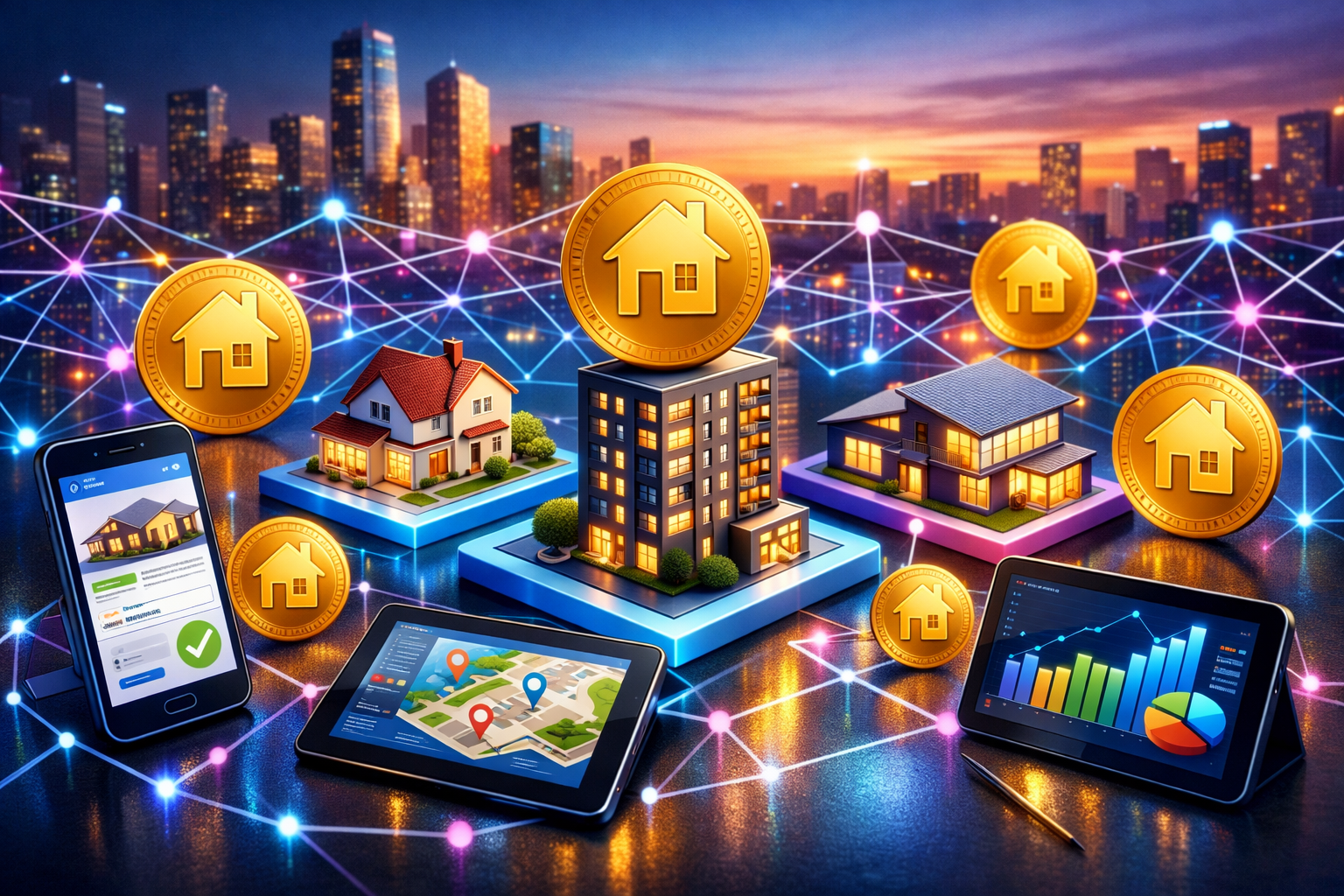
The evolution of financial markets and investment systems has always been driven by technological innovation. From the invention of paper currency to electronic trading platforms, technology has consistently reshaped how people invest, own, and trade assets. Today, the rise of digital tokens assets represented on blockchain networks represents one of the most transformative developments in the history of finance. Digital tokens, whether representing equities, real estate, commodities, or intangible assets, are fundamentally altering concepts of ownership, liquidity, and market accessibility.
As tokenization of assets becomes mainstream, traditional notions of property rights, investment, and trading mechanisms are being redefined. Digital tokens enable fractional ownership, decentralized trading, programmable compliance, and real-time settlement, creating a more transparent, efficient, and inclusive financial ecosystem. This shift has profound implications for investors, enterprises, and regulators, signaling a new era in global finance.
Understanding Digital Tokens
Digital tokens are blockchain-based representations of value or rights linked to an underlying asset. Unlike cryptocurrencies like Bitcoin or Ethereum, which serve primarily as mediums of exchange or stores of value, tokens can represent ownership of tangible or intangible assets. Examples include:
- Security Tokens: Represent ownership in a company, fund, or asset, similar to traditional equities or bonds.
- Real-World Asset (RWA) Tokens: Represent ownership or revenue rights in physical assets such as real estate, artwork, or commodities.
- Utility Tokens: Provide access to a product, service, or platform ecosystem.
- Non-Fungible Tokens (NFTs): Represent unique digital or physical items, including art, collectibles, or intellectual property rights.
The common thread among all these tokens is that they leverage blockchain technology to provide transparent, secure, and verifiable ownership, enabling novel forms of asset trading and investment.
Traditional Asset Ownership vs. Tokenized Assets
Historically, ownership of assets has been defined by physical possession, paper-based documentation, or centralized registries. Trading these assets often involves intermediaries such as brokers, banks, or legal institutions, resulting in high costs, slow settlement, and restricted access.
In contrast, tokenized assets redefine ownership and trading by:
- Fractionalizing Assets: A high-value asset can be divided into smaller units, enabling broader participation.
- Automating Transactions: Smart contracts execute trades, dividend distributions, and compliance checks automatically.
- Creating Secondary Markets: Tokens can be traded 24/7 on digital marketplaces without the need to transfer the physical asset.
- Enhancing Transparency: Blockchain records provide immutable, auditable proof of ownership and transaction history.
These changes reduce barriers to entry, increase liquidity, and expand the universe of participants in asset markets.
Key Impacts of Digital Tokens on Asset Ownership
1. Democratization of Ownership
Digital tokens allow fractional ownership of previously high-cost or illiquid assets. Investors who could not afford entire properties, fine art, or commercial ventures can now acquire tokenized shares, democratizing access to wealth-building opportunities.
For instance, a luxury apartment worth $5 million can be tokenized into 500,000 units, each priced at $10. Individual investors worldwide can now participate in property ownership without needing to buy the entire apartment, expanding participation across retail, institutional, and international investors.
2. Increased Liquidity for Traditionally Illiquid Assets
Many asset classes, such as real world asset tokenization, private equity, or collectibles, are traditionally illiquid due to ownership concentration and transaction complexities. Tokenization introduces liquidity by enabling fractional trading on secondary markets. Investors can buy, sell, or trade tokens without needing to liquidate the underlying asset, creating faster capital turnover and more dynamic markets.
3. Enhanced Transparency and Trust
Ownership of tokenized assets is recorded on a blockchain, which provides an immutable and auditable record of all transactions. Investors can verify ownership, transaction history, and revenue distributions in real time, reducing the risk of fraud and disputes. Transparent systems foster trust and increase investor confidence, making markets more efficient and attractive.
4. Programmable Ownership and Compliance
Smart contracts—self-executing programs on blockchain networks—enable automated compliance with regulatory and contractual requirements. Digital tokens can be programmed to enforce restrictions on trading, distribute dividends automatically, or trigger voting rights.
For example, security tokens can automatically comply with jurisdictional investor limits, KYC/AML requirements, or shareholder voting mechanisms. This programmable functionality reduces administrative overhead, lowers costs, and ensures regulatory adherence.
5. Global Access to Investment Opportunities
Digital tokens transcend geographic and jurisdictional boundaries, enabling global investor participation. Tokenized assets can be issued and traded internationally without the friction of currency conversion, physical ownership transfer, or regional legal constraints. This globalization of access creates a broader investor base, increases liquidity, and opens new capital channels for enterprises and asset owners.
6. Integration with Decentralized Finance (DeFi)
Tokenized assets can be integrated into DeFi platforms, allowing investors to lend, borrow, or stake their tokenized holdings. This intersection of tokenization and DeFi creates additional utility and liquidity, as investors can leverage tokenized assets without selling them. It also introduces innovative financial instruments, such as token-backed loans or yield-generating token pools.
7. Democratized Governance and Community Participation
Many tokenized ecosystems incorporate governance mechanisms that allow token holders to vote on strategic decisions, dividend distribution, or platform upgrades. This democratization gives investors a say in asset management and aligns stakeholder interests. Community governance models enhance transparency, engagement, and accountability in tokenized markets.
Implications for Specific Asset Classes
Real Estate
Tokenization allows fractional ownership of residential, commercial, or industrial properties. Investors gain access to global real estate markets, automated rental income distribution, and real-time property performance insights.
For developers, tokenization offers faster capital mobilization, global investor reach, and secondary trading opportunities, creating more efficient funding mechanisms than traditional real estate financing.
Private Equity and Venture Capital
Private equity and venture capital investments are often illiquid and restricted to accredited investors. Tokenization allows fractional access, enabling smaller investors to participate in startups, funds, or growth-stage companies. Automated smart contracts manage distributions, compliance, and shareholder voting, simplifying administration and increasing transparency.
Art and Collectibles
High-value art, rare collectibles, or intellectual property can be tokenized, enabling fractional ownership and secondary trading. Investors can diversify their portfolios with previously inaccessible assets while benefiting from immutable proof of ownership and revenue-sharing models for royalties or resale profits.
Commodities
Tokenized commodities such as gold, silver, or energy assets allow investors to hold fractional interests without physical possession. AI-powered valuation and predictive analytics further enhance investment strategies, while blockchain ensures verifiable ownership and transparent trading.
Challenges and Considerations
Despite the promise of digital tokens, there are challenges to mainstream adoption:
- Regulatory Uncertainty: Global regulations for tokenized assets are evolving, creating legal and compliance complexities.
- Market Acceptance: Investors may be cautious about adopting tokenized models without understanding blockchain, smart contracts, or digital custody solutions.
- Technology Risks: Security vulnerabilities, smart contract bugs, and cyberattacks pose risks to tokenized ecosystems.
- Valuation Complexity: Accurate valuation of tokenized assets requires reliable data and standardized appraisal methods.
- Liquidity Dependence: Token liquidity depends on market participation and secondary trading infrastructure.
Addressing these challenges will be essential for creating a sustainable and secure tokenized asset ecosystem.
The Future of Asset Ownership and Trading
The rise of digital tokens is poised to redefine asset ownership and trading in several ways:
- Fractional and Global Ownership: Ownership is no longer restricted by geography or capital, enabling broader participation.
- 24/7 Trading and Liquidity: Tokenized assets can be traded continuously on digital markets, enhancing capital efficiency.
- Data-Driven Investment Decisions: AI and blockchain provide transparent insights, enabling smarter, real-time investment strategies.
- Programmable Compliance and Automation: Smart contracts automate governance, regulatory adherence, and revenue distribution.
- Integration with DeFi and Digital Ecosystems: Tokenized assets can serve as collateral, generate yields, or participate in decentralized financial networks.
- Enhanced Security and Transparency: Blockchain ensures tamper-proof records, fostering trust and reducing disputes.
Overall, digital tokens will make asset ownership more democratized, liquid, and technology-driven, creating new opportunities for investors, enterprises, and financial ecosystems worldwide.
Conclusion
The rise of digital tokens represents a fundamental shift in asset ownership and trading. By enabling fractional ownership, automated compliance, global accessibility, and decentralized trading, tokenization democratizes investment opportunities and increases market efficiency. Integration with AI and blockchain technologies ensures transparent, data-driven decision-making and real-time performance monitoring.
From real estate and private equity to art and commodities, digital tokens are creating new avenues for investors and asset owners alike. While regulatory and technological challenges remain, the long-term trajectory points toward a world where asset ownership is more accessible, liquid, and participatory. As digital tokens mature, they are set to redefine financial markets, unlocking unprecedented value, efficiency, and inclusivity in the global economy.

 English
 Arabic
 French
 Spanish
 Portuguese
 Deutsch
 Turkish
 Dutch
Dutch
 Italiano
 Russian
 Portuguese (Brazil)
 Greek
Greek