


Choosing Eruis Poultry Processing Equipment for Better Output and Lower Labor Costs
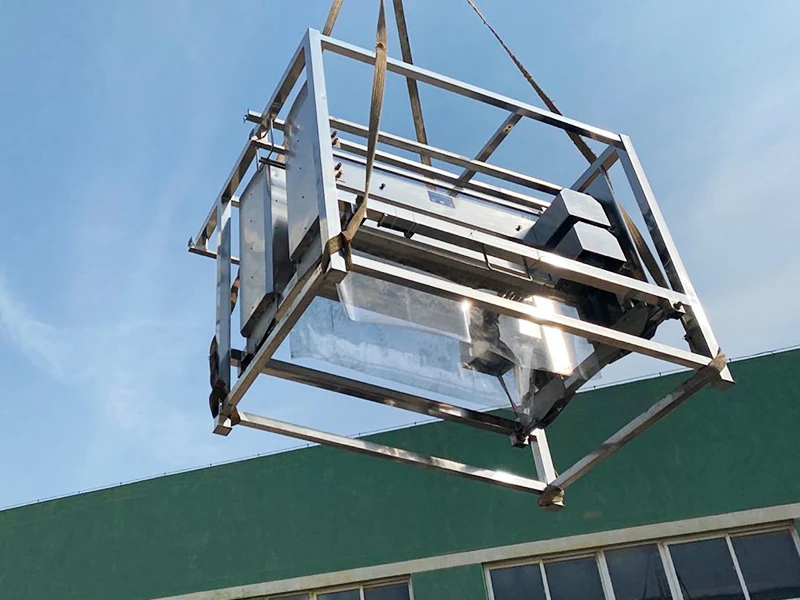
Balancing higher output with lower labor costs is one of the central challenges facing poultry processors today, especially as labor availability becomes less predictable in many regions. Eruis has designed its equipment lineup with this exact balance in mind, aiming to help facilities produce more while relying less heavily on large manual labor teams. This article explains how the right equipment choices can move the needle on both fronts at once.
The Labor Challenge in Poultry Processing
Finding and retaining reliable staff for physically demanding processing work has become increasingly difficult for many facilities, particularly in regions facing broader labor shortages. High turnover means constant retraining, which slows down operations and increases the risk of errors from inexperienced workers. Automating repetitive, physically taxing tasks reduces dependence on a large workforce, allowing facilities to maintain steady production even when staffing levels fluctuate from month to month.
How Automation Reduces Dependence on Manual Labor
Automated stunning, plucking, and evisceration systems handle tasks that traditionally required multiple workers performing repetitive, tiring motions throughout a full shift. Replacing these manual steps with reliable machinery frees up staff to focus on quality control, packaging, and other tasks that genuinely benefit from human judgment. Eruis equipment is built to handle these repetitive stages consistently, which reduces the total headcount needed to run a line at full capacity.
Measuring the Impact on Output
Facilities that switch to more automated poultry processing equipment often see a meaningful increase in daily throughput simply because machines do not need breaks, do not slow down from fatigue, and maintain a steady pace across an entire shift. This increase in output, combined with reduced labor costs, creates a strong return on investment over time. Plant managers tracking these numbers closely often find the payback period shorter than they initially expected when planning the equipment purchase.
Balancing Automation With Skilled Staff
Automation does not eliminate the need for skilled workers; it shifts their role toward oversight, quality control, and maintenance rather than repetitive manual tasks. Facilities still need trained staff to operate and maintain equipment properly, but this staffing model tends to be more stable and requires fewer total workers than a fully manual line. Investing in proper training for this smaller, more skilled team tends to pay off through fewer equipment issues and more consistent product quality.
Planning the Transition Carefully
Moving from manual to automated processing is a significant operational shift, and facilities benefit from planning this transition in stages rather than all at once. Starting with the most labor-intensive and physically demanding tasks often delivers the fastest returns while giving staff time to adjust to new workflows. Eruis works with buyers to plan these transitions thoughtfully, helping facilities achieve better output and lower labor costs without disrupting daily operations more than necessary.

 English
 Arabic
 French
 Spanish
 Portuguese
 Deutsch
 Turkish
 Dutch
Dutch
 Italiano
 Russian
 Romaian
 Portuguese (Brazil)