


Specifying a Museum Showcase — DG Furniture's Checklist for Exhibition Success
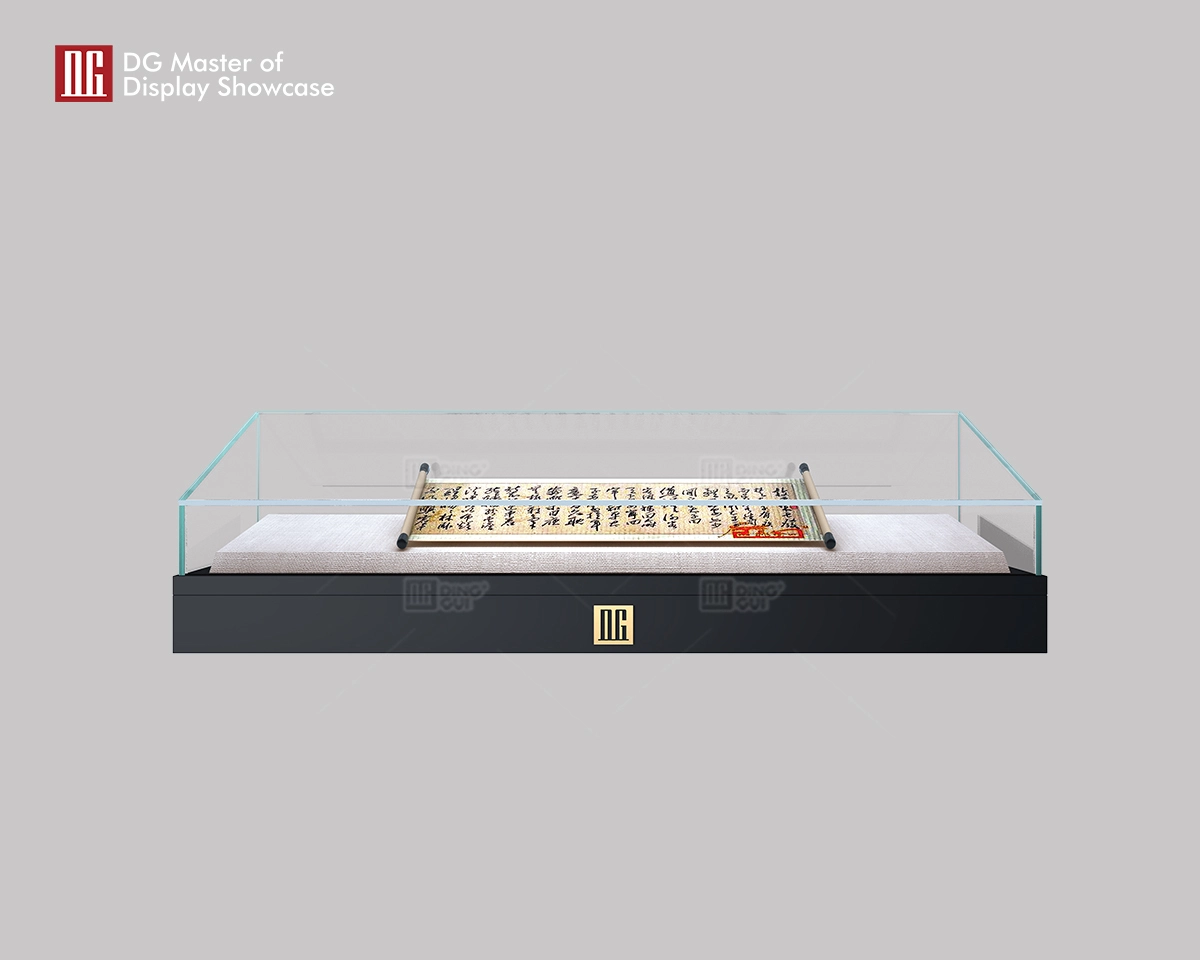
Specifying a new museum showcase involves numerous interconnected decisions, and working through a structured checklist helps curators and exhibition designers avoid overlooking important considerations that could affect both artifact protection and overall exhibition success. Projects that skip this kind of methodical planning often discover gaps only once fabrication is already underway, when correcting a missed requirement becomes considerably more expensive and disruptive than addressing it during the initial planning conversation. A clear, shared checklist also gives curatorial staff, exhibition designers, and manufacturers a common reference point throughout the entire project, reducing the miscommunication that can otherwise creep into a multi-stakeholder undertaking of this complexity.
Documenting Collection and Conservation Requirements
Exhibition planning should begin with thorough documentation of collection-specific conservation requirements, including material sensitivity, appropriate light exposure limits, and any specific humidity or temperature parameters that conservation staff have established for the artifacts being displayed. This documentation provides the foundation for every subsequent showcase specification decision, ensuring the final design genuinely addresses the collection's actual protective needs rather than generic assumptions. This documentation also proves valuable later, providing a clear reference point if questions arise during fabrication or after installation. Institutions should keep this documentation on file throughout the showcase's operational life, not just during the initial procurement process.
Confirming Structural and Space Planning Details
Exhibition designers should confirm structural details early, including case dimensions relative to available gallery space, floor loading capacity for particularly heavy cases, and how showcase placement fits within the broader exhibition layout and visitor flow pattern. Addressing these structural considerations early avoids the frustration of discovering space or loading conflicts only after a showcase has already been fabricated and delivered to the venue. A simple site visit or detailed floor plan review early in the process considerably reduces this kind of costly late discovery. Sharing these details early also gives manufacturers the opportunity to flag any potential conflicts well before fabrication actually begins.
Verifying Security and Insurance Requirements
Museum showcases often need to satisfy specific security requirements tied to insurance policies or loan agreements, particularly for borrowed artifacts from other institutions, making it essential to confirm these requirements explicitly before finalizing showcase specifications. A properly specified museum showcase addresses these security requirements directly, avoiding the serious complications that could arise if a lending institution's insurance requirements aren't genuinely satisfied by the receiving venue's display equipment. Lending institutions increasingly request specific documentation of security features before approving a loan, making this verification step genuinely essential. Skipping it, even under time pressure, tends to create considerably more disruption than the modest delay verification actually requires.
Planning Lighting and Visitor Sightline Considerations
Exhibition success depends partly on lighting and sightline planning, ensuring that showcase illumination presents artifacts compellingly while accommodating the actual viewing angles and crowd flow patterns anticipated for a particular exhibition space. This planning should happen collaboratively between exhibition designers and showcase manufacturers, since lighting specification and case design directly affect each other throughout the display development process. Reviewing lighting mockups alongside physical case samples gives curators a much clearer sense of how the final exhibition will actually appear.
Establishing Realistic Fabrication and Installation Timelines
Exhibition projects depend on realistic fabrication and installation timelines, and curators should confirm these timelines explicitly with manufacturers early in the planning process rather than assuming display equipment will simply be ready whenever an exhibition opening date happens to arrive. Building appropriate buffer time into this schedule protects against the genuine disruption that manufacturing delays could create for a carefully planned exhibition launch. Institutions that build this buffer time into every project schedule consistently avoid the stress of last-minute compressed timelines.
Completing the Checklist for Genuine Exhibition Success
Curators who work through collection requirements, structural planning, security verification, lighting coordination, and realistic timelines together position their exhibitions for considerably stronger success than those addressing these considerations reactively as problems arise. This comprehensive checklist approach ultimately protects both the artifacts on display and the overall visitor experience that makes an exhibition genuinely successful. Institutions that treat this checklist as a standard part of their exhibition planning process consistently experience smoother project timelines overall. Few habits deliver this much practical value relative to the modest additional planning effort required. Institutions that adopt this discipline consistently report calmer, more predictable exhibition openings.

 English
 French
 Spanish
 Portuguese
 Deutsch
 Turkish
 Dutch
Dutch
 Italiano
 Russian
 Romaian
 Portuguese (Brazil)
 Greek
Greek