


Choosing a Seiko: Navigating One of the World's Most Diverse Watch Lineups
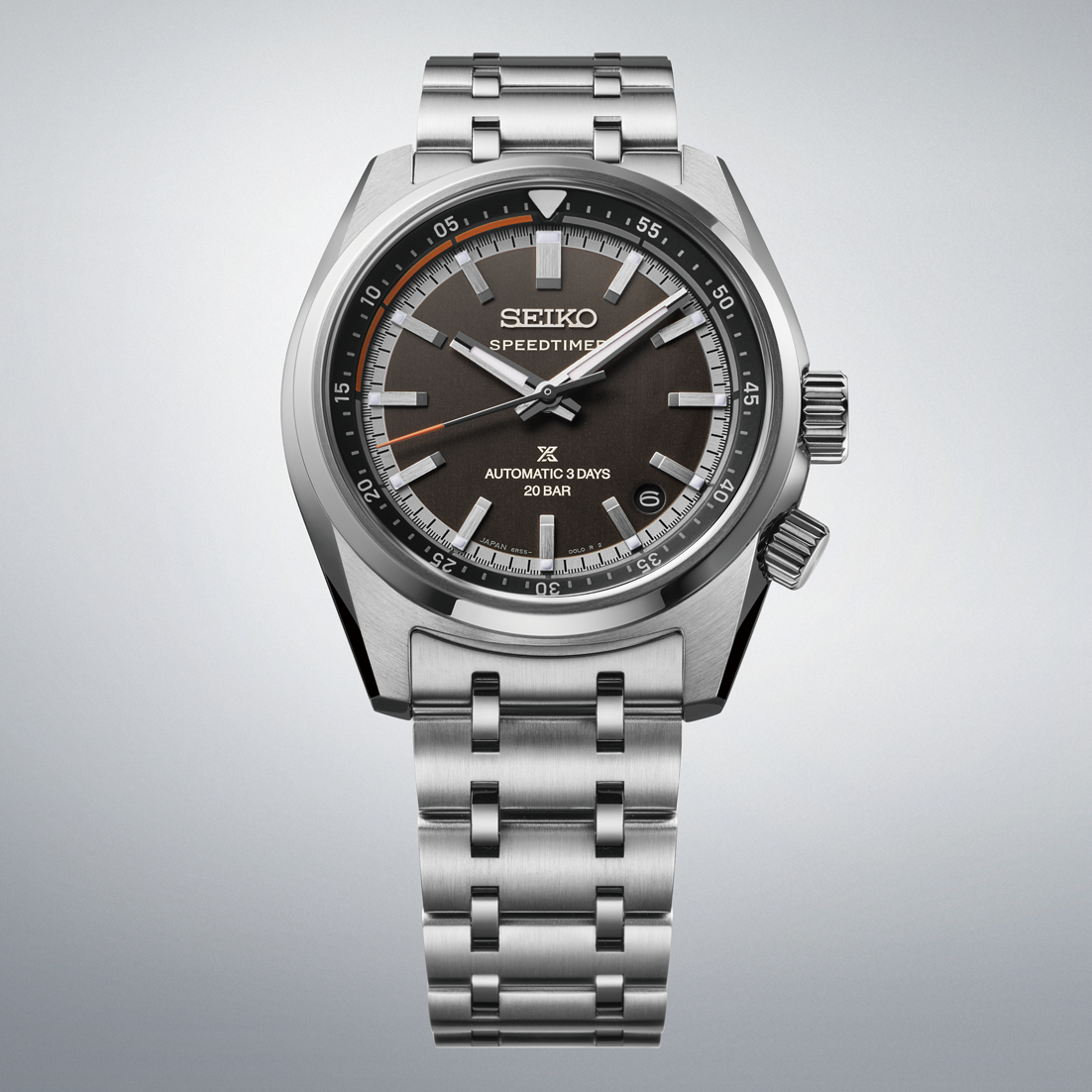
Few decisions in the world of horology feel as deceptively simple as choosing a Seiko watch. On the surface, buying a Seiko sounds straightforward: it's a well-known, respected Japanese brand with a reputation for reliability. But once a prospective buyer starts browsing, they quickly discover that Seiko's catalog is vast, spanning dozens of collections, hundreds of individual references, and price points ranging from under a hundred dollars to several thousand. Understanding how to navigate this landscape is essential to finding the right watch, whether the goal is a dependable daily companion, a rugged tool watch, or an entry into serious collecting.
Understanding the Collections
Seiko organizes its lineup into several distinct collections, each serving a different purpose and audience. The Seiko 5 series sits at the accessible end of the spectrum, offering automatic movements, day-date displays, and solid build quality at budget-friendly prices. These watches are frequently recommended as a first mechanical watch, since they introduce buyers to the experience of owning an automatic timepiece without demanding a significant financial commitment.
Moving up the range, the Prospex collection caters to those seeking rugged, purpose-built tool watches, particularly divers. These watches are engineered to withstand serious depths, shock, and harsh environmental conditions, making them popular among outdoor enthusiasts and professionals who need a timepiece capable of real-world durability. Certain Prospex models have earned enduring nicknames from the collector community, a sign of just how beloved these designs have become over the decades.
For buyers interested in more refined aesthetics, the Presage line showcases traditional Japanese craftsmanship, incorporating techniques like enamel dial work, Arita porcelain, and urushi lacquer finishing. These watches tend to appeal to those who want a dress watch with cultural depth and artisanal detail rather than a purely utilitarian design. Above these sits the Prospex sub-collections' higher-tier models and specialty releases, which incorporate more advanced materials and finishing while remaining within Seiko's core brand rather than the separately positioned Grand Seiko.
Automatic, Quartz, or Solar
Beyond choosing a collection, buyers must also consider movement type, a decision that significantly affects both maintenance and daily experience. Automatic movements, powered by the natural motion of the wearer's wrist, appeal to those who enjoy the mechanical romance of traditional watchmaking, though they require occasional servicing and may lose or gain a few seconds per day.
Quartz movements, meanwhile, offer exceptional accuracy and low maintenance, making them a practical choice for buyers who prioritize precision and convenience over mechanical tradition. Seiko has also developed solar-powered quartz technology, which charges the watch using ambient light and eliminates the need for battery replacement altogether, an appealing option for those who want quartz-level accuracy with added environmental and practical benefits.
Considering Size, Style, and Use Case
Given how broad Seiko's catalog is, buyers benefit from thinking carefully about intended use before narrowing their search. Someone seeking a watch for swimming or diving should prioritize models within the Prospex lineup with appropriate water resistance ratings and rotating bezels. Someone seeking a versatile everyday watch suitable for both casual and business settings might lean toward a Seiko 5 or entry-level Presage model with a clean dial and moderate case size. Those drawn to artisanal detail and slower-paced dress watch wearing may find the more elaborate Presage references particularly rewarding.
Case size and wrist fit also matter considerably, as Seiko produces watches ranging from compact, vintage-inspired designs to larger, more modern sport watch proportions. Trying watches on in person, when possible, remains one of the best ways to determine comfort and proportion before committing to a purchase.
Buying New Versus Vintage
Seiko's long production history also means that vintage models represent a compelling option for buyers interested in unique designs no longer manufactured today. Vintage Seiko watches from the 1960s through the 1980s often showcase distinctive case shapes, dial designs, and movement technology that reflect the era's design sensibilities. However, buyers pursuing vintage pieces should be prepared to research service history, movement condition, and potential parts availability, since older watches may require more specialized maintenance than current production models.
For those preferring the certainty of new watches, Seiko's current lineup offers robust warranty coverage and the assurance of buying through authorized retail channels, which helps avoid concerns about authenticity or undisclosed prior repairs.
Finding the Right Fit
Ultimately, choosing a Seiko watch comes down to matching a specific collection, movement type, and design aesthetic to individual needs and preferences. Few brands offer this level of choice while maintaining consistent quality standards across such a wide price range. Whether the goal is a rugged companion for outdoor adventures, an elegant dress watch rooted in Japanese artistry, or a dependable everyday timepiece, Seiko's expansive catalog ensures that thoughtful buyers can find a watch perfectly suited to their lifestyle, budget, and taste.

 English
 Arabic
 Spanish
 Portuguese
 Deutsch
 Turkish
 Dutch
Dutch
 Italiano
 Russian
 Romaian
 Portuguese (Brazil)
 Greek
Greek