


A Guide to Combining Routine Checkups with Vaccination at Home
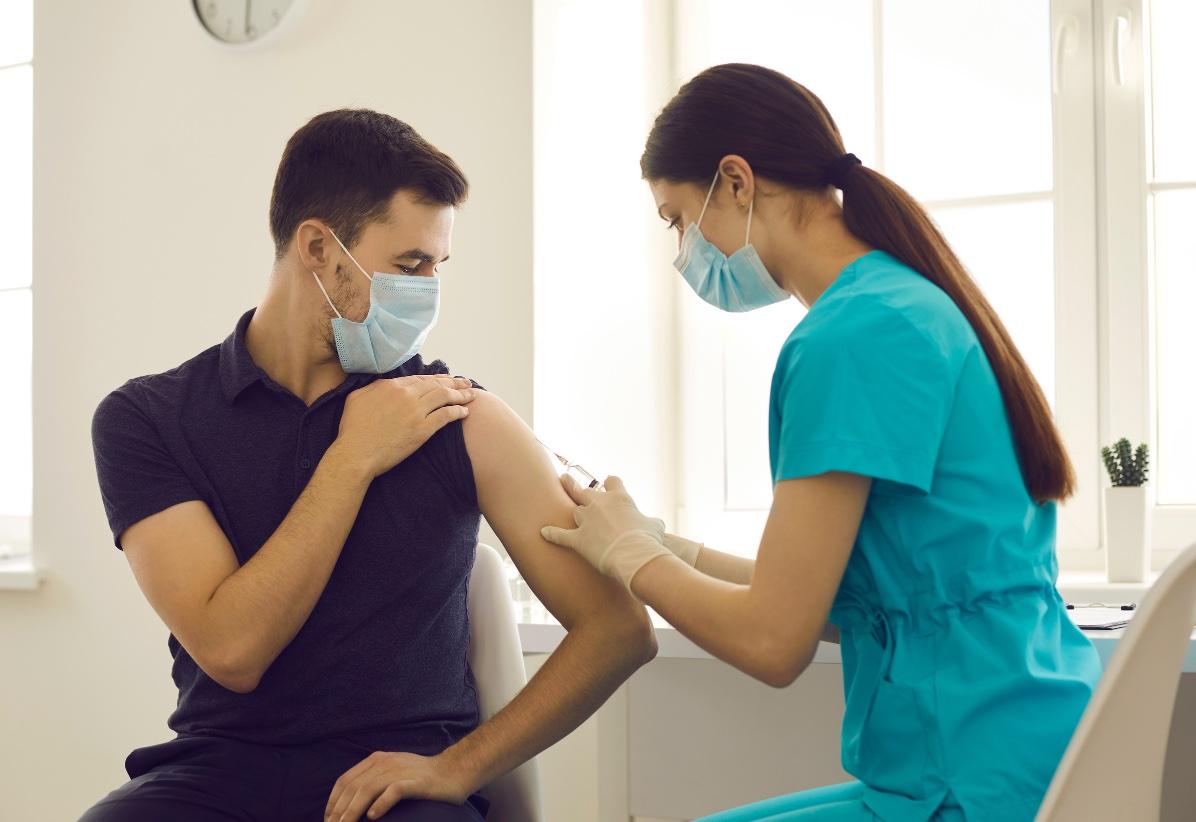
In today’s fast-paced world, maintaining good health often requires careful planning and proactive measures. Regular medical checkups are essential for monitoring your overall health, preventing disease, and catching potential issues before they become serious. Similarly, vaccinations are a cornerstone of preventive healthcare, protecting you and your family from numerous infectious diseases. Combining routine checkups with vaccinations at home offers a convenient, safe, and efficient approach to healthcare, especially for those with busy schedules, limited mobility, or health concerns that make frequent clinic visits challenging.
In this guide, we will explore why routine checkups and vaccinations are important, the benefits of combining them at home, and practical tips for making the process seamless and effective.
Understanding Routine Checkups
Routine medical checkups are periodic visits to healthcare professionals to evaluate your general health. These checkups often include a range of assessments such as:
- Physical examinations: Checking vital signs like blood pressure, heart rate, and weight.
- Laboratory tests: Blood tests, urine tests, and other diagnostic tests to detect early signs of health issues.
- Lifestyle counseling: Guidance on nutrition, exercise, mental health, and risk factors for chronic diseases.
- Screening for chronic conditions: Early detection of diabetes, hypertension, heart disease, or cancers.
The goal of these checkups is early detection and prevention. While a healthy individual might schedule checkups annually, certain conditions or risk factors may require more frequent monitoring.
The Importance of Vaccinations
Vaccines are critical for preventing diseases that can be serious or even life-threatening. Immunizations protect individuals by triggering the body’s immune response to fight infections. Some commonly recommended vaccines include:
- Influenza vaccine: To prevent seasonal flu.
- COVID-19 vaccine: To reduce severe infection and complications.
- Tetanus, diphtheria, and pertussis (Tdap) booster: For ongoing protection.
- Pneumococcal vaccines: Especially important for adults over 65 or those with chronic conditions.
- Childhood vaccines: Such as MMR (measles, mumps, rubella), polio, and hepatitis B.
Vaccinations not only protect you but also contribute to community immunity, reducing the spread of infectious diseases.
Benefits of At-Home Checkups and Vaccinations
With the advent of telemedicine and home healthcare services, combining routine checkups and vaccinations at home has become increasingly accessible. The benefits include:
1. Convenience and Time-Saving
Home visits eliminate the need to travel to clinics, wait in lines, or adjust your schedule to fit appointments. For busy professionals, parents, or caregivers, this convenience can be invaluable.
2. Comfort and Reduced Anxiety
Many people experience anxiety when visiting hospitals or clinics. At-home visits offer a familiar and comfortable environment, reducing stress, which can be particularly beneficial for children and seniors.
3. Personalized Attention
Healthcare providers visiting your home can spend more time with you, focusing on your specific needs, answering questions, and offering tailored advice for your health and lifestyle.
4. Safety and Reduced Exposure
During flu season or pandemics, minimizing exposure to crowded healthcare facilities can protect vulnerable individuals. At-home services limit contact with potentially contagious environments.
5. Integrated Healthcare
Combining checkups and vaccinations in a single visit means that your healthcare is more cohesive. Providers can review your health history, assess your current condition, and administer recommended vaccines in one appointment, ensuring nothing is overlooked.
How to Plan Your At-Home Health Services
To make the most of combining routine checkups with vaccinations at home, consider these steps:
Step 1: Schedule Regular Health Assessments
Create a schedule for routine checkups, ideally aligned with your healthcare provider’s recommendations. Discuss which tests, screenings, and evaluations are appropriate for your age, health condition, and lifestyle.
Step 2: Review Your Vaccination Records
Keep an updated record of all past vaccinations. This information helps healthcare providers determine which vaccines are due or overdue and ensures that you receive only the necessary immunizations.
Step 3: Choose a Reputable At-Home Healthcare Service
Select a certified and licensed healthcare provider that offers both checkups and vaccination services. Ensure they follow proper protocols for storage, handling, and administration of vaccines.
Step 4: Prepare Your Home
Designate a clean and quiet area for the healthcare provider to conduct examinations and administer vaccines. Gather relevant medical records, a list of medications, and any recent test results.
Step 5: Discuss Your Health Goals and Concerns
Use this opportunity to ask questions about your health, diet, exercise, and preventive measures. Providers can tailor recommendations, suggest lifestyle changes, and create a personalized health plan.
Best Practices During At-Home Vaccinations
Ensuring a smooth vaccination experience at home requires attention to a few key practices:
- Confirm vaccine eligibility: Some vaccines have age or health-related requirements.
- Check for allergies or contraindications: Inform the provider of any past reactions to vaccines or medications.
- Monitor post-vaccination: After receiving a vaccine, stay in a monitored area for 15–30 minutes to detect any immediate reactions.
- Maintain records: Keep track of vaccination dates and types for future reference.
Overcoming Challenges
While at-home health services are convenient, there are challenges to consider:
1. Limited Access to Certain Tests
Some diagnostic tests may require specialized equipment available only in clinics or hospitals. Providers may recommend combining home services with occasional lab visits.
2. Cost Considerations
At-home services may have higher fees than standard clinic visits. Check insurance coverage or service packages to ensure affordability.
3. Scheduling Conflicts
Coordinating your checkup and vaccination may require flexibility. Planning ahead and booking appointments early can help avoid delays.
Despite these challenges, the benefits of convenience, safety, and comprehensive care often outweigh the drawbacks.
Tips for Maximizing the Benefits
- Maintain a health diary: Track blood pressure, sugar levels, weight, and other vital signs between visits.
- Stay informed about vaccine updates: Health authorities often update vaccination schedules based on new data.
- Engage the family: At-home health services are particularly useful for elderly family members or children, making preventive care easier for everyone.
- Follow up: Schedule follow-ups or booster vaccines as recommended to maintain protection.
Conclusion
Combining routine checkups with at-home vaccinations is a modern, practical approach to preventive healthcare. It offers the dual benefits of convenience and comprehensive care, ensuring you and your loved ones stay healthy without the stress and hassle of frequent clinic visits. By planning ahead, choosing reputable providers, and keeping accurate health records, you can make the most of these services, safeguarding your health proactively.
Investing in preventive healthcare at home is more than just a convenience—it’s a commitment to long-term wellness, early detection, and protection against preventable diseases. Whether you are managing chronic conditions, caring for elderly family members, or simply aiming to stay healthy, integrating routine checkups with vaccinations at home is a strategy that saves time, reduces risk, and fosters peace of mind.

 English
 Arabic
 French
 Spanish
 Portuguese
 Deutsch
 Dutch
Dutch
 Italiano
 Russian
 Romaian
 Portuguese (Brazil)
 Greek
Greek