


Bolt Seals for Shipping Containers: A Complete Guide
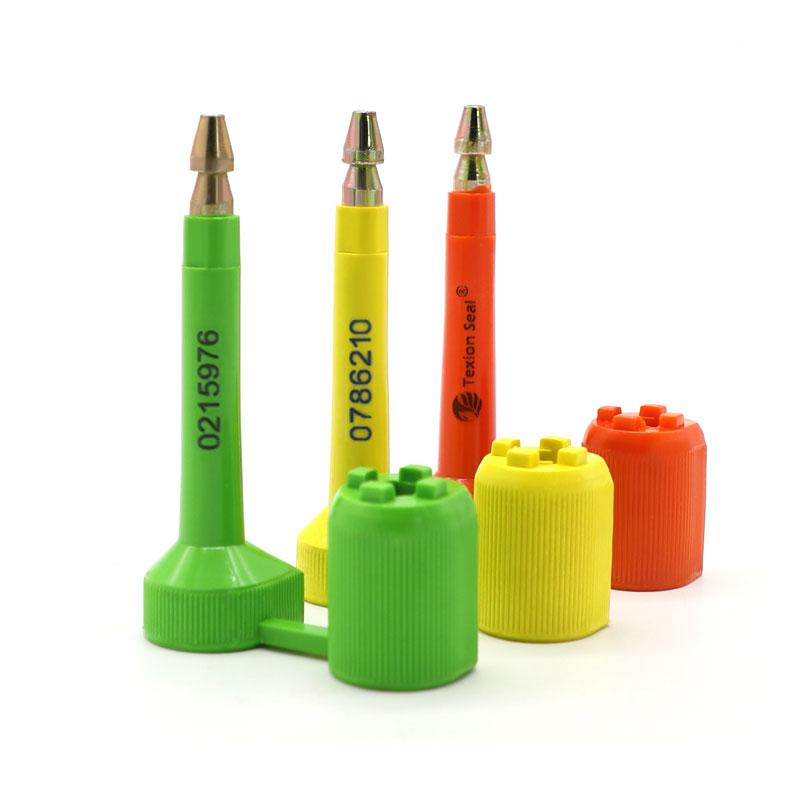
Global shipping relies on trust, and trust starts with knowing that a container hasn't been tampered with between origin and destination. That's where bolt seals come in. Recognized as one of the strongest tamper-evident solutions available, bolt seals are the go-to choice for securing high-value cargo, meeting customs regulations, and giving logistics teams peace of mind at every checkpoint.
This article breaks down how bolt seals work, why they're built the way they are, and what buyers should know before choosing them for container security.
What Are Bolt Seals and Why Do They Matter?
A bolt seal is a high-security, single-use device made from hardened steel or aluminum, designed to lock container doors in a way that shows immediate, visible evidence if tampering has occurred. Unlike padlocks, bolt seals aren't meant to be reusable or removable without cutting; once applied, the only way to open the container is to break the seal, which leaves clear proof of interference. This makes bolt seals for shipping containers one of the most trusted tools in international logistics, especially for cargo crossing multiple borders, ports, and handling points where accountability is essential. Freight forwarders, customs officials, and importers all rely on these seals to confirm that a container's contents remain exactly as they were when it left the point of origin.
How Bolt Seals Are Constructed
The strength of a bolt seal comes down to its simple but effective design. A metal pin, or "bolt," is inserted through a locking barrel and secured so it cannot be removed without cutting tools. Steel versions are typically used for high-risk or high-value shipments due to their superior resistance to cutting, prying, and freezing, while aluminum bolt seals offer a lighter, more economical option for lower-risk cargo. Reputable manufacturers test their products against ISO 17712 standards, which classify seals into High Security, Security, or Indicative categories based on how much force is required to break them. This classification system gives buyers a clear benchmark for choosing the right seal strength for their specific shipping needs.
Why Bolt Seals Are Preferred for Container Security
Shipping containers travel through numerous hands before reaching their final destination, from port workers to customs agents to freight handlers. Every one of those touchpoints introduces a potential risk of tampering, theft, or unauthorized access. This is why so many logistics companies specifically request bolt seals for shipping containers rather than lighter-duty alternatives like cable or padlock seals. Their strength and resistance to manipulation make them far more difficult to bypass without leaving obvious damage, which discourages tampering attempts altogether. In many cases, bolt seals are also a requirement under international shipping regulations, particularly for cargo moving through customs-monitored trade programs designed to prevent smuggling and unauthorized cargo substitution.
Compliance and Regulatory Standards
Bolt seals used in international shipping are typically required to meet ISO 17712 certification, a globally recognized standard that ensures consistency in strength, materials, and testing procedures. Beyond ISO certification, many shipments moving through U.S. ports must also comply with Customs-Trade Partnership Against Terrorism (C-TPAT) guidelines, which mandate the use of high-security seals for container tracking and accountability. Choosing seals that meet these standards isn't optional for most international shippers, it's a fundamental part of maintaining compliance and avoiding delays at customs checkpoints. Buyers should always request certification documentation from their supplier to confirm that the seals they're purchasing meet the necessary regulatory requirements before shipments go out.
Application and Handling Best Practices
Applying a bolt seal correctly is just as important as choosing the right one. The seal should be inserted firmly through the container's locking mechanism and visually inspected to confirm it's fully engaged before the container departs. Logistics teams typically record the seal's unique serial number, which is printed on the seal itself, to maintain a documented chain of custody. This serial number allows anyone inspecting the container to verify that the seal matches shipping records and hasn't been swapped or replaced. Proper training on application and inspection procedures helps reduce human error, which remains one of the most common causes of security lapses in container shipping.
Choosing the Right Supplier
Not all bolt seals are created equal, and sourcing from an unreliable manufacturer can undermine the very security these products are meant to provide. When evaluating suppliers, buyers should look for consistent ISO 17712 certification, transparent testing records, and the ability to provide traceable serial numbering for audit purposes. Reliable manufacturers of bolt seals for shipping containers typically offer product samples, batch testing documentation, and support for custom branding or numbering sequences for companies managing large shipping volumes. Working with an established supplier also means faster turnaround times and consistent quality across every order, which matters for businesses that rely on predictable shipping schedules. Requesting a few samples before committing to a bulk order is a smart way to confirm that a supplier's seals hold up to your specific operational needs.
For companies shipping high volumes of cargo, standardizing on bolt seals for shipping containers across all shipments can simplify compliance tracking and reduce the risk of using mismatched or lower-grade security across a fleet. Consistency in seal type and supplier also makes it easier to train staff, streamline documentation, and respond quickly if an audit or inspection raises questions about a specific shipment.
Conclusion
Bolt seals remain one of the most trusted tools for protecting shipping containers against tampering, theft, and unauthorized access. Their strength, compliance with international standards, and ease of verification make them a practical choice for businesses managing global supply chains. Choosing the right seal type and sourcing from a certified, reliable supplier can make a meaningful difference in protecting cargo and maintaining smooth operations across every leg of the shipping process.
If your business ships internationally, now is a good time to review your current sealing practices and confirm they meet today's compliance requirements. Reach out to a certified supplier to request samples, certification documents, or a customized quote for your next shipment.

 English
 Arabic
 French
 Spanish
 Portuguese
 Deutsch
 Turkish
 Dutch
Dutch
 Russian
 Romaian
 Portuguese (Brazil)
 Greek
Greek