


Beyond Fusion: Understanding Motion-Sparing Neck Surgery Options
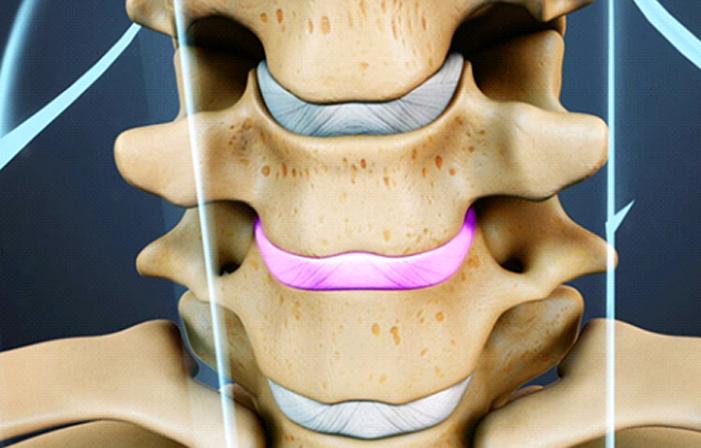
When degenerative disc disease, herniated discs, or facet‑joint pathology threaten the stability of the cervical spine, the traditional remedy has long been anterior cervical discectomy and fusion (ACDF). While fusion reliably eliminates pain by immobilizing the offending segment, it also sacrifices the natural motion of that level, potentially accelerating wear on adjacent vertebrae and limiting a patient’s range of motion. “Beyond fusion” techniques therefore aim to preserve—or at least mimic—the spine’s biomechanics, offering pain relief without the long‑term trade‑offs of rigid fixation.
One of the most widely adopted motion‑sparing options is cervical disc arthroplasty, a prosthetic disc that replaces the diseased native disc while maintaining flexion‑extension, rotation, and lateral bending. Modern designs feature a mobile core housed within biocompatible metal or polymer shells, allowing physiologic motion that reduces stress on neighboring levels. Clinical studies consistently show comparable short‑term pain relief to ACDF, with lower rates of adjacent‑segment degeneration and a quicker return to normal activities. Ideal candidates are patients with isolated single‑level disease, preserved facet joints, and sufficient bone quality to support the implant.
For patients with multilevel pathology or significant posterior element involvement, laminoplasty and cervical laminoforaminotomy provide an alternative route that reshapes rather than removes bone. Laminoplasty creates a “hinge” on one side of the lamina and expands the spinal canal, decompressing the cord while retaining the posterior tension band. This preserves much of the spine’s natural kinematics and is especially valuable in younger, active individuals or those with kyphotic cervical alignment. Similarly, cervical facet joint replacement or dynamic stabilization systems—such as pedicle‑based flexible rods or interlaminar devices—offer targeted motion preservation at the facet level, attenuating the hyper‑mobility that can follow a fusion.
The decision to follow a motion‑sparing procedure center on a careful balance of anatomy, symptomatology, and long‑term goals. Surgeons evaluate disc height, facet integrity, alignment, and the presence of osteophytes using advanced imaging, while patients consider factors such as activity level, occupational demands, and willingness to embrace newer technologies. Although no single technique fits every case, the expanding armamentarium of Motion Sparing Neck Surgeries signals a paradigm shift: instead of defaulting to fusion, clinicians now have a spectrum of options that can maintain cervical mobility, diminish the cascade of adjacent‑segment disease, and ultimately improve quality of life for a broader range of patients.

 English
 Arabic
 French
 Spanish
 Portuguese
 Deutsch
 Turkish
 Dutch
Dutch
 Italiano
 Russian
 Romaian
 Greek
Greek