


Expert Prostatic Artery Embolization for Lasting Symptom Relief
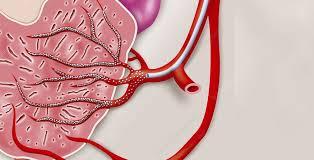
An enlarged prostate, medically known as Benign Prostatic Hyperplasia (BPH), is a common condition that affects many men as they grow older. Although it is not cancerous, an enlarged prostate can cause bothersome urinary symptoms that interfere with everyday activities, sleep, and overall quality of life. Fortunately, advances in interventional radiology have introduced effective alternatives to traditional surgery. The prostate embolization technique is a minimally invasive procedure that helps reduce prostate size while improving urinary function with less discomfort and a shorter recovery period.
This innovative treatment has become an excellent option for men seeking symptom relief without undergoing major surgery. By targeting the blood vessels that supply the enlarged prostate, the procedure offers lasting improvements while allowing patients to return to normal activities more quickly.
Understanding Benign Prostatic Hyperplasia
The prostate is a small gland located below the bladder and surrounding the urethra, which carries urine out of the body. As men age, the prostate often enlarges naturally. When this enlargement compresses the urethra, it restricts urine flow and creates a variety of urinary problems.
Common symptoms of BPH include:
-
Frequent urination
-
Difficulty starting urination
-
Weak urine stream
-
Interrupted urine flow
-
Feeling that the bladder is not completely empty
-
Frequent nighttime urination
-
Sudden urgency to urinate
-
Dribbling after urination
These symptoms often develop gradually and may worsen over time if left untreated.
What Is the Procedure?
The prostate embolization technique is an image-guided procedure performed by an interventional radiologist. Instead of removing prostate tissue through surgery, the physician inserts a thin catheter into an artery, usually through the wrist or groin, and carefully guides it to the arteries supplying the prostate.
Tiny embolic particles are then injected into these arteries, reducing blood flow to the enlarged prostate tissue. As the blood supply decreases, the prostate gradually shrinks over several weeks and months, relieving pressure on the urethra and improving urinary symptoms.
Because only a small catheter is used, there is no need for large surgical incisions, making the procedure less invasive than many conventional treatment options.
Benefits of a Minimally Invasive Approach
Many patients choose minimally invasive treatment because it provides several important advantages compared to traditional prostate surgery.
Some of the primary benefits include:
-
No large surgical incision
-
Reduced recovery time
-
Lower risk of complications
-
Minimal blood loss
-
Short hospital stay or outpatient treatment
-
Less postoperative discomfort
-
Improved urinary flow
-
Faster return to normal daily activities
These advantages make the procedure appealing to men seeking effective treatment with minimal disruption to their routine.
Who May Benefit from This Treatment?
Not every patient with an enlarged prostate requires the same treatment. The most appropriate option depends on symptom severity, prostate size, overall health, and personal treatment goals.
This procedure may be suitable for men who:
-
Experience moderate to severe urinary symptoms
-
Have enlarged prostates due to BPH
-
Have not achieved sufficient relief with medications
-
Wish to avoid traditional surgery
-
Are considered higher-risk surgical candidates because of other medical conditions
A complete medical evaluation helps determine whether this minimally invasive procedure is appropriate for each individual.
Preparing for the Procedure
Before treatment, patients undergo a thorough consultation that includes a review of medical history, physical examination, imaging studies, and laboratory testing. These evaluations allow physicians to assess prostate size and identify the blood vessels involved in supplying the gland.
Patients may receive instructions regarding:
-
Medication adjustments
-
Fasting before treatment
-
Hydration recommendations
-
Transportation arrangements
-
Recovery planning
Carefully following these instructions helps reduce complications and supports successful treatment outcomes.
Recovery and Healing
Recovery is generally quicker than with conventional prostate surgery. Most patients are discharged the same day or after a brief observation period.
During the first few days, some temporary symptoms may occur, including:
-
Mild pelvic discomfort
-
Increased urinary frequency
-
Slight burning during urination
-
Fatigue
-
Minor bruising near the catheter insertion site
These symptoms typically improve with rest, hydration, and medications prescribed by the physician.
Many patients resume office work and light daily activities within several days, although individual recovery times vary.
Long-Term Improvements
As the prostate gradually shrinks following treatment, urinary symptoms continue improving over several weeks and months.
Many patients report:
-
Stronger urine flow
-
Reduced urinary urgency
-
Fewer nighttime bathroom visits
-
Improved bladder emptying
-
Better sleep quality
-
Enhanced overall comfort
Because the improvement occurs gradually, patients often notice continuing progress during follow-up appointments.
Regular monitoring helps physicians evaluate treatment success and ensure ongoing symptom relief.
Safety Considerations
Like any medical procedure, this treatment carries certain risks, although serious complications are uncommon when performed by experienced specialists.
Potential risks include:
-
Mild bleeding at the catheter insertion site
-
Temporary urinary discomfort
-
Infection
-
Allergic reaction to contrast material
-
Temporary pelvic pain
Careful patient selection, advanced imaging guidance, and expert technique help minimize these risks while improving treatment outcomes.
Patients should discuss the potential benefits and possible complications with their healthcare provider before making treatment decisions.
Choosing an Experienced Specialist
The success of minimally invasive prostate treatment depends significantly on the expertise of the physician performing the procedure. Interventional radiologists receive specialized training in catheter-based image-guided techniques that allow precise treatment of targeted blood vessels.
Choosing an experienced medical team ensures comprehensive evaluation, individualized treatment planning, expert procedural care, and ongoing follow-up throughout recovery.
Open communication with healthcare providers also helps patients understand what to expect before, during, and after treatment.
Conclusion
Modern advances in interventional radiology have created effective alternatives to traditional surgery for men living with enlarged prostate symptoms. The prostate embolization technique offers a safe, minimally invasive approach that reduces prostate size while improving urinary function and minimizing recovery time.
For men seeking long-lasting relief from bothersome urinary symptoms, the prostate embolization technique may provide an excellent treatment option without the need for major surgery. Consulting with an experienced specialist can determine whether the prostate embolization technique is appropriate based on individual health needs, helping patients achieve better urinary health and an improved quality of life.

 English
 Arabic
 French
 Spanish
 Portuguese
 Deutsch
 Turkish
 Italiano
 Russian
 Romaian
 Portuguese (Brazil)
 Greek
Greek