


Paternity Test FAQs: Answers to the Most Common Questions
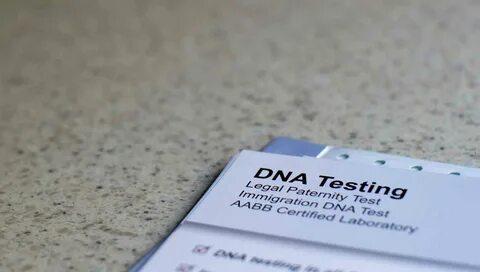
Paternity testing can provide clear answers about biological parentage, but many people have questions about how the process works, how accurate the results are, and what legal or emotional considerations may be involved. Understanding the basics of DNA paternity testing can help individuals make informed decisions before beginning the process.
This FAQ-style guide answers the most common questions about Paternity Test in Dubai including sample collection, result interpretation, legal requirements, privacy, and factors that can affect accuracy.
What Is a Paternity Test?
A paternity test is a DNA test used to determine whether a man is the biological father of a child. The test compares genetic markers in the child’s DNA with those in the alleged father’s DNA. Because a child inherits half of their DNA from each biological parent, the test can establish or exclude a biological relationship.
Paternity tests are commonly used for:
-
Confirming biological parentage
-
Child support cases
-
Child custody and visitation disputes
-
Inheritance and estate claims
-
Immigration applications
-
Personal peace of mind
How Does a DNA Paternity Test Work?
A DNA paternity test works by analyzing specific genetic markers, often called short tandem repeats (STRs), in the DNA samples of the child and the alleged father. The laboratory compares these markers to determine whether the alleged father shares the expected paternal genetic contribution with the child.
The process generally involves:
-
Collecting DNA samples, usually with cheek swabs.
-
Extracting DNA from the collected cells.
-
Analyzing multiple genetic markers.
-
Comparing the child’s DNA profile with the alleged father’s DNA profile.
-
Calculating the probability of paternity.
How Accurate Is a Paternity Test?
DNA paternity testing is highly accurate when performed by an accredited laboratory using proper procedures. Most modern paternity tests can:
-
Confirm paternity with a probability greater than 99.9%.
-
Exclude paternity with near 100% certainty when the tested man is not the biological father.
The accuracy depends on proper sample collection, reliable laboratory analysis, and adherence to quality control standards.
Is a Paternity Test Painful?
No. Most paternity tests use a buccal swab, also known as a cheek swab, to collect DNA samples. A sterile cotton swab is gently rubbed inside the cheek to collect cells containing DNA.
This procedure is:
-
Painless
-
Non-invasive
-
Quick, usually taking only a few seconds per sample
-
Suitable for adults, children, and newborns
Can a Newborn Have a Paternity Test?
Yes. A paternity test can be performed on a newborn using a cheek swab. The procedure is safe and painless for infants, making it possible to establish biological parentage shortly after birth.
Can Paternity Be Determined Before Birth?
Yes. A non-invasive prenatal paternity test (NIPP) can determine biological paternity during pregnancy. This test analyzes fetal DNA found in the mother’s bloodstream and compares it with the alleged father’s DNA.
Prenatal paternity testing typically requires:
-
A blood sample from the pregnant mother.
-
A DNA sample from the alleged father, usually collected by cheek swab.
This method is generally considered safe because it does not require invasive procedures such as amniocentesis.
Does the Mother Need to Be Tested?
In most standard paternity tests, the mother’s DNA sample is not required. The test can usually determine paternity by comparing the child’s DNA directly with the alleged father’s DNA.
However, including the mother’s DNA sample can sometimes:
-
Simplify the analysis.
-
Help identify which genetic markers the child inherited from the mother.
-
Provide additional confirmation in complex cases.
How Long Does It Take to Get Results?
The turnaround time for paternity test results depends on the laboratory and the type of test. Standard DNA paternity tests typically provide results within 3 to 7 business days after the laboratory receives the samples.
Some laboratories offer expedited testing, which may provide results in as little as 24 to 48 hours for an additional fee.
What Is the Difference Between an At-Home and a Legal Paternity Test?
At-Home DNA Paternity Test:
-
Samples are collected by the participants themselves.
-
The test is usually intended for personal knowledge.
-
The DNA analysis can be highly accurate.
-
The results may not be admissible in court because the sample collection is not supervised.
Legal Paternity Test:
-
Samples are collected by an authorized professional.
-
Participant identities are verified.
-
The chain-of-custody process documents sample handling.
-
The results are generally admissible in legal proceedings, such as child support, custody, inheritance, and immigration cases.
What Is Chain of Custody?
Chain of custody refers to the documented process that tracks the handling of DNA samples from collection through laboratory analysis and result reporting. This process is essential for legal paternity tests because it helps ensure that the samples are authentic and have not been tampered with.
Chain of custody typically includes:
-
Verification of participant identities.
-
Supervised sample collection.
-
Secure labeling and packaging of samples.
-
Documentation of sample transfer and handling.
-
Secure storage and processing in the laboratory.
What Do the Results Mean?
Positive Result:
A positive result indicates that the tested man is included as the biological father. Most laboratories report this as a probability of paternity of 99.9% or higher.
Negative Result:
A negative result indicates that the tested man is excluded as the biological father. This is usually reported as a 0% probability of paternity.
Inconclusive Result:
Inconclusive results are rare but may occur if the DNA sample is insufficient, contaminated, or affected by technical issues. In such cases, the laboratory may request a new sample.
Can a Paternity Test Be Wrong?
When performed by an accredited laboratory using proper procedures, paternity tests are highly reliable. Errors are rare and are usually related to:
-
Sample contamination.
-
Insufficient DNA in the sample.
-
Sample mislabeling or mix-ups.
-
Failure to follow chain-of-custody procedures in legal tests.
Choosing a reputable accredited laboratory and following sample collection instructions carefully can help minimize these risks.
Can Someone Refuse to Take a Paternity Test?
Yes, an individual may refuse to take a paternity test in many situations. However, if the test is requested as part of a legal proceeding, such as a child support or custody case, a court may order the alleged father to undergo testing. Refusal to comply with a court order can have legal consequences, depending on the jurisdiction.
How Much Does a Paternity Test Cost?
The cost of a paternity test varies depending on the type of test and the laboratory.
-
At-home paternity tests: Generally less expensive and intended for personal knowledge.
-
Legal paternity tests: Usually cost more because of identity verification and chain-of-custody procedures.
-
Prenatal paternity tests: Often the most expensive option because of the specialized analysis required.
Before choosing a test, compare pricing, accreditation, turnaround time, and whether the results will meet your intended purpose.
Is Paternity Testing Confidential?
Reputable paternity testing laboratories should have clear policies regarding privacy and confidentiality. Before submitting samples, review the laboratory’s privacy policy to understand:
-
How your genetic information will be stored.
-
Who will have access to the results.
-
Whether samples will be retained or destroyed after testing.
-
How confidential information will be protected.
What Should I Consider Before Taking a Paternity Test?
Before proceeding with a paternity test, consider the following factors:
-
Purpose of the test: Determine whether the results are needed for personal knowledge or legal use.
-
Type of test: Choose an at-home, legal, or prenatal test based on your situation.
-
Accredited laboratory: Select a reputable laboratory with recognized accreditation.
-
Consent requirements: Understand local laws regarding consent for testing, especially when a child is involved.
-
Emotional impact: Consider how the results may affect family relationships and seek support if needed.
Final Thoughts:
Paternity Lab tests is a reliable and accessible way to determine biological parentage. By understanding the process, accuracy, legal requirements, and common questions surrounding DNA paternity testing, individuals can make informed decisions with greater confidence.
Whether the test is sought for personal reassurance, legal proceedings, medical information, or family clarity, choosing an accredited laboratory and selecting the appropriate type of test are important steps in obtaining trustworthy results.

 English
 Arabic
 French
 Spanish
 Portuguese
 Deutsch
 Turkish
 Dutch
Dutch
 Italiano
 Romaian
 Portuguese (Brazil)
 Greek
Greek