


Environmental Benefits of Hot Dip Galvanizing — Pacific Galvanizing's Sustainable Approach
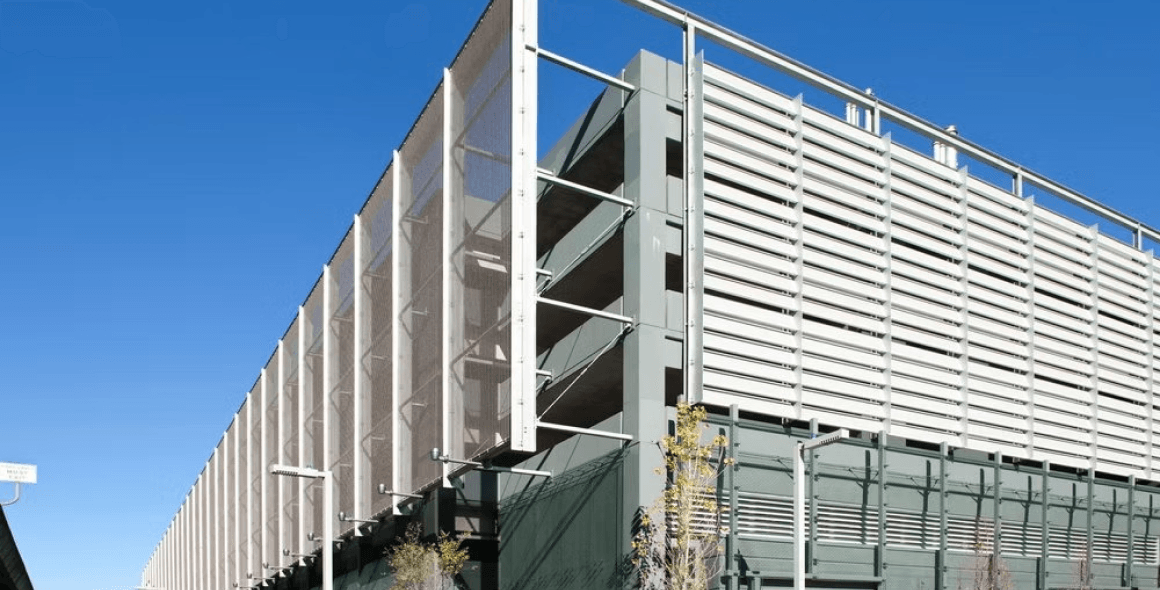
Sustainability is increasingly a central consideration in material specification decisions, and corrosion protection systems are no exception. Every specification decision has environmental implications — in the materials consumed, the energy used, the emissions generated during application, and the maintenance and replacement cycles the protection system requires over a structure's lifetime. Hot dip galvanizing has a compelling environmental profile that is often underappreciated, and Pacific Galvanizing's approach to its own operations further enhances the sustainability credentials of the galvanizing it provides to Northern California clients.
The Long Service Life Argument for Environmental Benefit
The most significant environmental benefit of hot dip galvanizing is its long service life. A galvanized structure that provides 50 to 75 years of service without coating maintenance or replacement has a dramatically lower lifecycle environmental impact than a painted structure that requires recoating every 15 to 20 years. Each recoating cycle involves material consumption, energy use, and emissions from surface preparation (including abrasive blasting) and paint application. The carbon, energy, and material embedded in galvanizing's extended service life is amortized over a period that is two to four times longer than for most paint systems, making galvanizing's environmental impact per year of service life significantly lower.
Zinc Recyclability and End-of-Life Considerations
Zinc is one of the most recycled metals in the world. At the end of a structure's service life, galvanized steel is fully recyclable — the zinc coating is either recovered as part of the steel recycling process or collected separately. Pacific Galvanizing's own zinc supply chain includes recycled zinc content, reducing the demand for virgin zinc mining. The zinc used in the galvanizing bath is consumed very efficiently, with spatter and dross collected and returned to zinc recyclers. This closed-loop zinc economy means that the material resource footprint of galvanizing is significantly reduced from what it would be with virgin material inputs.
Pacific Galvanizing's Environmental Management Practices
Northern California galvanizing facilities operate under some of the most stringent environmental regulations in the country, and Pacific Galvanizing's compliance with these regulations reflects a genuine commitment to environmental responsibility. Wastewater from pickling and rinsing operations is treated through a multi-stage neutralization and precipitation process before any effluent is discharged, meeting or exceeding the standards set by regional water quality authorities. Air emissions from the zinc bath — primarily zinc oxide fumes — are captured and controlled through ventilation and filtration systems that minimize worker exposure and atmospheric release. Chemical storage and handling practices comply with California's rigorous hazardous materials regulations.
Galvanizing vs. Paint for Lifecycle Carbon Assessment
Lifecycle carbon assessments of corrosion protection systems consistently show that hot dip galvanizing compares favorably to paint systems when the full lifecycle is considered. While galvanizing may have higher initial carbon intensity than some paint systems due to the energy required to maintain the zinc bath at operating temperature, the absence of recoating cycles over a 50-year plus service life means that galvanizing's cumulative carbon footprint over the life of a structure is often significantly lower. For project owners who are conducting lifecycle assessments as part of sustainability reporting or green building certification programs, Pacific Galvanizing can provide environmental product declaration data to support these analyses.
Galvanizing's Compatibility With Green Building Certification
Several green building certification programs, including LEED, recognize the environmental attributes of hot dip galvanizing in ways that can contribute to certification credits. The material's recycled content, its contribution to reduced maintenance requirements, and its lifecycle carbon performance can all be relevant to specific credit categories. Northern California Galvanizing clients pursuing LEED or other green building certifications can work with Pacific Galvanizing to obtain the documentation and environmental product data needed to support credit submissions. The team's familiarity with these documentation requirements means that sustainability-focused clients receive the support they need without having to educate the galvanizer about the certification system.
The Sustainable Choice for Northern California Infrastructure
The environmental case for hot dip galvanizing is strongest when viewed over the full lifecycle of a structure — taking into account not just the initial material and energy inputs but the ongoing maintenance requirements, recoating cycles, and eventual end-of-life disposition. For Northern California infrastructure that is designed to serve for decades, galvanizing's combination of long service life, recyclability, and responsible production practices makes it one of the most environmentally sound corrosion protection choices available. Pacific Galvanizing's commitment to environmental compliance and continuous improvement in its own operations reinforces this environmental advantage, making it possible for clients to specify galvanizing with confidence that it represents a genuinely sustainable material choice.

 English
 Arabic
 French
 Portuguese
 Deutsch
 Turkish
 Dutch
Dutch
 Italiano
 Russian
 Romaian
 Portuguese (Brazil)
 Greek
Greek