


Ancestry DNA Test vs Traditional Family History Research
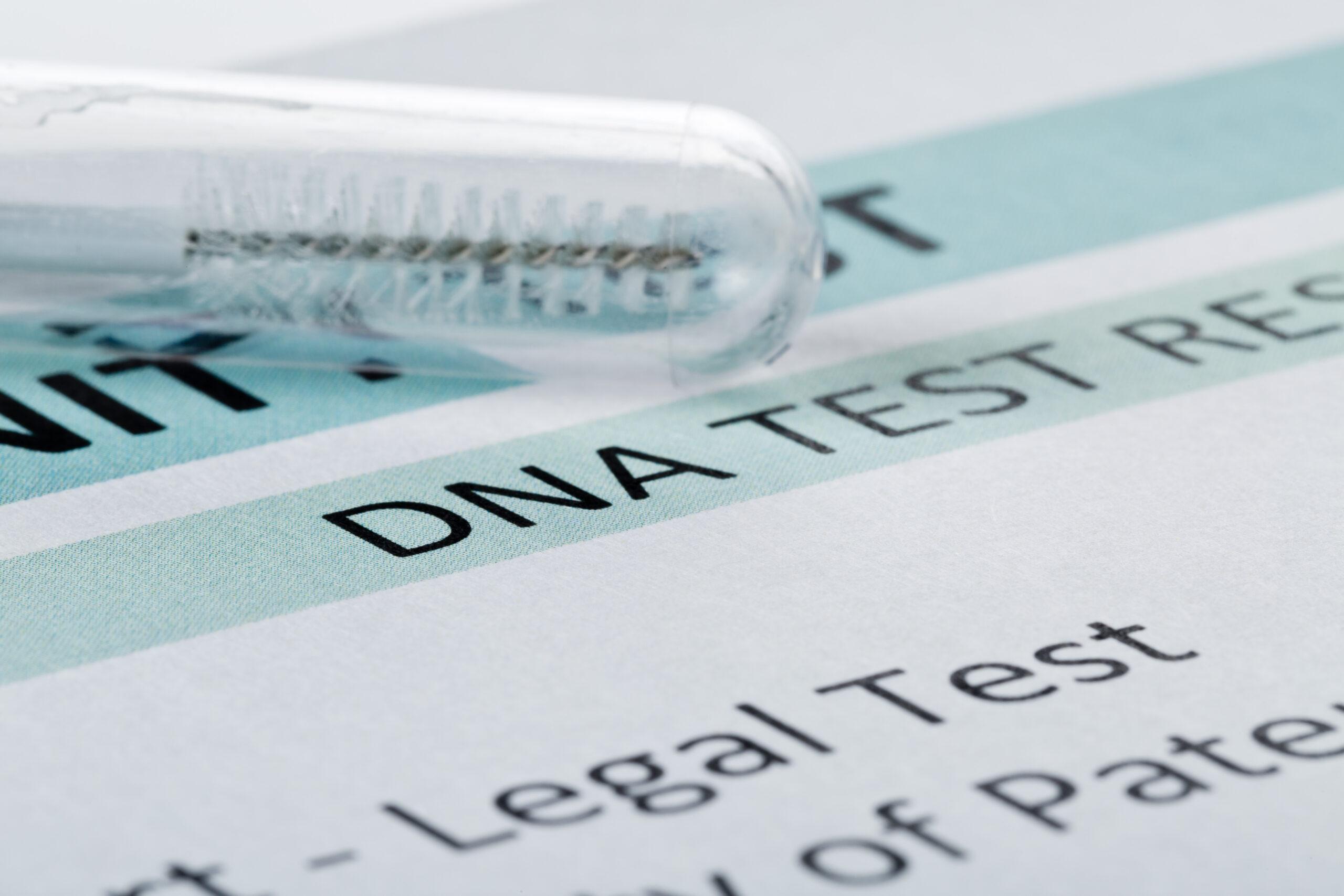
Tracing your family history has fascinated people for generations. Long before genetic testing became available, researchers relied on historical documents, family records, photographs, and oral traditions to build family trees. Today, an ancestry DNA test has introduced a scientific approach that complements traditional genealogy by analyzing inherited genetic markers to reveal ancestral origins and biological relationships.
Many people wonder whether Ancestry DNA Test in UAE has replaced conventional family history research. The answer is no. Both approaches offer unique strengths, and the most accurate picture of your heritage often comes from combining them. Understanding the differences between an ancestry DNA test and traditional genealogy can help you choose the right research strategy while avoiding unrealistic expectations.
This guide compares both methods, highlighting their advantages, limitations, and how they work together to uncover your family's story.
Two Different Paths to the Same Goal:
Although both approaches aim to explore family history, they begin from completely different starting points.
Traditional genealogy starts with historical evidence. Researchers collect birth certificates, marriage records, census documents, military files, immigration papers, church registers, newspapers, wills, and family photographs to reconstruct generations of family relationships.
An ancestry DNA test begins with biology. Instead of searching through archives, scientists analyze your inherited DNA and compare it with reference populations and other DNA samples to estimate ancestral origins and identify shared genetic relationships.
One method relies on documented history, while the other relies on inherited genetics.
How Traditional Family History Research Works?
Genealogy has existed for centuries and remains an essential method for understanding family history.
Researchers typically begin with immediate relatives before gradually working backward through each generation. Every discovery leads to additional historical records that reveal names, occupations, residences, marriages, and family relationships.
Traditional research often includes:
-
Birth and death certificates
-
Marriage licenses
-
Census records
-
Immigration and naturalization documents
-
Church baptism and burial records
-
Military service records
-
Probate and land records
-
Family letters and photographs
-
Local newspaper archives
These records help create a chronological narrative of your family's journey through history.
Unlike DNA testing, traditional genealogy provides historical context alongside personal details about individual ancestors.
How an Ancestry DNA Test Works?
An ancestry DNA test follows a completely different process.
After submitting a saliva sample or cheek swab, laboratory specialists extract your DNA and examine hundreds of thousands of genetic markers known as Single Nucleotide Polymorphisms (SNPs).
These markers are compared with extensive reference databases representing populations from around the world.
Advanced statistical analysis estimates your ethnicity while identifying people who share inherited DNA segments.
Instead of documenting individual life events, DNA testing reveals biological connections and inherited ancestry that may extend across hundreds or even thousands of years.
This scientific approach has significantly expanded the field of genetic genealogy.
Comparing the Information Each Method Provides:
Although both methods investigate ancestry, the information they produce is very different.
Traditional Research Reveals Historical Details:
Historical records provide names, birthplaces, occupations, marriage dates, military service, property ownership, religious affiliations, and family relationships.
Researchers can often reconstruct entire generations using documented evidence.
These records transform family history into detailed personal stories.
DNA Testing Reveals Genetic Connections:
An ancestry DNA test identifies inherited biological relationships and estimates ancestral origins.
Rather than explaining what an ancestor did during life, DNA explains how individuals are biologically connected through shared genetics.
It can also uncover relatives who never appear in historical records.
Each method answers questions the other cannot.
Accuracy: Science Versus Documentation
Accuracy is often misunderstood when comparing these two approaches.
Traditional genealogy depends on the quality of historical records. Missing documents, clerical mistakes, name changes, adoption, and incomplete archives may create gaps in family history.
DNA testing relies on laboratory analysis and population genetics.
Modern laboratories identify genetic markers with remarkable scientific accuracy, while ethnicity estimates depend on continually expanding reference populations.
Historical records document life events.
DNA documents inherited biological relationships.
Together, they create stronger genealogical evidence than either method alone.
Solving Family Mysteries:
Both research methods play valuable roles when investigating unanswered questions.
Traditional genealogy may uncover forgotten relatives through historical documents.
DNA testing may identify living biological relatives through shared genetic segments.
For example, missing birth records may prevent researchers from confirming a family connection.
An ancestry DNA test may identify cousins who share common ancestors, providing new clues that guide additional historical research.
Likewise, unexpected DNA matches often encourage genealogists to revisit old records with fresh perspectives.
Many longstanding family mysteries have been solved by combining both approaches.
Discovering Ethnicity and Cultural Origins:
One major difference between the two methods involves ethnicity.
Traditional genealogy often identifies the countries where recent ancestors lived based on official documents.
However, national borders have changed repeatedly throughout history.
An ancestry DNA test examines inherited genetic markers to estimate connections with historical populations rather than modern political boundaries.
This allows researchers to explore ancestral origins that extend beyond documented family records.
Ethnicity estimates complement—not replace—historical research by providing an additional layer of scientific evidence.
Building a More Reliable Family Tree:
Creating an accurate family tree requires multiple sources of evidence.
Historical documents establish names, relationships, and dates.
DNA testing confirms biological connections through shared inherited genetics.
For example, census records may suggest two individuals were siblings.
DNA matching can strengthen that conclusion by demonstrating shared genetic material consistent with sibling relationships.
Professional genealogists increasingly combine documentary evidence with genetic genealogy to improve research accuracy.
The strongest family trees are built using both historical records and DNA evidence.
Understanding the Strengths of Traditional Research:
Despite advances in DNA testing, traditional genealogy continues to offer unique advantages.
Historical records provide personal details that DNA cannot reveal.
Researchers can learn:
-
Occupations
-
Military service
-
Religious affiliation
-
Property ownership
-
Migration history
-
Marriage records
-
Community involvement
-
Personal correspondence
These details transform names into real people with meaningful life stories.
DNA alone cannot reconstruct these historical experiences.
Understanding the Strengths of DNA Testing:
An ancestry DNA test contributes capabilities unavailable through historical documents.
Genetic analysis can:
-
Identify biological relatives.
-
Estimate ancestral origins.
-
Confirm documented relationships.
-
Reveal unexpected family connections.
-
Support adoption research.
-
Expand existing family trees.
-
Trace inherited maternal and paternal lineages.
-
Provide evidence when historical records are incomplete.
These scientific insights make DNA testing one of the most valuable developments in modern genealogy.
Where Each Method Has Limitations?
Every research approach has limitations.
Traditional genealogy depends on surviving historical records. Wars, natural disasters, poor recordkeeping, and lost archives may permanently remove important family information.
DNA testing also has boundaries.
Ethnicity estimates represent probabilities rather than exact measurements.
Some populations remain underrepresented in genetic databases.
Not every ancestor contributes measurable DNA to future generations because inherited genetic material becomes diluted over time.
Recognizing these limitations helps researchers interpret evidence more responsibly.
Why Combining Both Methods Produces the Best Results?
Instead of choosing between DNA testing and traditional genealogy, experienced researchers often combine both.
Historical documents provide context.
DNA provides biological confirmation.
When census records, immigration documents, family letters, photographs, and genetic evidence all support the same conclusion, confidence in the research becomes much stronger.
This integrated approach also helps resolve conflicting evidence and uncover previously unknown family branches.
Modern genealogy increasingly depends on cooperation between documentary research and genetic science.
Which Approach Is Right for Beginners?
For someone beginning family history research, the ideal starting point depends on available information.
Individuals with extensive family records may begin by organizing historical documents before using an ancestry DNA test to verify relationships.
Those with limited documentation, unknown parentage, or adoption histories often benefit from starting with DNA testing because biological matches can provide valuable research leads.
Regardless of where the journey begins, combining both methods eventually produces the richest understanding of family heritage.
Genealogy is most rewarding when multiple sources contribute to the larger story.
Final Thoughts:
The comparison between an ancestry DNA Lab tests and traditional family history research is not about determining which method is better. Instead, it is about understanding how each contributes unique pieces of your family's history. Traditional genealogy uncovers historical records, personal stories, and documented relationships, while DNA testing provides scientific evidence of inherited ancestry, biological relatives, and genetic connections that documents alone may never reveal.
Together, these approaches create a far more complete picture of your heritage than either could achieve independently. By combining genetic genealogy with historical research, you can verify family relationships, expand your family tree, explore ancestral origins, and preserve your family's legacy with greater confidence. Whether you are just beginning your genealogy journey or continuing years of research, using both traditional records and an ancestry DNA test offers the most comprehensive path to discovering your roots.

 English
 Arabic
 French
 Spanish
 Portuguese
 Deutsch
 Turkish
 Dutch
Dutch
 Italiano
 Russian
 Romaian
 Portuguese (Brazil)