


Project Cargo Logistics Services: Managing Complex and Heavy-Duty Shipments Efficiently
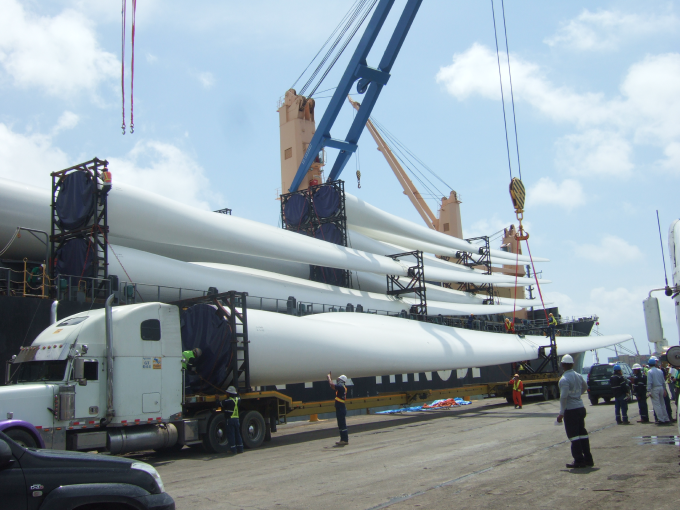
In today’s global trade environment, transporting oversized, heavy, and high-value equipment requires specialized expertise and planning. This is where Project Cargo Logistics Services play a crucial role. These services are designed to handle complex logistics operations involving large-scale industrial components, ensuring safe, timely, and cost-effective delivery across international borders.
Industries such as oil & gas, construction, power generation, and infrastructure development depend heavily on project cargo logistics to move critical equipment like turbines, transformers, heavy machinery, and large structural components. Without proper planning and execution, these shipments can face delays, damage, or regulatory challenges.
What Are Project Cargo Logistics Services?
Project Cargo Logistics Services refer to the planning, coordination, and transportation of large, heavy, high-value, or complex pieces of equipment that require special handling. Unlike standard cargo, project cargo involves:
- Oversized and overweight shipments
- Customized transportation solutions
- Multi-modal logistics (sea, air, road, rail)
- Detailed route planning and feasibility studies
These services require experienced logistics providers who understand the technical, regulatory, and operational challenges involved in handling such shipments.
Key Features of Project Cargo Logistics Services
Project cargo logistics is a specialized field that includes several important features:
1. Detailed Planning and Feasibility Analysis
Before transportation begins, logistics experts conduct route surveys, risk assessments, and feasibility studies to ensure safe and efficient delivery.
2. Multi-Modal Transportation
Project cargo often involves a combination of transport methods, including ocean freight, air freight, and inland trucking, depending on the cargo size and destination.
3. Heavy Lift and Specialized Equipment
Handling oversized cargo requires cranes, hydraulic trailers, and other specialized equipment to load, transport, and unload goods safely.
4. Customs Clearance and Documentation
International shipments require proper documentation and compliance with customs regulations to avoid delays and penalties.
5. Real-Time Monitoring and Coordination
Modern logistics providers use tracking systems to monitor cargo movement and ensure timely delivery.
Industries That Use Project Cargo Logistics Services
Several industries rely on Project Cargo Logistics Services due to the complexity of their operations:
- Oil & Gas – Transportation of drilling rigs, pipelines, and refinery equipment
- Construction – Movement of heavy machinery and structural components
- Energy & Power – Delivery of turbines, generators, and transformers
- Mining – Transport of large mining equipment
- Infrastructure Projects – Handling materials for bridges, ports, and highways
These industries require precise logistics solutions to ensure projects are completed on time and within budget.
Benefits of Professional Project Cargo Logistics Services
Choosing the right logistics provider offers several advantages:
- Expert Handling – Ensures safe transportation of heavy and sensitive equipment
- Reduced Risk – Minimizes damage, delays, and compliance issues
- Cost Efficiency – Optimized routes and planning reduce overall logistics costs
- Time Management – Timely delivery ensures project schedules are maintained
- Global Reach – Access to international networks and logistics solutions
Professional logistics companies bring experience and technical expertise, making them essential partners in large-scale projects.
Challenges in Project Cargo Logistics
Despite its benefits, project cargo logistics comes with challenges:
- Complex route planning and infrastructure limitations
- Regulatory and customs compliance in multiple countries
- Weather and environmental factors
- High transportation costs
- Coordination between multiple stakeholders
Overcoming these challenges requires careful planning, advanced technology, and experienced logistics teams.
Future Trends in Project Cargo Logistics
The logistics industry is evolving with new technologies and innovations. Key trends include:
- Digital Tracking Systems – Real-time visibility and data-driven decision-making
- Automation and AI – Improved planning and operational efficiency
- Sustainable Logistics – Eco-friendly transportation methods
- Advanced Equipment – Improved handling of oversized cargo
These trends are shaping the future of Project Cargo Logistics Services, making them more efficient and reliable.
Conclusion
Project Cargo Logistics Services are essential for industries that require the transportation of large, heavy, and complex equipment. With specialized planning, advanced equipment, and expert coordination, these services ensure that critical shipments are delivered safely and on time.
For businesses involved in large-scale industrial projects, partnering with a reliable logistics provider is key to success. By leveraging professional project cargo logistics services, companies can overcome challenges, reduce risks, and achieve seamless global operations.

 English
 French
 Spanish
 Portuguese
 Deutsch
 Turkish
 Dutch
Dutch
 Italiano
 Russian
 Romaian
 Portuguese (Brazil)
 Greek
Greek