


CRM and ERP Solutions for Streamlined Business Processes
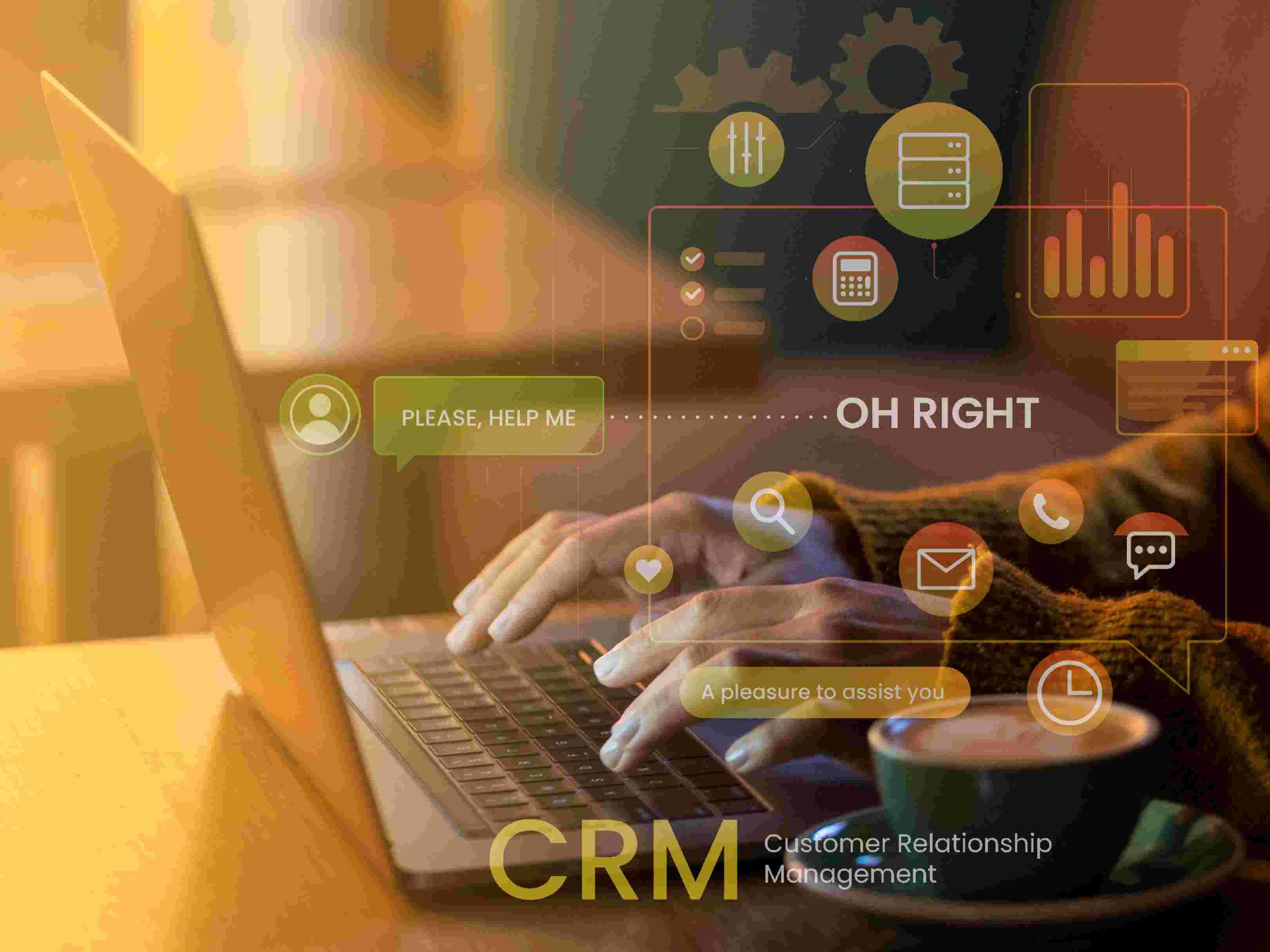
Running a successful business in the digital age demands more than just great products or services. It requires intelligent systems that connect every department, streamline communication, and provide leadership with the data they need to make confident decisions. CRM & ERP solutions have become indispensable tools for organizations that want to operate efficiently, scale sustainably, and deliver superior customer experiences.
Understanding CRM and ERP Solutions
Customer Relationship Management (CRM) and Enterprise Resource Planning (ERP) systems represent two of the most impactful categories of business software available today. While CRM platforms focus on managing customer interactions, sales pipelines, and marketing activities, ERP systems handle internal business operations such as finance, human resources, procurement, and supply chain management. When integrated effectively, CRM & ERP solutions create a unified operational backbone for the entire organization.
CRM and ERP Solutions enable sales and marketing teams to track leads, manage customer accounts, automate follow-ups, and analyze campaign performance. Popular platforms like Salesforce, HubSpot, and Microsoft Dynamics 365 offer a wide range of tools designed to shorten sales cycles and improve customer retention. ERP systems, on the other hand, provide finance teams, warehouse managers, and HR departments with the tools they need to manage resources, track costs, and ensure regulatory compliance.
Why Businesses Need Integrated CRM & ERP Solutions
One of the most common challenges faced by growing businesses is data fragmentation. When customer data lives in the CRM and financial data lives in accounting software, critical information falls through the cracks. Sales representatives promise delivery timelines that the warehouse cannot fulfil. Finance teams invoice customers using outdated pricing. HR departments struggle to maintain accurate headcounts during periods of rapid growth.
Integrated CRM & ERP solutions eliminate these problems by creating a single source of truth for all business data. When a sales order is closed in the CRM, it automatically triggers fulfillment workflows in the ERP. Customer payment history, credit limits, and outstanding invoices are visible to sales teams in real time. HR data feeds directly into payroll and financial planning modules, reducing manual data entry and the errors that come with it.
This level of integration also improves the customer experience. When your team has instant access to a customer's full history, including past purchases, support tickets, and payment records, every interaction becomes more informed and personalized. Customers feel valued, and your team spends less time searching for information and more time delivering value.
Key Features of Modern CRM & ERP Solutions
Modern CRM & ERP solutions come equipped with a rich set of features designed to address the full spectrum of business needs. On the CRM side, key capabilities include contact management, pipeline tracking, email automation, customer segmentation, and analytics dashboards. Advanced platforms also offer AI-powered lead scoring, chatbot integration, and social media monitoring to help teams prioritize their efforts and engage customers at the right moment.
ERP systems offer modules covering financial management, accounts payable and receivable, inventory control, production planning, procurement, project management, and compliance reporting. Cloud-based ERP platforms provide real-time visibility into financial performance, making it easier for executives to monitor KPIs, manage cash flow, and respond to market changes with agility.
Mobile accessibility is increasingly important as workforces become more distributed. Leading CRM and ERP vendors now offer mobile applications that allow field sales teams, warehouse staff, and remote employees to access critical information from anywhere. This mobility enables faster decision-making and keeps all team members aligned regardless of their physical location.
Choosing the Right Solution for Your Business
Selecting the right CRM and ERP platform requires a thorough assessment of your current processes, pain points, and growth objectives. Start by mapping your existing workflows and identifying where data gaps and inefficiencies exist. Involve stakeholders from sales, finance, operations, and IT to ensure that all perspectives are represented in the requirements gathering process.
Consider whether a unified platform that combines CRM and ERP functionality, such as Microsoft Dynamics 365 or Oracle Fusion, is the right fit, or whether best-of-breed solutions that are integrated via APIs would better serve your needs. Unified platforms offer tighter integration and a consistent user experience, while best-of-breed solutions allow you to select the most powerful tool in each category.
Implementation Considerations
The success of any CRM and ERP implementation depends on careful planning, strong change management, and thorough user training. Many implementations fail not because the technology is inadequate but because users are not properly prepared to adopt new ways of working. Invest in training programs, create internal champions who can support their peers, and communicate the benefits of the new system clearly and consistently.
Data migration is another critical step. Cleansing, mapping, and transferring historical data from legacy systems to the new platform requires meticulous attention to detail. Work with your implementation partner to establish data governance policies that will maintain data quality long after the go-live date.
The ROI of CRM and ERP Investment
Businesses that successfully implement CRM & ERP solutions consistently report significant improvements in operational efficiency, cost reduction, and revenue growth. Automated workflows eliminate hours of manual data entry. Real-time reporting replaces time-consuming manual reporting processes. Improved inventory management reduces carrying costs and prevents stockouts. Better customer insights drive higher conversion rates and improved customer lifetime value.
While the upfront investment in CRM & ERP solutions can be substantial, the long-term return on investment is compelling. According to industry research, businesses that implement integrated ERP and CRM systems see average productivity gains of 20 to 30 percent within the first two years of deployment. These gains compound over time as teams become more proficient with the tools and continue to optimize their workflows.
In an increasingly competitive business landscape, the question is no longer whether to invest in CRM & ERP solutions but which solution to choose and how to implement it for maximum impact. With the right platform, the right partner, and the right implementation strategy, your business can achieve a level of operational excellence that sets you apart from the competition and positions you for sustainable long-term growth.

 Arabic
 French
 Spanish
 Portuguese
 Deutsch
 Turkish
 Dutch
Dutch
 Italiano
 Russian
 Romaian
 Portuguese (Brazil)
 Greek
Greek