


Why Shared Resources Matter for Lasting Global Peace
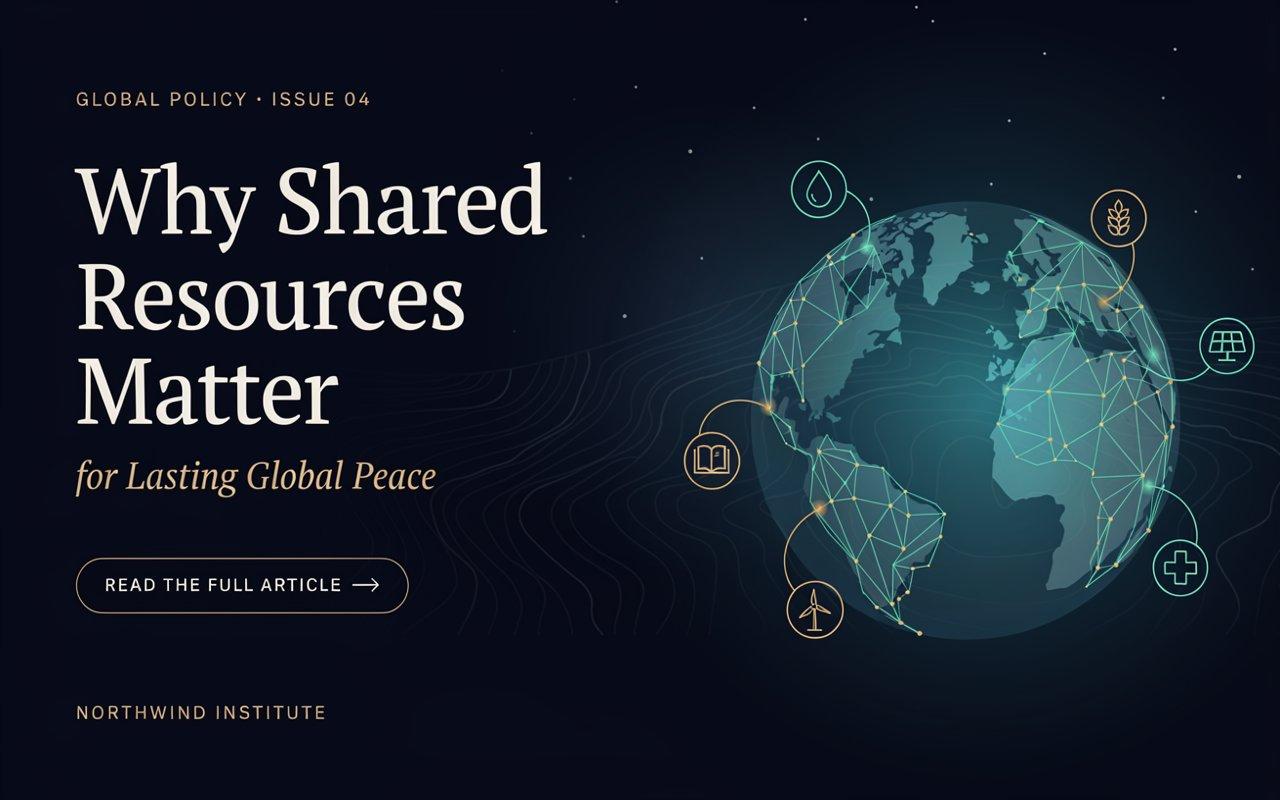
Peace is often discussed in terms of diplomacy, military power, or international agreements. However, another factor quietly shapes the future of nations: shared resources. Water, food, energy, and fertile land connect countries in ways that borders cannot separate. When these resources are managed fairly, they support economic growth and stronger relationships. When they are mismanaged, they can increase tension and uncertainty. This is why shared resources have become a central issue in modern global security.
Today, governments face rising demand, population growth, and environmental pressure. At the same time, climate change is affecting water supplies, agriculture, and energy systems across the world. These challenges require more than national solutions. Strong international cooperation allows countries to share knowledge, coordinate policies, and reduce future risks. Protecting common resources is no longer just an environmental goal. It has become a practical strategy for supporting peace, stability, and long-term prosperity.
Why Shared Resources Shape Global Stability
Every country depends on resources that are often connected to neighboring nations. Rivers cross borders, energy networks span regions, and food supply chains link producers with consumers around the world. Because of this connection, resource management directly affects global stability. Countries that cooperate on water, trade, and infrastructure are usually better prepared for economic shocks and environmental challenges.
Moreover, shared resources influence political relationships. A disruption in one region can quickly affect prices, transportation, and food availability elsewhere. Strong agreements help governments manage these risks before they become larger problems. Effective resource management therefore supports conflict prevention while strengthening long-term international partnerships.
How Water, Food, and Energy Connect Nations
Water, food, and energy form a closely connected system. Farmers need water to grow crops. Energy producers often require large amounts of water. Food transportation depends on fuel and infrastructure. When one part of this system is disrupted, the effects spread quickly across multiple sectors. This is why many experts now view resource security as a key part of national and international planning.
For example, drought can reduce crop production and increase food prices. Higher energy costs can raise transportation expenses and affect global trade. These interconnected challenges show why governments increasingly focus on sustainable water management and stronger regional cooperation. Managing resources together creates more resilient economies and healthier communities.
Why Resource Cooperation Prevents Future Conflicts
Shared resources can either create tension or encourage cooperation. Countries that negotiate clear agreements often avoid disputes while protecting economic development. This approach is especially important for rivers and water systems that serve millions of people. As discussed in Can Water Scarcity Trigger the Next Global Conflict?, early cooperation reduces uncertainty and supports peaceful problem-solving.
The Role of International Cooperation in Managing Shared Resources
No nation can manage global resource challenges alone. Strong international cooperation allows governments to exchange technology, scientific research, and practical experience. These partnerships improve efficiency while helping countries adapt to environmental and economic changes.
In addition, cooperation builds trust. Countries that work together on resource management are often more willing to collaborate on trade, disaster response, and security issues. This broader collaboration strengthens future world peace by encouraging dialogue instead of competition.
How Climate Change Is Increasing Pressure on Natural Resources
Climate change is increasing pressure on water supplies, farmland, and energy systems. Rising temperatures accelerate evaporation while changing rainfall patterns make water availability less predictable. Many regions now experience longer dry periods followed by intense storms that damage infrastructure and agriculture.
These environmental changes also affect migration and economic stability. Communities facing resource shortages may struggle with higher costs and lower agricultural output. Strong adaptation strategies, including better water management and climate-resilient farming, can reduce these risks while protecting long-term development.
Protecting Resources Through Sustainable Solutions
Governments can reduce pressure on natural resources through conservation, efficient irrigation, renewable energy, and modern infrastructure. These measures protect ecosystems while supporting economic growth. They also strengthen water security and improve resilience against future environmental shocks.
Why Economic Cooperation Supports Resource Security
Strong economies depend on reliable access to natural resources. Countries that invest in trade, technology, and infrastructure are better prepared to manage shortages without creating unnecessary tension. Economic cooperation encourages governments to improve transportation, modernize farming, and strengthen energy systems. These investments create more resilient supply chains while supporting long-term development.
Furthermore, economic partnerships reduce uncertainty during global crises. Countries that maintain open trade and share essential resources recover faster from disruptions caused by natural disasters or political instability. As explained in Can Economic Cooperation Prevent Future Global Conflicts?, stronger economic relationships help reduce competition over limited resources while encouraging peaceful collaboration.
The Role of the United Nations in Resource Management
Managing shared resources requires trusted international institutions. The United Nations (UN) works with governments, researchers, and development agencies to promote sustainable resource management and peaceful cooperation. Through global initiatives, the UN encourages countries to protect ecosystems, improve water governance, and strengthen environmental policies that benefit everyone.
The World Bank also supports countries by financing water infrastructure, renewable energy projects, and climate adaptation programs. These investments help communities improve resource efficiency while creating stronger local economies. Together, international organizations encourage practical solutions that reduce future risks instead of responding only after crises occur.
Building Trust Through Global Partnerships
Trust is one of the world's most valuable resources. Countries that regularly exchange information, conduct joint research, and coordinate environmental policies build stronger relationships over time. These partnerships reduce misunderstandings and create opportunities for long-term cooperation on shared challenges.
Global partnerships also encourage innovation. Governments, universities, businesses, and international organizations can develop smarter technologies for agriculture, renewable energy, and water conservation. These shared solutions strengthen international cooperation while protecting shared resources for future generations.
A Realistic Path to Peace Through Shared Responsibility
Lasting peace begins when nations recognize that many of today's challenges cannot be solved alone. Water, food, energy, and environmental protection all require cooperation that crosses political borders. Responsible resource management creates stronger communities, healthier economies, and more stable international relationships.
Looking ahead, governments should continue investing in sustainable infrastructure, scientific research, and regional partnerships. These efforts reduce future uncertainty while supporting global stability and future world peace. As highlighted in A Realistic Path to Peace, dialogue, cooperation, and practical action remain the strongest foundations for a safer and more prosperous world.
Conclusion
Shared resources influence nearly every aspect of modern life. They shape economic growth, public health, environmental sustainability, and international relations. As demand continues to increase, countries must choose whether competition or cooperation will define the future.
The most successful path is clear. Strong international cooperation, responsible environmental management, and long-term planning allow nations to protect common resources while reducing conflict risks. By working together on water, food, energy, and climate challenges, governments create stronger economies, healthier societies, and lasting peace. Protecting shared resources is not simply an environmental responsibility. It is one of the smartest investments the world can make for future generations.
Frequently Asked Questions
Why are shared resources important for global peace?
Shared resources such as water, food, and energy support economic growth and public well-being. Fair management reduces disputes and strengthens international cooperation.
How does climate change affect shared resources?
Climate change reduces water availability, damages agriculture, and increases pressure on natural resources. These impacts make cooperation more important than ever.
What role does the United Nations play in resource management?
The United Nations (UN) promotes sustainable development, encourages international dialogue, and supports countries in managing shared natural resources peacefully.
Can economic cooperation reduce resource conflicts?
Yes. Strong trade relationships, investment, and shared infrastructure improve resilience while reducing competition over limited resources.
How can countries protect shared resources?
Countries can strengthen environmental policies, invest in modern infrastructure, support scientific research, and expand international partnerships to ensure long-term sustainability.

 English
 Arabic
 French
 Spanish
 Portuguese
 Deutsch
 Turkish
 Dutch
Dutch
 Italiano
 Russian
 Romaian
 Portuguese (Brazil)