Global Food Processing Market Witnesses Strong Growth Driven by Innovation and Changing Consumer Lifestyles
The global food processing industry is entering a transformative decade, fueled by rapid urbanization, evolving dietary habits, and continuous technological innovation. According to insights from Renub Research, the market is projected to expand from US$ 171.43 billion in 2025 to US$ 315.96 billion by 2034, registering a compound annual growth rate (CAGR) of 7.03% from 2026 to 2034.
This steady growth reflects the increasing reliance on processed and packaged foods worldwide, as consumers seek convenience without compromising on quality, safety, or nutrition.
Industry Overview: A Backbone of the Global Food Supply Chain
The food processing industry plays a critical role in transforming raw agricultural produce into consumable and value-added products. From cleaning and sorting to packaging and preservation, the sector ensures food reaches consumers in safe, accessible, and appealing forms.
In recent years, the industry has diversified significantly. It now caters to a wide range of consumer demands, including ready-to-eat meals, frozen foods, packaged snacks, and health-focused alternatives. The shift toward modern lifestyles—characterized by busy schedules and dual-income households—has accelerated the consumption of processed food products globally.
Additionally, the expansion of global supply chains and retail networks has strengthened the industry's reach, enabling manufacturers to cater to both developed and emerging markets efficiently.
Key Growth Drivers Reshaping the Market
Rising Demand for Convenience Foods
One of the most significant factors driving the food processing market is the growing demand for convenience. Urban populations, especially in developing economies, are increasingly opting for ready-to-eat and easy-to-prepare meals.
Time constraints, changing work patterns, and lifestyle shifts have reduced the time available for traditional cooking. As a result, consumers are turning toward processed food options that offer both convenience and consistency in taste and quality.
Food manufacturers are responding by introducing innovative products with diverse flavors, improved packaging, and extended shelf life. The rise of food delivery services and online grocery platforms has further amplified accessibility, making processed foods more readily available than ever before.
Technological Advancements and Automation
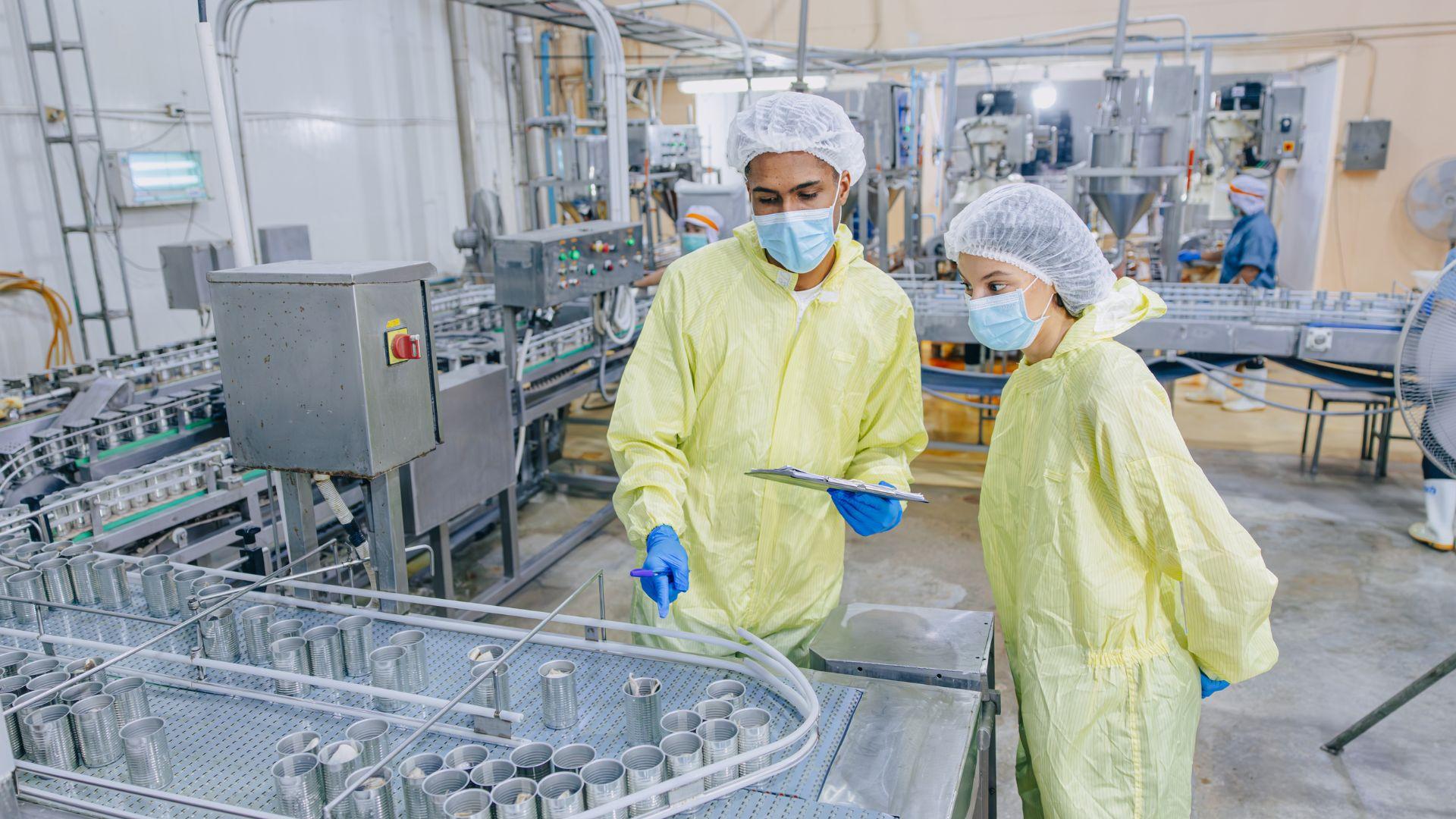
Technology has become a cornerstone of the food processing industry. Automation, artificial intelligence, and advanced machinery are enabling companies to enhance productivity, maintain consistency, and ensure high-quality output.
Modern processing technologies such as freezing, vacuum packaging, and dehydration have significantly improved shelf life while preserving nutritional value. These innovations not only reduce food waste but also enhance supply chain efficiency.
Artificial intelligence and data analytics are also playing a crucial role in quality control and traceability. Manufacturers can now monitor production processes in real time, ensuring compliance with safety standards and minimizing the risk of contamination.
Increasing Focus on Food Safety and Quality
Food safety has become a top priority for both consumers and regulatory authorities. With rising awareness about health and hygiene, consumers are demanding transparency in food sourcing and processing.
Governments worldwide are implementing stringent regulations to ensure food quality and safety. This has compelled manufacturers to invest in advanced quality control systems, certifications, and traceability technologies.
Clean-label products—those with minimal and recognizable ingredients—are gaining popularity, reflecting a shift toward healthier and more transparent food options. This trend is expected to continue shaping the industry in the coming years.
Emerging Trends in the Food Processing Industry
Shift Toward Healthier and Functional Foods
Consumers are increasingly seeking foods that offer additional health benefits beyond basic nutrition. This has led to a surge in demand for organic, low-fat, fortified, and functional food products.
Manufacturers are focusing on product innovation to meet these demands, introducing items enriched with vitamins, minerals, and probiotics. The emphasis on wellness and preventive healthcare is expected to further boost this segment.
Sustainable Packaging and Production
Sustainability has become a major concern in the food processing sector. Companies are adopting eco-friendly practices, including reducing food waste, optimizing resource utilization, and using biodegradable packaging materials.
Smart packaging solutions that enhance product freshness and provide real-time information are also gaining traction. These innovations not only improve consumer experience but also align with global sustainability goals.
Expansion of E-commerce and Modern Retail
The rise of e-commerce platforms and modern retail channels has revolutionized the way food products are distributed and consumed. Online grocery shopping has seen significant growth, particularly after the global pandemic.
This shift has enabled food processing companies to reach a broader audience, including remote and underserved regions. Enhanced logistics and supply chain infrastructure have further supported this expansion.
Challenges Facing the Industry
Supply Chain Disruptions
The food processing market is highly dependent on the availability of raw agricultural materials. Factors such as climate change, geopolitical tensions, and transportation issues can disrupt supply chains and impact production.
Fluctuating raw material prices also pose a challenge, affecting profit margins and pricing strategies. Companies must adopt robust supply chain management practices to mitigate these risks.
Regulatory Compliance
The industry operates under strict regulatory frameworks that vary across regions. Compliance with food safety, labeling, and quality standards requires significant investment and continuous monitoring.
For companies operating in multiple markets, navigating these regulations can be complex and resource-intensive. Failure to comply can result in penalties, product recalls, and reputational damage.
Regional Insights: Key Markets Driving Growth
United States
The United States remains a dominant player in the global food processing market. Advanced technology, strong infrastructure, and high consumer demand for convenience foods contribute to its growth.
The market is also witnessing increased demand for organic and clean-label products, driven by health-conscious consumers. The presence of major industry players and well-established distribution networks further strengthens the sector.
United Kingdom
In the United Kingdom, the market is shaped by urban lifestyles and a strong preference for packaged foods. Consumers are increasingly opting for healthier and sustainably sourced products.
Manufacturers are focusing on reformulation strategies to reduce sugar, salt, and fat content, aligning with government regulations and consumer expectations.
China
China’s food processing market is experiencing rapid expansion due to urbanization, rising incomes, and a growing middle class. The demand for packaged and ready-to-eat foods is increasing significantly.
Technological advancements and improved supply chain infrastructure are enhancing production capabilities, while stricter food safety regulations are ensuring quality standards.
United Arab Emirates
The UAE market is driven by high disposable incomes and a diverse population. The country’s reliance on food imports has led to a wide variety of processed food offerings.
Government initiatives to promote food security and local production are encouraging investments in food processing facilities, further boosting market growth.
Competitive Landscape
The global food processing market is highly competitive, with several key players focusing on innovation, expansion, and strategic partnerships. Leading companies are investing in advanced technologies and sustainable practices to gain a competitive edge.
Some of the prominent players include Marel, GEA Group AG, Bühler Holding AG, JBT Corporation, Alfa Laval AB, TNA Solutions Pty Ltd, Bucher Industries AG, SPX Flow, and Krones AG. These companies are continuously enhancing their product portfolios and operational efficiencies to meet evolving market demands.
Market Segmentation Overview
The food processing market can be segmented based on technology, application, and distribution channels. Technologies such as HEPA filtration, activated carbon, and electrostatic precipitation play a crucial role in ensuring product quality and safety.
Applications range from commercial and industrial to residential usage, while distribution channels include both offline and online platforms. The growing prominence of e-commerce is expected to significantly influence future distribution strategies.
Future Outlook: Innovation and Sustainability to Lead the Way
The future of the food processing market looks promising, with innovation and sustainability at its core. As consumer preferences continue to evolve, companies must adapt by offering healthier, more convenient, and environmentally friendly products.
Technological advancements will play a pivotal role in shaping the industry, enabling greater efficiency, transparency, and scalability. Additionally, the integration of digital technologies and smart systems will further enhance production and supply chain operations.
Emerging markets, particularly in Asia-Pacific and the Middle East, are expected to drive significant growth, supported by rising incomes and urbanization.
Final Thoughts
The global food processing market is on a strong growth trajectory, supported by changing consumer lifestyles, technological innovation, and expanding distribution networks. With projections indicating a rise to US$ 315.96 billion by 2034, the industry is set to play an increasingly vital role in the global economy.
However, to sustain this growth, companies must navigate challenges such as supply chain disruptions and regulatory complexities. By focusing on innovation, quality, and sustainability, the food processing industry can unlock new opportunities and ensure long-term resilience in an ever-evolving global landscape.




 English
 Arabic
 French
 Portuguese
 Deutsch
 Turkish
 Dutch
Dutch
 Italiano
 Russian
 Romaian
 Portuguese (Brazil)
 Greek
Greek