


Global 3D Printing Powder Market Set to Hit $8.05 Billion by 2033
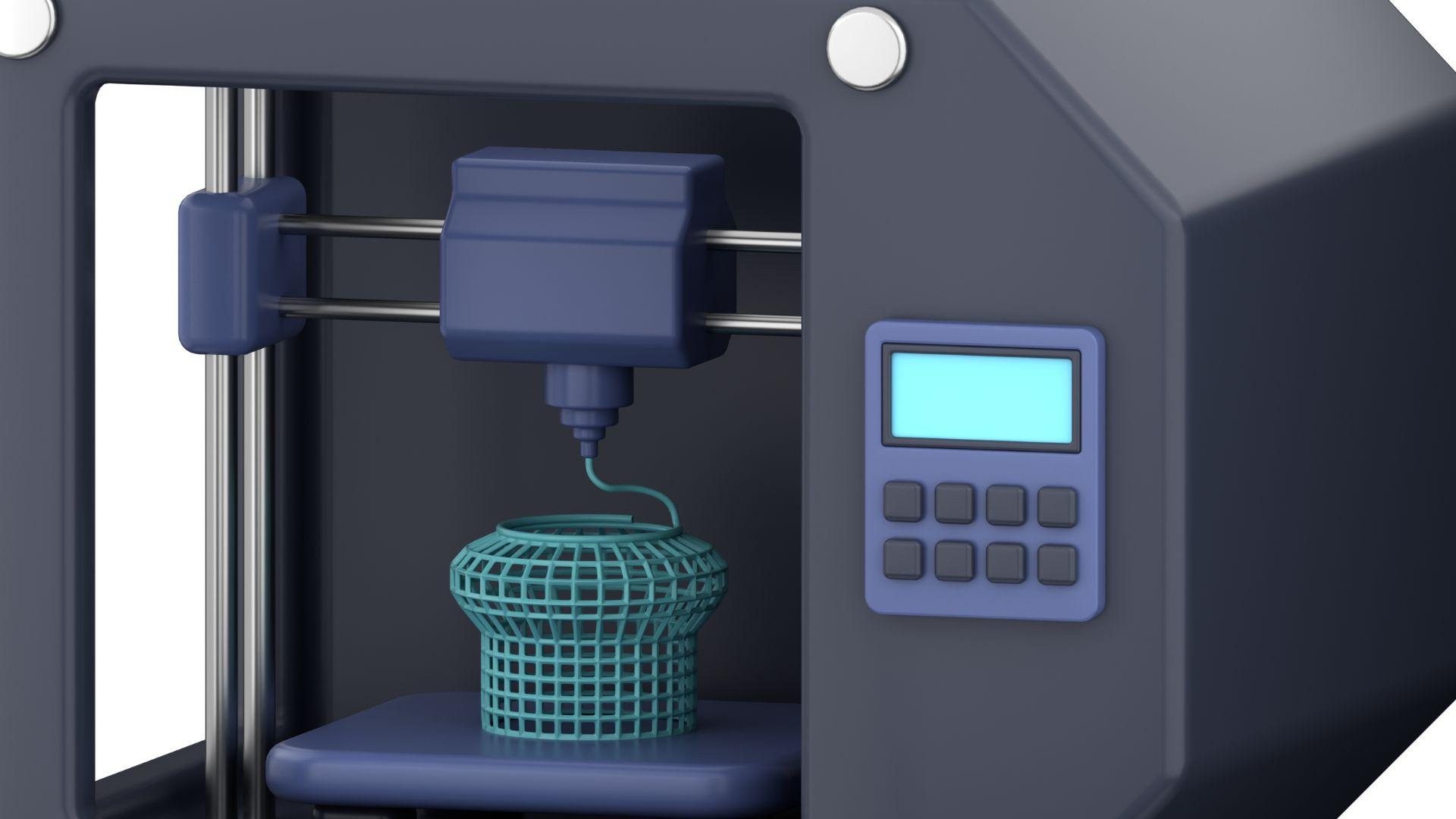
Global 3D Printing Powder Market Witnesses Rapid Growth Amid Industrial Transformation
The global manufacturing landscape is undergoing a profound transformation, with additive manufacturing—commonly known as 3D printing—emerging as a cornerstone of next-generation production. At the heart of this revolution lies 3D printing powder, a critical material enabling the creation of complex, high-performance components across industries.
According to recent insights from Renub Research, the global 3D printing powder market is expected to grow significantly, reaching US$ 8.05 billion by 2033 from US$ 2.04 billion in 2024, expanding at a robust CAGR of 16.52% during 2025–2033. This remarkable growth reflects increasing adoption across sectors such as aerospace, automotive, healthcare, and construction.
Understanding the Role of 3D Printing Powder in Modern Manufacturing
3D printing powder forms the backbone of additive manufacturing processes. These powders—comprising metals, plastics, ceramics, and composites—are used to build objects layer by layer based on digital designs.
Technologies such as Selective Laser Sintering (SLS), Direct Metal Laser Sintering (DMLS), and Electron Beam Melting (EBM) rely heavily on these materials to produce components with exceptional precision and minimal waste.
Unlike traditional manufacturing, which often involves subtractive processes, additive manufacturing optimizes material usage and allows for the production of highly intricate geometries. This capability is particularly valuable in industries where customization, lightweight structures, and performance optimization are critical.
Key Growth Drivers Fueling Market Expansion
1. Technological Advancements Accelerating Adoption
One of the primary drivers of the 3D printing powder market is continuous innovation in additive manufacturing technologies. Improvements in laser sintering, printer accuracy, and material compatibility have significantly enhanced production efficiency and product quality.
For instance, the development of industrial-scale 3D printers capable of mass production has expanded the technology’s applicability beyond prototyping into full-scale manufacturing. These advancements are enabling industries to produce complex, durable, and customized products at competitive costs.
2. Rising Demand for Custom Manufacturing
Modern industries are increasingly shifting toward personalized and on-demand production models. 3D printing powders make it possible to create components tailored to specific requirements, whether it’s lightweight aerospace parts or patient-specific medical implants.
The healthcare sector, in particular, is witnessing a surge in demand for customized prosthetics, implants, and surgical tools. Similarly, automotive and aerospace industries are leveraging additive manufacturing to produce high-performance components with reduced weight and improved efficiency.
3. Sustainability and Cost Efficiency
Environmental concerns and cost pressures are pushing industries toward more sustainable manufacturing practices. 3D printing significantly reduces material waste compared to conventional methods, as only the required amount of material is used.
Additionally, energy consumption is often lower, and production timelines are shorter, making additive manufacturing an attractive option for companies aiming to improve operational efficiency while reducing their environmental footprint.
Market Challenges Hindering Growth
High Material Costs
Despite its advantages, the high cost of 3D printing powders—especially metal and specialized composite powders—remains a major challenge. These costs can limit adoption, particularly among small and medium-sized enterprises.
Industries that operate on tight margins may find it difficult to justify the use of expensive materials, slowing down widespread market penetration.
Quality Control and Consistency Issues
Maintaining consistent quality across different batches of 3D printing powders is another significant challenge. Variations in particle size, distribution, and composition can affect the final product’s strength and performance.
This issue is particularly critical in sectors such as aerospace and healthcare, where precision and reliability are non-negotiable. Standardization and improved testing protocols are essential to address these concerns.
Segment Analysis: Material Types Driving Demand
Plastic Powder Market
Plastic powders, including nylon, PLA, and polystyrene, are widely used due to their affordability, flexibility, and ease of processing. These materials are particularly लोकप्रिय in industries such as consumer goods, education, and automotive prototyping.
Their versatility makes them ideal for producing both functional components and prototypes, contributing to steady market growth.
Metal Powder Market
Metal powders represent one of the fastest-growing segments, driven by demand for high-strength, lightweight materials. Titanium, aluminum, and stainless steel powders are extensively used in aerospace, automotive, and medical applications.
These materials enable the production of components with superior mechanical properties and heat resistance, making them indispensable for high-performance applications.
Emerging Materials: Ceramics and Glass
Ceramic and glass powders are gaining traction in specialized applications, including electronics, healthcare, and architecture. These materials offer unique properties such as thermal resistance and biocompatibility, opening new avenues for innovation.
Industry-Wise Applications Transforming Global Markets
Automotive Industry
The automotive sector is a major contributor to the growth of the 3D printing powder market. Manufacturers are increasingly using additive manufacturing to produce lightweight, fuel-efficient components and accelerate prototyping processes.
With the rise of electric vehicles, the demand for innovative design solutions and efficient production methods is further boosting the adoption of 3D printing powders.
Aerospace and Defense
In aerospace, where weight reduction and performance are critical, 3D printing powders are used to create complex components that are both strong and lightweight. The ability to produce intricate designs with minimal material waste makes additive manufacturing highly attractive for this sector.
Healthcare Sector
The medical field is witnessing a paradigm shift with the adoption of 3D printing powders. From customized implants and prosthetics to advanced surgical tools, additive manufacturing is enabling personalized healthcare solutions.
Biocompatible materials such as titanium powders are widely used to create implants that match individual patient anatomy, improving outcomes and reducing recovery times.
Construction and Architecture
The use of 3D printing in construction is gaining momentum, with innovative solutions enabling faster, cost-effective building processes. The development of large-scale 3D printers is paving the way for sustainable and efficient construction methods.
Regional Insights: Global Market Dynamics
United States
The United States remains a dominant player in the global 3D printing powder market, supported by a strong manufacturing base and advanced technological infrastructure. Significant investments in research and development are driving innovation and market growth.
Germany
Germany’s leadership in precision engineering and industrial manufacturing positions it as a key contributor to the market. The country’s focus on high-quality materials and advanced technologies continues to strengthen its role in additive manufacturing.
India
India is emerging as a high-growth market, driven by increasing industrialization and government initiatives such as “Make in India.” The adoption of 3D printing in sectors like automotive, education, and consumer goods is steadily increasing.
Middle East and Saudi Arabia
Saudi Arabia is investing heavily in additive manufacturing as part of its Vision 2030 strategy. The focus on economic diversification and technological advancement is creating new opportunities for the 3D printing powder market in the region.
Competitive Landscape and Key Players
The global 3D printing powder market is highly competitive, with several key players driving innovation and expansion. Companies such as Arkema, BASF SE, Evonik Industries, Sandvik, and Höganäs are actively investing in research and development to enhance material performance and expand their product portfolios.
Strategic partnerships, mergers, and technological advancements are shaping the competitive landscape, enabling companies to strengthen their market positions and cater to evolving industry demands.
Future Outlook: A Transformative Decade Ahead
The future of the 3D printing powder market looks promising, with continued advancements in materials science and printing technologies expected to drive growth. The integration of artificial intelligence, automation, and digital manufacturing ecosystems will further enhance the capabilities of additive manufacturing.
As industries increasingly prioritize sustainability, efficiency, and customization, the demand for 3D printing powders is set to rise significantly. Emerging applications in sectors such as food technology, regenerative medicine, and smart construction will further expand the market’s potential.
Final Thoughts
The global 3D printing powder market is at the forefront of a manufacturing revolution, offering unprecedented opportunities for innovation and efficiency. With a projected valuation of US$ 8.05 billion by 2033, the market is poised for sustained growth, driven by technological advancements, rising demand for customization, and increasing adoption across industries.
However, challenges such as high material costs and quality control issues must be addressed to unlock the market’s full potential. As stakeholders continue to invest in research, standardization, and scalable solutions, 3D printing powders will play an increasingly vital role in shaping the future of global manufacturing.
The coming decade will not only redefine production processes but also establish additive manufacturing as a cornerstone of industrial innovation

 Arabic
 French
 Spanish
 Portuguese
 Deutsch
 Turkish
 Dutch
Dutch
 Italiano
 Russian
 Romaian
 Portuguese (Brazil)
 Greek
Greek