


Common Cable Installation Mistakes and How to Avoid Them
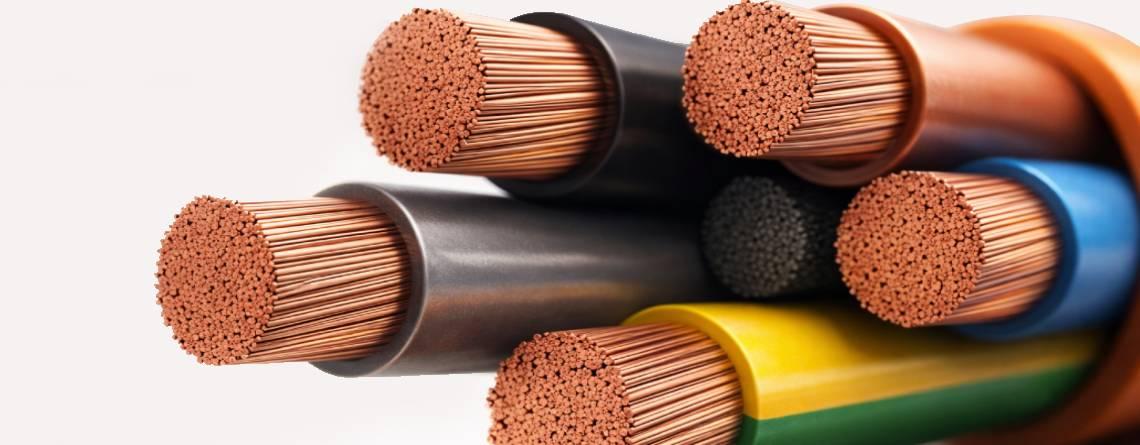
Proper cable installation is a critical factor in ensuring the safety, efficiency, and longevity of electrical systems. Whether it’s for residential, commercial, or industrial use, cables form the backbone of modern infrastructure. However, even high-quality cables can fail prematurely if they are not installed correctly. Poor installation practices can lead to safety hazards such as short circuits, fire risks, energy loss, and costly repairs.
With the growing demand for reliable electrical systems, the role of electric cable manufacturers in Pakistan has become increasingly important. As infrastructure expands and industries evolve, ensuring correct cable installation is more crucial than ever.
This blog aims to highlight the most common cable installation mistakes and provide practical solutions to avoid them. By understanding these pitfalls, users can ensure safer, more efficient, and cost-effective electrical systems.
Understanding Cable Installation Basics
Cable installation involves selecting, routing, connecting, and securing cables to ensure proper electrical transmission. It is not just about laying wires—it requires careful planning, knowledge of load requirements, and compliance with standards.
Different applications require different types of cables. For example, house wiring typically uses low-voltage cables designed for safe electricity distribution in homes. Industrial setups, on the other hand, require cables that can handle higher loads and more demanding environments. Solar systems are another growing segment, where specialized dc solar cables in Pakistan are used to withstand outdoor conditions, UV exposure, and temperature variations.
Choosing the right cable type is essential for performance and safety. Factors such as voltage rating, insulation material, environmental conditions, and load capacity must be considered. Additionally, standards and certifications play a vital role in ensuring that cables meet national and international quality benchmarks. Using certified cables reduces risks and ensures long-term reliability.
Why Proper Cable Installation Matters
Proper cable installation directly impacts safety, efficiency, and durability. Incorrect installation can lead to serious hazards, including electrical fires and short circuits. These risks not only endanger lives but also result in costly damage to property and equipment.
Efficiency is another key factor. Poor installation can cause energy losses, leading to higher electricity bills and reduced system performance. Additionally, improperly installed cables are more prone to wear and tear, reducing their lifespan.
Compliance with regulations in Pakistan is also essential. Adhering to proper installation standards ensures that systems meet safety requirements and avoid legal issues. Overall, correct installation practices help maintain system integrity, reduce maintenance costs, and enhance operational efficiency.
Common Cable Installation Mistakes
1. Choosing the Wrong Cable Type
One of the most common mistakes is selecting the wrong type of cable for a specific application. Each cable is designed for a particular purpose, and using the wrong one can lead to performance issues and safety risks. For example, using low voltage cables in Pakistan in high-load industrial systems can result in overheating and insulation failure.
To avoid this, it is important to understand the requirements of the application. Factors such as voltage level, environmental conditions, and load capacity should guide the selection process. Consulting with experts or referring to manufacturer guidelines can help ensure the correct choice.
2. Ignoring Load Capacity
Overloading cables is another frequent issue. When cables carry more current than they are designed for, they can overheat, leading to insulation damage and potential fire hazards.
Proper load calculation is essential before installation. This involves determining the total electrical load and selecting cables that can safely handle it. Ignoring this step can compromise the entire system and lead to costly failures.
3. Poor Cable Routing and Planning
Improper cable routing can cause physical damage and reduce efficiency. Bending cables beyond their recommended limits can weaken their structure, while poor layout design can lead to unnecessary stress on connections.
Additionally, a lack of spacing and ventilation can cause heat buildup, further damaging the cables. Proper planning ensures that cables are routed safely, with adequate support and spacing to maintain performance and durability.
4. Inadequate Insulation and Protection
Cables exposed to harsh environmental conditions without proper protection are more likely to fail. Moisture, heat, chemicals, and UV radiation can degrade insulation and lead to short circuits.
Using the right type of insulation and protective conduits is essential. Outdoor installations require cables specifically designed to withstand environmental factors, while indoor setups may have different requirements. Proper protection ensures long-term reliability and safety.
5. Improper Termination and Connections
Loose or faulty connections are a major cause of electrical issues. Poor termination can result in sparks, power loss, and overheating.
Skilled workmanship is crucial for proper cable termination. Using the right tools and techniques ensures secure connections and minimizes risks. Regular checks can also help identify and fix issues before they escalate.
6. Skipping Testing and Inspection
Failing to test cables before use is a critical mistake. Undetected faults can lead to system failures and safety hazards.
Testing and inspection should be carried out using certified procedures. This helps identify issues such as insulation defects, incorrect connections, and load mismatches. Proper testing ensures that the system is safe and ready for operation.
7. Not Following Standards and Guidelines
Ignoring national and international standards can have serious consequences. Non-compliance increases the risk of accidents and legal issues.
Using certified products from reliable electric cable manufacturers in Pakistan ensures adherence to quality standards. Following guidelines during installation further enhances safety and performance.
How to Avoid These Cable Installation Mistakes
1. Use the Right Cable for the Right Application
Always match the cable type with the specific application. Consider factors such as load, environment, and voltage requirements. This ensures optimal performance and reduces risks.
2. Follow Proper Installation Practices
Professional planning and layout are essential for successful installation. Engaging trained technicians ensures that cables are installed correctly, with proper routing, spacing, and support.
3. Ensure Compliance with Standards
Using certified cables and following established guidelines helps maintain safety and reliability. Regular testing and inspection further ensure compliance and identify potential issues early.
4. Invest in Quality Products
High-quality cables offer better performance, durability, and safety. While they may have a higher initial cost, they provide long-term savings by reducing maintenance and replacement expenses.
5. Regular Maintenance and Monitoring
Periodic inspections help detect issues before they become major problems. Monitoring cable systems ensures that they continue to operate efficiently and safely over time.
Role of Quality Manufacturers in Safe Installation
The quality of cables plays a significant role in installation success. Trusted manufacturers ensure that their products meet strict quality standards and undergo rigorous testing.
Reliable electric cable manufacturers in Pakistan provide certified products that comply with national and international regulations. Their focus on quality assurance, innovation, and testing contributes to safer and more efficient electrical systems.
By choosing reputable manufacturers, users can ensure that their installations are built on a strong foundation of reliability and performance.
Industry Applications of Proper Cable Installation
Proper cable installation is essential across various industries. In residential and commercial settings, it ensures safe and efficient power distribution. Industrial applications require robust installations to handle heavy loads and demanding environments.
In the renewable energy sector, the use of dc solar cables in Pakistan is critical for efficient energy transmission from solar panels. These cables are designed to withstand outdoor conditions and ensure long-term performance.
Other applications include IT and data centers, where reliable cable systems are essential for uninterrupted operations. Proper installation ensures optimal performance across all these sectors.
Conclusion
Cable installation is a crucial aspect of any electrical system, and avoiding common mistakes can significantly improve safety, efficiency, and longevity. From choosing the right cable type to ensuring proper load calculations and following standards, every step plays a vital role in system performance.
By understanding these common pitfalls and implementing best practices, users can prevent costly errors and ensure reliable operation. Investing in quality cables and proper installation techniques is not just a necessity—it’s a long-term advantage.
Choosing trusted electric cable manufacturers in Pakistan further enhances system reliability and ensures compliance with quality standards. Making informed decisions today can lead to safer and more efficient electrical systems in the future.
FAQs
Q1: What is the most common cable installation mistake?
Choosing the wrong cable type for the application is one of the most common mistakes.
Q2: How do I choose the right cable for my project?
Consider factors such as load, environment, voltage requirements, and certifications.
Q3: Why is load calculation important in cable installation?
It prevents overloading, which can cause overheating and damage.
Q4: Are solar cables different from regular cables?
Yes, dc solar cables in Pakistan are designed to withstand outdoor conditions and UV exposure.
Q5: How often should cable systems be inspected?
Regular inspections should be conducted periodically to ensure safety and performance.

 English
 Arabic
 French
 Spanish
 Portuguese
 Deutsch
 Turkish
 Dutch
Dutch
 Italiano
 Russian
 Romaian
 Portuguese (Brazil)