


Full Blood Test: Everything You Should Expect
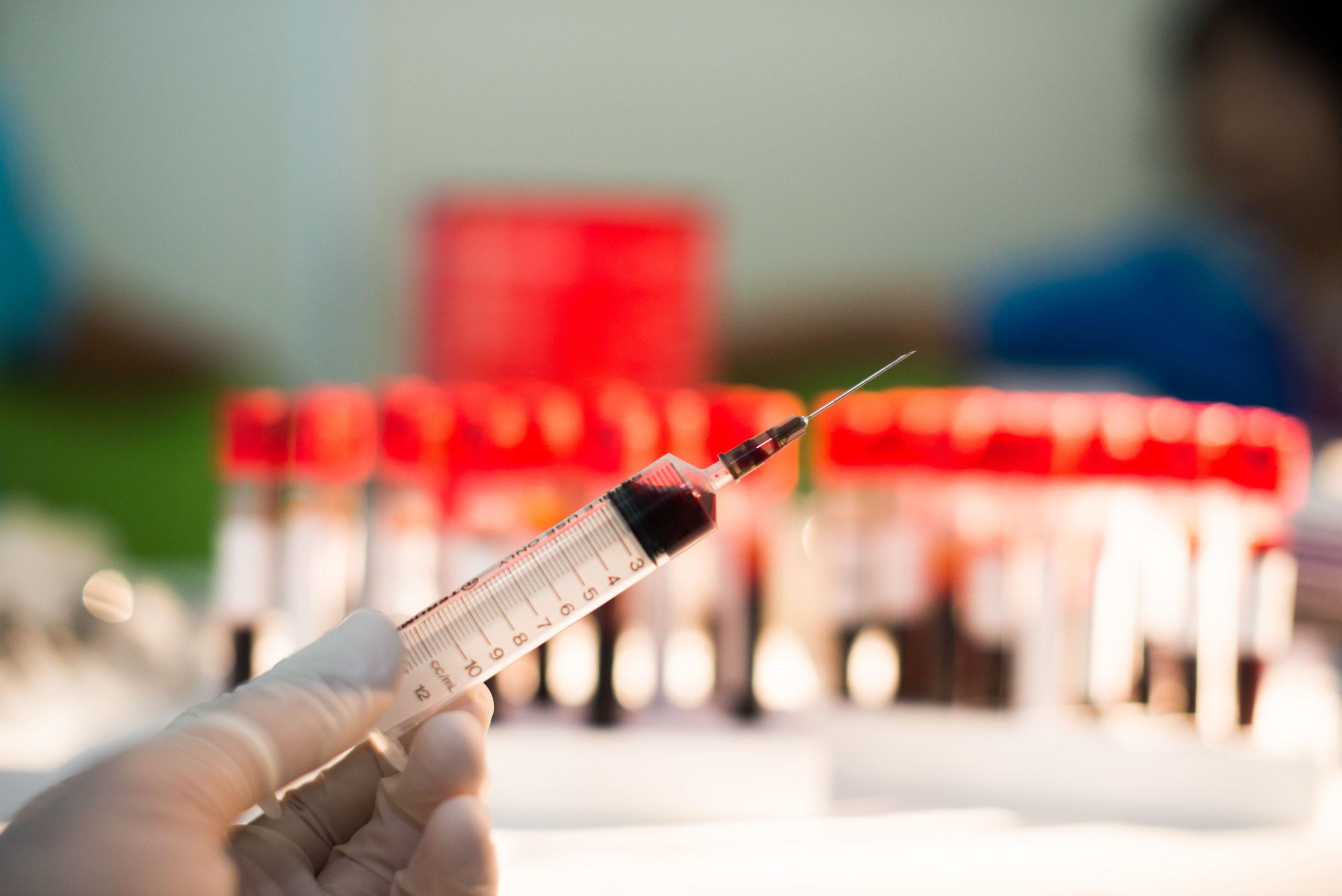
A full blood test is one of the most common medical investigations used to assess your overall health. Whether you're attending a routine health checkup, investigating ongoing symptoms, or monitoring a chronic condition, this simple laboratory test provides valuable insights into how your body is functioning. Despite its routine nature, many people feel uncertain before their appointment because they are unsure what the procedure involves or what happens after the blood sample is collected.
Understanding every stage of the process—from preparing for the appointment to receiving your results—can help reduce anxiety and ensure you know exactly what to expect. This guide walks you through the complete journey of a Full Blood Test in Dubai, explains why each step matters, and highlights how the results contribute to better healthcare decisions.
Why Your Healthcare Provider May Recommend a Full Blood Test?
A full blood test is often the first step in evaluating your health because blood carries oxygen, nutrients, hormones, immune cells, and waste products throughout the body. Changes in blood composition can reveal early signs of illness before noticeable symptoms appear.
Healthcare providers commonly recommend a full blood test to:
- Assess overall health
- Investigate unexplained fatigue
- Diagnose anemia
- Detect infections
- Monitor chronic illnesses
- Evaluate organ function
- Check nutritional status
- Monitor medication effects
- Support preventive healthcare
- Prepare for surgery
Rather than focusing on one condition, a comprehensive blood test provides a broad overview of your body's internal health.
Before Your Appointment: What Happens First?
Preparation begins before you arrive at the laboratory or healthcare facility. Your healthcare provider will explain whether any special instructions apply to your blood test.
Depending on the laboratory panel, you may be asked to:
- Fast for several hours
- Drink plenty of water
- Continue or temporarily adjust certain medications
- Avoid alcohol before testing
- Limit strenuous exercise
- Inform staff about supplements or existing medical conditions
Following these instructions helps ensure the laboratory results accurately reflect your health.
Checking In at the Laboratory:
When you arrive for your appointment, the first step is usually registration.
You may be asked to:
- Confirm your identity
- Provide your referral form
- Review your medical information
- Verify current medications
- Mention any allergies
- Inform staff if you are pregnant or feeling unwell
These details help laboratory professionals process your sample correctly and support accurate interpretation of your results.
Meeting the Healthcare Professional:
A trained healthcare professional or phlebotomist performs the blood collection.
Before the procedure begins, they will usually:
- Explain the process
- Confirm the requested tests
- Answer any questions
- Check which arm is most suitable
- Ask about previous difficulties during blood collection
If you are nervous about needles or have fainted during previous blood tests, mentioning this beforehand allows staff to take additional precautions.
The Blood Collection Process:
One of the biggest concerns for first-time patients is the actual blood draw. Fortunately, the procedure is quick, safe, and typically completed within a few minutes.
The process usually follows these steps:
- A tourniquet is placed around your upper arm to make the vein easier to locate.
- The skin is cleaned using an antiseptic solution.
- A sterile needle is inserted into a suitable vein, usually inside the elbow.
- Blood is collected into one or more laboratory tubes.
- The needle is removed.
- Gentle pressure is applied to the puncture site.
- A small bandage is placed over the area.
Most people experience only a brief pinching sensation when the needle is inserted.
How Long Does a Full Blood Test Take?
Although the laboratory may be busy, the blood collection itself is generally very quick.
Typical timing includes:
- Registration: a few minutes
- Blood collection: approximately five minutes
- Aftercare: one to two minutes
The entire visit often takes less than thirty minutes, depending on appointment schedules.
What Does a Full Blood Test Check?
A comprehensive blood test examines several important health markers that reflect the function of different body systems.
Common investigations include:
- Complete Blood Count (CBC)
- Red Blood Cell count
- White Blood Cell count
- Hemoglobin
- Platelet count
- Hematocrit
- Blood glucose
- Liver function tests
- Kidney function tests
- Lipid profile
- Thyroid function tests
- Electrolytes
- Iron studies
- Vitamin B12
- Folate levels
The exact tests included depend on the reason your healthcare provider requested the investigation.
Will the Procedure Be Painful?
Most patients describe blood collection as causing only mild, temporary discomfort.
You may experience:
- A brief pinching sensation
- Mild pressure during blood collection
- Slight tenderness afterward
Significant pain is uncommon. If you experience ongoing discomfort, swelling, or prolonged bleeding after the procedure, you should contact your healthcare provider.
What Happens to Your Blood Sample?
Once collected, your blood sample is carefully labeled and sent to the laboratory.
There, specialized equipment analyzes the sample by measuring different blood components and comparing them with established reference ranges.
Laboratory scientists evaluate markers related to:
- Blood cell production
- Immune function
- Blood clotting
- Blood sugar
- Organ function
- Cholesterol
- Hormones
- Nutritional status
The results are then reviewed by your healthcare provider in the context of your overall health.
What Can Your Results Reveal?
A full blood test provides valuable information about many aspects of your health.
It may identify signs of:
- Iron deficiency anemia
- Vitamin B12 deficiency
- Folate deficiency
- Bacterial infections
- Viral infections
- Diabetes
- Kidney disease
- Liver disease
- Thyroid disorders
- High cholesterol
- Chronic inflammation
- Blood clotting disorders
- Autoimmune diseases
- Bone marrow disorders
Additional investigations may be recommended if abnormal findings require further evaluation.
Understanding Your Laboratory Report:
When your results become available, you will usually receive a report containing multiple laboratory values.
Most reports include:
Test Name:
This identifies the blood marker measured.
Your Result:
This is your personal laboratory value.
Reference Range:
This represents the range commonly found in healthy individuals.
Remember that slightly abnormal values do not automatically indicate illness. Healthcare providers interpret results based on your medical history, symptoms, medications, age, and previous laboratory findings.
Why Some Results May Be Outside the Normal Range?
Seeing an abnormal value can be concerning, but many factors temporarily influence blood test results.
These include:
- Recent illness
- Dehydration
- Pregnancy
- Physical exercise
- Smoking
- Alcohol consumption
- Prescription medications
- Dietary supplements
- Stress
- Poor sleep
Healthcare professionals consider these factors before making any diagnosis.
What Happens After Your Blood Test?
Most people can immediately return to their normal daily activities after blood collection.
Simple aftercare recommendations include:
- Drink water if you were fasting.
- Eat a healthy meal after the appointment.
- Keep pressure on the puncture site for several minutes.
- Avoid heavy lifting with the affected arm if soreness develops.
- Leave the bandage in place for a short period if advised.
Minor bruising occasionally occurs but usually resolves within a few days.
When Will You Receive Your Results?
The turnaround time depends on the laboratory and the tests requested.
Routine investigations such as a Complete Blood Count are often processed quickly, while specialized tests involving hormones, vitamins, or autoimmune markers may require additional time.
Your healthcare provider will explain when to expect your results and whether a follow-up appointment is needed.
Questions to Ask When Reviewing Your Results:
Your appointment to discuss the results is an excellent opportunity to understand your health.
Consider asking:
- Are all my blood values within the expected range?
- Do any results require further testing?
- Should I make lifestyle changes?
- Do I need repeat blood tests?
- Are additional investigations recommended?
- How do these results compare with previous tests?
These discussions help you better understand your overall health and future care plan.
Common Myths About Full Blood Tests:
Myth: Blood Tests Diagnose Every Disease
A full blood test provides valuable information but is only one part of the diagnostic process. Imaging studies, physical examinations, and additional laboratory tests may also be necessary.
Myth: Normal Results Mean Perfect Health
Normal laboratory values are reassuring but cannot completely exclude every medical condition.
Myth: Every Blood Test Requires Fasting
Many routine blood investigations do not require fasting. Always follow your healthcare provider's instructions.
Myth: Blood Collection Is Dangerous
Blood collection is a routine medical procedure performed safely by trained healthcare professionals using sterile equipment.
Tips for a Smooth Blood Test Experience:
To make your appointment as comfortable as possible:
- Confirm preparation instructions in advance.
- Stay well hydrated.
- Wear clothing with loose sleeves.
- Arrive a few minutes early.
- Inform staff about medications and supplements.
- Mention previous problems with blood collection.
- Stay relaxed during the procedure.
- Eat after fasting if appropriate.
- Keep your follow-up appointment to review the results.
Conclusion:
A full blood Lab tests is a simple yet highly valuable investigation that provides important insights into your overall health. From the moment you prepare for your appointment to receiving and discussing your laboratory results, every step is designed to help healthcare professionals detect potential health concerns, monitor ongoing conditions, and guide preventive care.
Understanding what to expect before, during, and after the procedure can make the experience more comfortable and less stressful. Whether your blood test is part of a routine health screening or an evaluation of specific symptoms, it offers essential information about blood cell health, organ function, blood sugar, cholesterol, thyroid activity, nutritional status, and immune function. By following preparation instructions and reviewing your results with a qualified healthcare provider, you can use this valuable information to make informed decisions and support your long-term health and well-being.

 English
 Arabic
 French
 Spanish
 Portuguese
 Turkish
 Dutch
Dutch
 Italiano
 Russian
 Romaian
 Portuguese (Brazil)
 Greek
Greek