


Florida Keys Fishing: Insights into Techniques and Seasonal Patterns
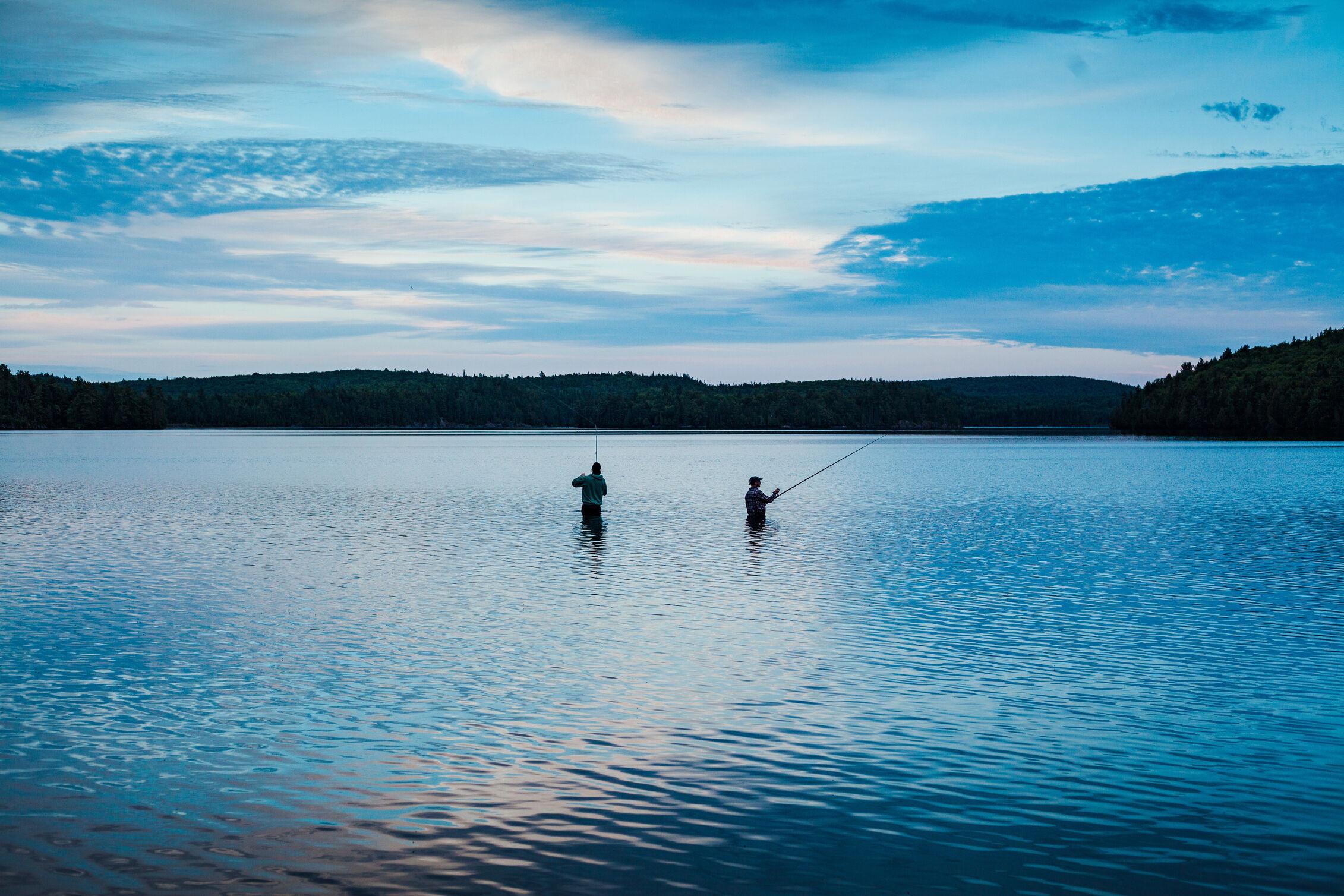
The Florida Keys are like nowhere else in America when it comes to life on the water. This island chain separates the Atlantic from the Gulf of Mexico, and that split creates a world of marine life you just don’t find anywhere else. If fishing here interests you, it’s not just about catching a few fish—it’s a deep dive into the rhythms of migration, the shifting seasons, and the crazy variety of habitats.
Geography: Where Two Worlds Meet
Let’s start with the geography. You’ve got two totally different bodies of water on either side. The Atlantic drops off fast into the Straits of Florida, which acts kind of like a superhighway for big migratory fish—think sailfish, tuna, even marlin. Flip over to the Gulf side and you’ll find shallow, protected water packed with nutrients. That means nurseries for all sorts of smaller creatures.
Diverse Fishing Opportunities
Because of all this, Florida Keys Fishing isn’t one-size-fits-all. What you fish for depends on where you are, the depth, the currents, and what’s under your boat. You’re never far from the Gulf Stream here, so you can start the day fishing shallow reefs and end up trolling in deep water without covering much distance.
Flats Fishing: The Classic Keys Experience
One of the classic Florida Keys experiences is flats fishing. The “flats” are vast, shallow stretches with clear water and seagrass beds—perfect for sight-fishing. Folks come from around the world to hunt bonefish, permit, and tarpon. It’s not easy; you need patience and a knack for reading the water. Tides shift things constantly, moving baitfish and bringing bigger fish in or out. The backcountry is calm but super sensitive—so every move has to be quiet and precise. Tools, skills, even your awareness of temperature swings—all matter, especially as the seasons change.
Reefs and Wrecks: Hotspots for Big Catches
Once you leave the flats, you hit the reefs and shipwrecks. These spots are wild with life. Reefs and wrecks both create pockets of protection for smaller fish, which then attract heavier predators like snapper and grouper. Fishing these areas means going after bottom-dwelling species, and you really need to know when they’re moving. Snappers, for example, follow seasonal patterns, and the moon can affect their feeding. Wreck fishing brings its own challenges—currents, structure, and the dense crowds of big predators that hang around these underwater hangouts.
Seasonal Patterns and Fish Migration
Seasonal patterns keep things interesting. The Keys stay warm, but fish have their own schedules. Sailfish show up in winter, riding those cooler Gulf Stream currents. Once spring and summer hit, tarpon move in, threading through channels or hugging the beaches. You’ve got to pay attention to water temp, too—sometimes a cold snap will push fish into deeper channels or closer to the Gulf, while hurricanes and storms can muddy the water and force everything to shift.
Conservation and Responsible Fishing
None of this works without conservation. The Keys have America’s only living coral barrier reef, so regulations are strict. There are size limits, seasonal closures, catch caps—they’re all meant to keep the ecosystem healthy and stable. Fish responsibly, follow local rules, use gear that doesn’t tear up the bottom, and release certain species the right way.
Conclusion: Respecting a Living Marine Ecosystem
All told, fishing in the Florida Keys is about respecting one of the planet’s most vibrant marine environments. Whether you’re sneaking around quiet flats or riding the swift Gulf Stream currents, you’re part of a living landscape—always changing, always teaching you something new.

 English
 Arabic
 French
 Spanish
 Portuguese
 Deutsch
 Turkish
 Dutch
Dutch
 Italiano
 Russian
 Portuguese (Brazil)
 Greek
Greek