


The Future of Movement: An Introduction to Mobility as a Service
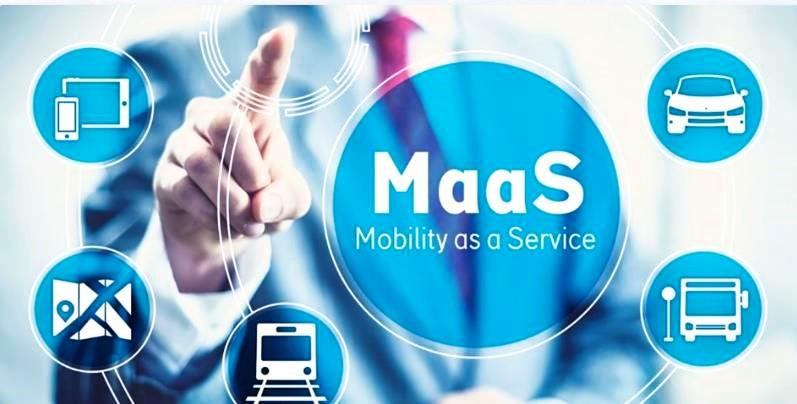
The way we travel through our cities is on the verge of a profound and fundamental transformation. For over a century, urban transportation has been dominated by the private car and fragmented public transit systems. A new, integrated, and user-centric vision is now emerging, known as Mobility as a Service (MaaS). MaaS is a digital platform that integrates various forms of transport services into a single, on-demand mobility service, accessible through a single application and a single payment account. Instead of owning a car or buying separate tickets for the bus, train, and a ride-hailing service, a user can use a MaaS app to plan, book, and pay for their entire journey, seamlessly combining different modes of transport. This shift from personally owned modes of transport to mobility consumed as a service promises to create a more efficient, sustainable, and convenient urban transportation system.
At its core, the concept of MaaS is about shifting the focus from the mode of transport to the journey of the user. The goal is to provide a seamless, door-to-door travel experience. This is made possible by a MaaS platform, which acts as a digital intermediary or "aggregator." This platform integrates the real-time data and booking capabilities from a wide range of different mobility providers via their APIs (Application Programming Interfaces). This includes public transportation (buses, trains, trams), ride-hailing services (like Uber and Lyft), taxi services, car-sharing and bike-sharing schemes, and even micro-mobility options like e-scooters. The user simply enters their destination into the MaaS app, and the platform's powerful routing engine presents them with a variety of multi-modal journey options, ranked by criteria like speed, cost, or environmental impact.
The business model for MaaS is typically centered around a subscription or a pay-as-you-go system. In a subscription model, a user might pay a flat monthly fee that gives them a certain amount of travel across all the integrated modes of transport, similar to a mobile phone plan. For example, a "City Commuter" package might include unlimited public transit rides, a certain number of ride-hailing trips, and a number of hours of bike-sharing per month. This provides users with predictable transportation costs and encourages the use of a more diverse and sustainable mix of transport options. In a pay-as-you-go model, the user simply pays for each individual journey through the app, but still benefits from the convenience of a single payment and booking system. This bundling and simplification of payment is a key part of the MaaS value proposition.
The ultimate vision for Mobility as a Service is a future where the need for private car ownership in cities is significantly reduced or even eliminated. By providing a convenient, cost-effective, and comprehensive alternative that is superior to owning a car, MaaS can help to solve many of the biggest problems facing modern cities: traffic congestion, air pollution, and the vast amount of valuable urban land that is dedicated to parking. It promises to create a more equitable transportation system, providing better mobility options for those who cannot afford or are unable to drive a car. As this vision begins to take shape, MaaS is poised to become the central operating system for the future of urban mobility, creating smarter, cleaner, and more livable cities.
Other Exclusive Reports:

 English
 Arabic
 French
 Spanish
 Portuguese
 Deutsch
 Dutch
Dutch
 Italiano
 Russian
 Romaian
 Portuguese (Brazil)
 Greek
Greek